
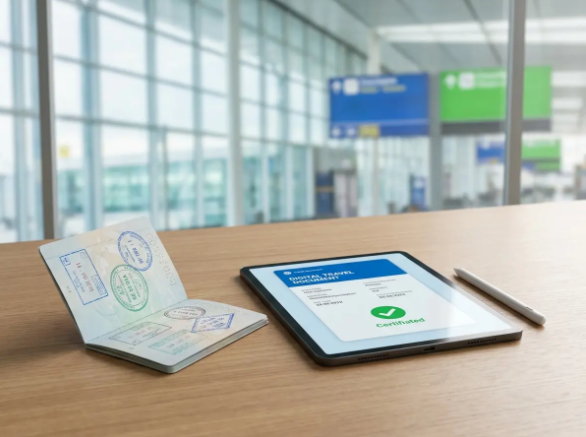
Planning an international trip requires more than booking flights; you must also meticulously research the specific travel visa requirements for your destination. A simple paperwork oversight regarding passport validity can ruin an expensive vacation and leave you stranded at the departure gate before your journey even begins. Let us break down everything you need to know about securing the right international travel documents for your next global adventure.
Many travelers confuse passports with visas, but these documents serve completely different functions in the realm of international travel. Your US passport proves your citizenship and allows you to re-enter the country after a trip, while a visa grants specific entry regulations compliance. Think of your passport as your ID card, while the visa serves as your official travel authorization for entry into a foreign nation.
Travel visa requirements vary wildly depending on your destination and the nature of your visit, ranging from simple forms to complex background checks. Some countries welcome US citizens with open arms and require zero advance paperwork for short-term tourist stays due to visa-free travel agreements. You must identify these rules early in your trip-planning process to avoid costly delays and potential entry denials at the border.
As a US citizen, your passport holds significant power globally, yet it does not guarantee visa-free travel to every nation you might wish to visit. According to the Henley Passport Index, Americans enjoy access to over 180 destinations worldwide without needing a prior permit. However, popular destinations like China, India, and Vietnam still enforce strict travel visa requirements that require a formal tourist visa application well in advance.
- Visas grant permission from a foreign government to enter their territory.
- Passport power does not eliminate the need to check entry rules.
- Different destinations have drastically different application processes.
Consulate Guidelines: How to Check Your Destination’s Rules and Travel Visa Requirements

Finding accurate information about international entry rules requires consulting official government sources rather than relying solely on third-party blogs. Third-party travel blogs often contain outdated information that could jeopardize your travel plans and entry eligibility for your chosen destination. Always verify the current rules through official diplomatic channels or the local consulate before paying any non-refundable trip costs.
The US Department of State maintains a comprehensive database of entry regulations for every country, which is essential for your research. Their website provides up-to-date alerts regarding safety, health protocols, and necessary entry documents for American citizens traveling abroad. Furthermore, some itineraries may require a transit visa if you have a long layover in a country that does not offer visa-free travel for your nationality.
How to Verify Entry Rules
1. Visit the State Department Website
Search for your destination country on the official government travel portal to find baseline requirements.
2. Check Entry and Exit Rules
Locate the specific visa section detailing rules for US citizens and note any special conditions.
3 Consult the Destination Embassy
Visit the official foreign embassy website for exact application details, forms, and current processing times.
E-visa and On-Arrival Options: Navigating the Three Main Categories of Travel Visas
Modern technology has significantly changed how governments process entry applications and digital travel authorization requests for international visitors. You will generally encounter three primary methods for obtaining entry permission for international travel today. Understanding these categories helps you budget your time and money appropriately for the visa application process.
First, the traditional embassy visa requires the most effort and longest processing times for travelers. You must fill out extensive paperwork, mail your physical passport, and sometimes attend an interview to secure this tourist visa. Countries like China still utilize this traditional method for American tourists, so you should start this process at least two months before your departure date.
Second, electronic visas or e-visa systems have streamlined travel visa requirements for dozens of popular destinations. You submit your application, upload a digital photo, and pay the fee entirely online through a secure portal. The government emails you a printable approval document within a few days, which serves as your official entry permit.
Third, a visa on arrival allows you to complete the paperwork after landing at your destination airport. You wait in a specific line at the airport, pay a fee, and receive a stamp in your passport immediately. While convenient, these lines can take hours to clear after a long international flight, so research if an advance travel authorization is available.
Always check your passport expiration date before booking flights. Most countries require your passport to remain valid for at least six months beyond your planned date of departure.
Visa Fees and Financial Considerations and Processing Timelines for the Visa Application Process
Travel visa requirements often include visa fees that can significantly impact your vacation budget and overall travel expenses. These visa fees range from a nominal $20 processing charge to several hundred dollars for complex international travel documents. Always factor these fees into your initial trip budget to prevent financial surprises during your journey.
Processing timelines for the visa application process present another major hurdle for international travelers. While digital applications might process in 48 hours, traditional embassy applications can stall for weeks or months. You must research the current processing time before purchasing non-refundable airfare to ensure your entry permit arrives on time.
Many travelers turn to third-party expediting services to handle confusing travel visa requirements and urgent requests. These companies charge a premium to review your paperwork and hand-deliver it to the appropriate embassy for faster results. Read our complete guide on visa expediting services to decide if this option makes sense for your specific trip.
Passport Validity and Avoiding Common Application Mistakes for International Travel Documents
Did you know that a simple typo can cause an automatic rejection of your international travel documents? Even minor clerical errors can lead to a swift visa denial and ruin your travel plans instantly. Governments process thousands of applications daily and rarely offer second chances for simple mistakes made during the visa application process.
Photo requirements consistently cause major headaches for applicants seeking a tourist visa or official permit. Each country sets specific rules for photo dimensions, background colors, and facial expressions that must be followed. Always use a professional passport photo service to meet these strict visual guidelines and avoid unnecessary application delays or passport validity issues.
Finally, pay close attention to the financial proof required by many foreign governments for entry regulations compliance. Some nations want to see bank statements proving you can afford your stay without seeking local employment. While most people apply for a tourist visa, those planning to work remotely should investigate a digital nomad visa to ensure legal compliance.
Work Permit and Special Business Visa Rules for Business Travelers
Are you planning to attend a conference or meet with clients abroad in a professional capacity? Business visa requirements introduce an entirely different layer of travel visa requirements for international professionals. A standard tourist visa rarely permits you to conduct commercial activities, and you may actually require a specific work permit or business visa for certain professional engagements.
Governments heavily regulate business visitors to protect their domestic labor markets and ensure proper entry permit usage. You typically need an official letter of invitation from the company you plan to visit overseas to qualify for a professional stay. Your US employer must also provide documentation explaining the exact purpose and duration of your professional trip to the local consulate.
Processing times for commercial international travel documents often exceed those for standard leisure travel requests. Embassies perform thorough background checks on both the applicant and the sponsoring companies involved in the visit. You should coordinate closely with your corporate travel department to gather all necessary supporting evidence for your work permit or business visa.
- Budget for unexpected entry fees early in your trip planning process.
- Strict adherence to photo guidelines prevents the most common application rejections.
- Business travelers face heavier regulations and require extensive corporate documentation.
Travel Insurance and Health and Vaccination Documentation for Travel Visa Requirements
Modern travel visa requirements frequently intersect with international public health protocols and mandatory medical screenings. Many countries demand proof of specific vaccinations before they will process your entry permit application. The Yellow Fever vaccine remains a strict requirement for entering numerous nations in Africa and South America as part of their entry regulations.
Public health emergencies can drastically alter entry regulations with zero warning, affecting your travel authorization status. Governments may quickly implement new testing requirements or mandate specific travel insurance policies covering medical evacuations as part of their entry regulations. You must monitor official embassy updates right up until your departure date to ensure compliance with all health rules.
Check the Centers for Disease Control and Prevention (CDC) website for destination-specific health guidelines. They maintain detailed records of required medical precautions for US travelers seeking international travel documents. Schedule an appointment with a travel medicine specialist at least six weeks before your trip to secure the proper paperwork and travel insurance.
International Travel Documents: Securing Your Travel Documents and Entry Permits
Understanding travel visa requirements serves as the foundation for any successful international journey and stress-free arrival. While the paperwork might seem tedious, proper preparation prevents massive headaches at the airport and potential deportation. You hold the responsibility to research, apply for, and secure the correct entry permits and verify passport validity before your departure.
Take the time to consult official sources and start your visa application process as early as possible. A proactive approach gives you plenty of buffer room to handle unexpected delays or missing international travel documents. By managing these administrative tasks efficiently, you protect your travel investment and can focus on enjoying your upcoming vacation.