
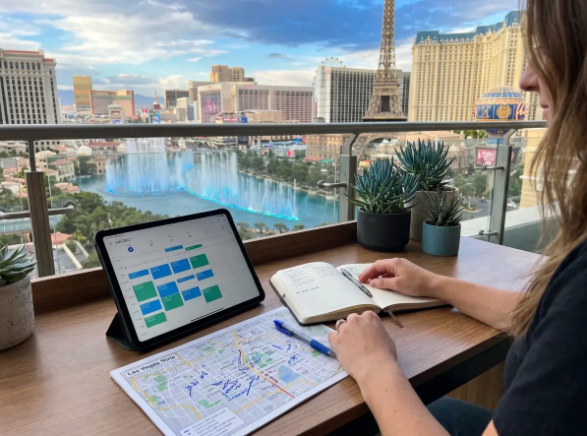
Planning comprehensive Vegas vacations requires a distinctive blend of high-energy entertainment, luxury Las Vegas resorts, and world-class dining. Travelers often view the city as a simple gambling destination, but the modern reality proves far more intricate. Over the past decade, the city has transformed its identity to attract a broader demographic of visitors.
You can now experience Michelin-starred restaurants, massive technological marvels, and serene desert environments all within a short radius. Planning a trip to this neon oasis requires strategic foresight to maximize your time and budget. We will explore the essential components of a successful trip to Nevada’s most famous city.
The concept of Vegas vacations has shifted dramatically since the early days of cheap buffets and smoky casino floors. Major hospitality brands have invested billions of dollars into building comprehensive entertainment resorts and luxury Las Vegas resorts. These massive properties now function as self-contained cities featuring luxury retail spaces, expansive theater venues, and sprawling pool complexes.
According to local tourism authorities, gambling accounts for less than half of the typical visitor’s overall travel budget. Tourists spend heavily on premium dining experiences, exclusive nightclub access, and high-production theatrical shows. This shift requires travelers to adjust their expectations and their financial planning before arriving in the city.
You must look past the slot machines to truly appreciate the modern iteration of the city. The introduction of immersive entertainment venues like the Sphere has completely redefined the standard for live performances. Visitors who prioritize diverse experiences consistently report higher satisfaction rates during their desert getaways.
Luxury Las Vegas Resorts: The Rise of the Integrated Mega-Resort
Modern hospitality companies design their properties to keep guests inside the building for as long as possible. A single resort might contain twenty restaurants, three performance theaters, a shopping mall, and a massive convention center. This level of integration provides incredible convenience for guests who prefer a centralized vacation experience.
You can spend an entire weekend exploring a single property without ever stepping outside into the desert heat. However, this convenience often comes with premium pricing for food, drinks, and basic daily amenities. Savvy travelers balance their time between their home resort and competing properties to find the best overall value.
- Non-gaming entertainment now dominates the typical tourist itinerary and budget.
- Modern resorts operate as fully integrated entertainment ecosystems with premium pricing.
- Visitors should allocate more of their vacation funds to dining and theatrical shows.
Vegas Vacation Packages: Budgeting for Your Trip to the Las Vegas Strip

Establishing a realistic budget stands as the most critical step in planning your ultimate desert getaway with Las Vegas vacation packages. Hotel rates fluctuate wildly based on convention schedules, major sporting events, and holiday weekends in Sin City. You might find a luxury suite for two hundred dollars on a Tuesday, only to see the same room price triple by Friday.
Check out our guide to seasonal travel planning for detailed insights on timing your vacation effectively. Food and beverage costs also surprise many first-time visitors, with average sit-down meals easily exceeding fifty dollars per person. You should factor in transportation costs, including airport transfers and rideshares between distant properties along the Las Vegas Strip.
Almost all major hotels charge mandatory daily resort fees ranging from thirty to fifty dollars. These charges are rarely included in the advertised nightly room rate and must be paid upon checkout.
Las Vegas Strip Accommodation Costs Versus Geographic Location
Choosing where to stay significantly impacts both your daily expenses and your overall vacation experience. Properties located centrally on the Las Vegas Strip command premium prices but offer unparalleled convenience for walking to major attractions. Budget-conscious travelers often find better value at off-Strip properties or those located in the revitalized Downtown district.
You must weigh the initial savings of a cheaper hotel against the added transportation costs of reaching prime venues. Will you spend enough time at the resort pool to justify paying a premium nightly rate? Analyze your planned activities to determine if a central location warrants the higher financial investment.
Many visitors fail to budget for the incidental expenses that accumulate rapidly during a typical stay. Bottled water, morning coffee, and quick snacks often cost three times more inside a casino than at a standard store. Purchasing basic supplies at a local pharmacy outside the resort corridor will protect your daily spending limit.
Things to Do in Las Vegas: How to Plan the Perfect Las Vegas Itinerary
Structuring your time efficiently prevents the common feeling of overwhelming fatigue that affects many modern tourists exploring things to do in Las Vegas. The sheer scale of the casino properties makes spontaneous venue-hopping impractical and physically exhausting for most visitors. A well-organized Las Vegas itinerary balances high-energy activities with necessary periods of rest and physical recovery during your stay.
You should approach your daily planning strategically, grouping activities by geographic location to minimize transit time. Walking from one end of the primary tourist corridor to the other can take over an hour, even without stopping. Let us review a systematic approach to building a balanced and highly enjoyable vacation schedule.
Planning Your Daily Schedule
1. Establish Your Primary Objectives
Decide if your trip will focus on culinary exploration, gaming, or live entertainment before booking anything.
2. Secure Advance Reservations
Book high-demand restaurants and popular theatrical shows at least two months before your arrival date.
3. Map Geographic Clusters
Group your daily activities by neighborhood to avoid excessive walking or expensive cab rides across town.
Things to Do in Las Vegas: World-Class Dining Off the Casino Floor
The city has quietly developed into one of the most prominent culinary destinations in the United States today, offering endless things to do in Las Vegas for foodies. Celebrity chefs from around the globe operate flagship restaurants within almost every major resort property. You can easily transition from a casual street food hall to an exclusive tasting menu within the same building.
According to the James Beard Foundation, the concentration of award-winning culinary talent in Nevada rivals that of New York or Chicago. Independent restaurateurs have also established thriving dining scenes in surrounding neighborhoods like Chinatown and the Arts District. Exploring these off-Strip locations provides a welcome break from the intense atmosphere of the main tourist corridor.
Many top-tier restaurants open their reservation systems exactly sixty days in advance. Set a calendar alert to secure tables at highly sought-after establishments the moment they become available.
We highly recommend allocating a specific portion of your daily budget exclusively for food and beverage experiences. Casual dining options have improved significantly, offering high-quality meals without the formal atmosphere of fine dining rooms. You will find that careful research yields excellent dining options across all price points.
Las Vegas Travel Guide: Understanding the Buffet Resurgence
The traditional all-you-can-eat buffet has undergone a massive transformation throughout the city in recent years. Properties have moved away from cheap, high-volume food production in favor of premium ingredients and global cuisine stations. You can now find buffets serving fresh seafood, prime rib, and authentic international dishes prepared to order.
These upgraded dining experiences command much higher prices, often exceeding eighty dollars per person for weekend dinner service. You must decide if the sheer variety of food justifies the premium cost compared to a traditional sit-down restaurant. Many visitors choose to schedule one high-end buffet experience as a marquee event rather than eating at them daily.
- Group daily activities geographically to reduce transit times and physical fatigue.
- Secure dining and entertainment reservations months in advance of your trip.
- Explore neighborhoods outside the main tourist corridor for authentic culinary experiences.