
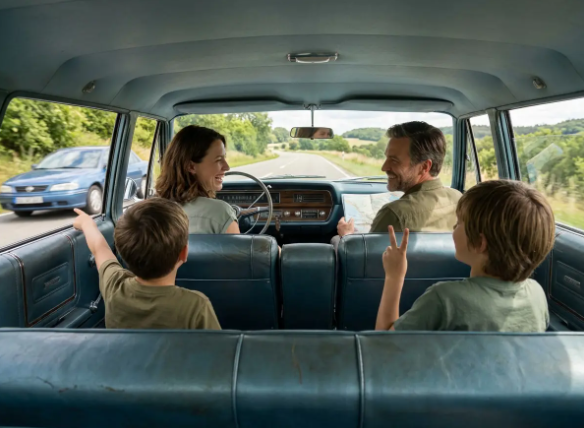
Families across the United States log billions of highway miles every summer, necessitating various car trip activities to keep everyone happy. Planning a successful road trip takes considerable time, immense patience, and highly realistic expectations from all passengers. Preparing your vehicle requires checking the tire pressure, changing the oil, and packing essential emergency roadside supplies.
However, you must also prepare a solid strategy to keep passengers engaged during those long stretches of highway. Selecting the right road trip activities prevents severe boredom and significantly reduces travel anxiety for everyone involved. A well-planned approach turns a tedious car ride into a highly memorable part of your overall vacation.
Frequent road trips teach you that highway monotony quickly leads to intense passenger fatigue and behavioral issues. You need a wide variety of entertainment options to maintain a peaceful cabin environment for the driver. Proper planning guarantees that everyone arrives at the final destination in good spirits and ready to explore.
Data from transportation authorities shows that distracted driving increases significantly when children act out in the vehicle. Keeping the kids entertained directly improves overall vehicle safety because the driver experiences far fewer disruptive interruptions. A memorable road trip starts with intentional preparation before you even pull out of your home driveway.
Every travel day starts with strategic preparation before you load the luggage and leave the family driveway. Experienced travelers segment their routes into manageable two-hour chunks to provide predictable rest stops for the driver. This strategic approach breaks down a long road trip into easily digestible segments for children and adults.
You can confidently assign a specific trip activity to each driving segment to maintain passenger engagement levels. This scheduling method keeps anticipation high and prevents passengers from burning through all their entertainment options immediately. A great road trip requires intentional pacing to avoid passenger fatigue during the final hours of driving.
You should plan your daily entertainment schedule just as carefully as you plan your necessary fuel stops. Anticipating the long road ahead helps you deploy the right games at the precise moment they help. For example, high-energy games work best immediately after a rest stop while quiet tasks fit later afternoons.
Many families fail because they hand over all the exciting toys at the exact moment of departure. You must maintain strict control of the entertainment inventory throughout the journey to preserve their novelty value. A family road trip builds positive memories when everyone participates in structured fun rather than chaotic boredom.
Pacing the activities guarantees you have fresh options available for the final, most difficult hours of driving. Your upcoming road trip can be incredibly fun with this disciplined approach to managing your cabin environment. The driver can focus on the highway traffic while the passengers remain happily engaged in their assigned tasks.
- Divide your driving route into two-hour segments to make the journey feel much more manageable.
- Assign specific games or tasks to each segment rather than giving out all toys at once.
- Match the energy level of the activity to the time of day and passenger fatigue levels.
Classic Car Trip Activities and Equipment-Free Games
Some of the most engaging travel games cost absolutely nothing and take up zero space in your vehicle. The traditional license plate game remains a staple for cross-country drives across the interstate highway system. Passengers scan passing cars to spot tags from all fifty states during their long highway journey.
This simple road trip game encourages observation skills and geographic awareness among younger and older passengers alike. You can easily modify the standard rules depending on passenger age and the surrounding highway traffic density. A fun road trip often relies heavily on these spontaneous moments of shared family interaction and laughter.
You do not need expensive electronic gadgets to create lasting travel memories with your family members. Another classic road trip game involves spotting sequential alphabet letters on passing commercial billboards and road signs. The fun road ahead provides plenty of raw material for these engaging visual and observation challenges.
These zero-cost options serve as excellent backup plans when tablet batteries die or screens lose their appeal. The classic road trip remains popular because it actively forces families to communicate and interact without distractions. A collaborative trip game where passengers build a story one sentence at a time builds strong vocabulary.
This type of kids’ road trip activity burns mental energy without creating any additional physical cabin clutter. The kids’ road experience improves significantly when parents actively participate in the fun and guide the conversation. Relying on verbal challenges helps pass the time gracefully while keeping everyone looking out the vehicle windows.
Observation and Verbal Challenges
A classic scavenger hunt works wonders when the outside scenery becomes monotonous during long stretches of driving. Print out lists of common highway sights before your departure to keep the kids focused and engaged. Finding grazing cows, specific road signs, or bright yellow cars keeps everyone actively looking out the windows.
Preparing for a road trip reduces stress when you have these printed observation lists ready to deploy. You can easily find free printable travel templates from various family travel websites and parenting blogs. A cross-country road trip tests patience, so keep these verbal games lighthearted and competitive but consistently friendly.
You might introduce a guessing game — an interactive challenge where one person thinks of an animal. Kids love the ridiculous questions that naturally result from these logic puzzles and deductive reasoning exercises. These verbal games keep the driver alert while providing endless free entertainment for the back seat passengers.
Creative Hands-On Car Trip Activities and Entertainment
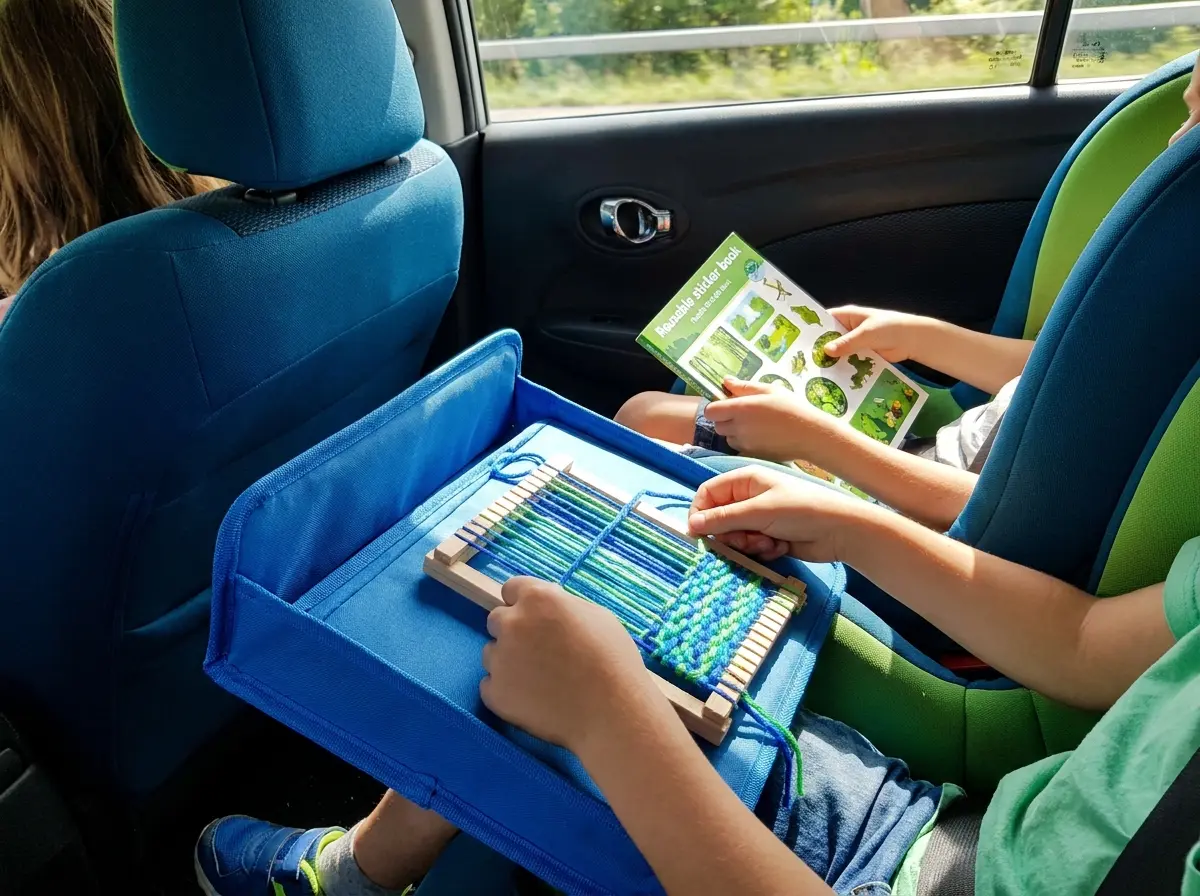
Tactile experiences provide essential mental stimulation during extended periods of sitting quietly in a moving vehicle. Packing standard coloring books and colored pencils offers a highly reliable creative outlet for passengers of all ages. Children can quietly focus on their artwork while the highway miles roll by outside their car windows.
A successful road trip demands variety, and physical art supplies deliver quiet focus during the afternoon hours. You completely avoid the problem of loose papers floating around by using spiral-bound sketchpads and dedicated notebooks. Child development studies confirm that drawing helps process the sensory input of a long travel day.
Avoid packing crayons for summer travel, as they can easily melt into the upholstery if dropped. Stick to colored pencils or washable markers to keep your vehicle interior completely clean and stain-free.
For a mess-free alternative, window clings let kids decorate the back windows without leaving any sticky residue. You might also pack a simple pipe cleaner assortment for 3D modeling and creative structural building. Bending and shaping pipe cleaners offers surprisingly durable entertainment for restless hands that need constant physical movement.
Incorporating hands-on activities prevents the physical stiffness and emotional boredom associated with extremely long car rides. These tactile choices make excellent trip ideas for passengers of varying ages and different personal artistic interests. A well-timed round of mad libs introduces humor and basic grammar practice simultaneously during a long afternoon.
This interactive format brings out hilarious combinations of words and phrases that get the whole car laughing. Surviving a road trip requires planning moments of shared laughter to break up the silence of driving. The ultimate road trip involves games that appeal equally to both young children and their adult parents.
Reusable Mess-Free Car Trip Activities and Options
Managing physical space inside a vehicle demands smart packing strategies and highly efficient entertainment choices. Reusable items provide maximum entertainment value with a minimal physical footprint inside your limited cabin space. A standard dry erase board allows for endless rounds of tic-tac-toe, hangman, or spontaneous freehand drawing.
When the board gets completely full, a quick wipe prepares it instantly for the next game round. This makes it a great road trip activity that generates absolutely zero trash in your back seat. You eliminate the frustration of managing crumpled papers and broken pencil tips during your long highway journey.
The modern travel market offers several brilliant solutions for mess-free painting that parents absolutely love using. The popular water wow books use a refillable water pen to reveal brightly colored hidden picture scenes. Specifically, the Melissa and Doug water wow series provides highly durable pages that dry quickly after use.
Parents truly appreciate the Doug water pens because they absolutely cannot stain expensive car upholstery or clothing. These reusable sticker books and water boards keep younger kids completely fascinated for long stretches of time. This modern approach to travel art represents a significant upgrade from messy traditional markers and loose paper.
You want to completely avoid permanent markers or messy liquid paints inside a moving family vehicle. Family road trips build character, but they certainly should not ruin your vehicle’s expensive interior fabric. Reusable options provide the perfect balance of childhood creativity and necessary adult cleanliness for the car cabin.
Managing Screen Time and Quiet Periods
Digital devices certainly have a valid place on a long trip across the country. However, relying entirely on glowing tablets often leads to cranky, overstimulated passengers later in the travel day. Establishing clear boundaries for screen usage prevents emotional meltdowns and encourages varied interests throughout the long drive.
You should schedule specific tech times and actively enforce mandatory quiet time during the afternoon slump. This balanced approach keeps young children from becoming visually overstimulated by flashing screens and loud video games. Let us review a systematic approach to effectively managing digital entertainment on the open highway.
How to Manage In-Car Screen Time
1. Set Clear Expectations Before Departure
Explain the daily schedule before the drive begins so everyone understands when tablets will be available.
2. Alternate Entertainment Types
Swap between an exciting road trip game and a relaxing downloaded movie to vary the sensory input.
3. Enforce Rest Periods
Require all screens to be turned off for at least one hour during the mid-afternoon driving stretch.
Mixing digital media with physical activity books provides a balanced sensory diet for developing young brains. Complex word searches work perfectly for older children needing a quiet, focused challenge during the afternoon hours. Pediatric guidelines suggest breaking up continuous screen viewing with audio-only alternatives to protect developing eyesight.
When energy levels dip, don’t forget to leverage family-friendly audiobooks or podcasts to calm the cabin. These audio options allow the driver to focus completely while providing passive entertainment for everyone else. A balanced approach prevents screen fatigue, encourages imagination, and promotes a much more peaceful cabin environment.
Structuring the Perfect Travel Activity Bag
Physical organization dictates the overall success of your highway entertainment strategy and your personal sanity. Each child should have their own accessible bag filled with their specific age-appropriate items and snacks. Storing a dedicated travel activity within easy reach prevents the driver from constantly turning around dangerously.
You should strategically rotate the available items to maintain a strong sense of novelty and surprise. An exciting new trip game introduced on day two feels much more engaging than an old one. Proper organization heavily reduces passenger frustration and keeps the primary focus on having fun together.
Consider including a simple card game for use during rest stop breaks or restaurant waiting times. Playing a quick hand stretches the legs, stimulates the mind, and effectively resets everyone’s mood. You can also pack dedicated road trip games like a magnetic bingo set for the back seat.
These self-contained trip games prevent lost pieces from ruining the fun and causing unnecessary cabin arguments. Collecting license plates on a printed map serves as an ongoing project throughout the entire journey. Thoughtful curation of these trip activities makes the highway miles feel significantly shorter for everyone involved.
Any road trip benefits from preparation and structured access to the right toys at the right time. Many road trips suffer from severe boredom simply because the best toys are buried in the trunk. Keep the essentials accessible in the main cabin for immediate deployment when the whining inevitably begins.
- Give each child their own dedicated activity bag to foster independence and reduce arguments.
- Rotate toys and games throughout the trip to maintain their novelty and entertainment value.
- Choose self-contained, magnetic games to prevent small pieces from getting lost under the car seats.
Conclusion: Final Thoughts on Car Trip Activities
Planning a variety of car trip activities ensures that your family vacation remains enjoyable from the very first mile. By balancing high-energy games with quiet creative tasks, you maintain a peaceful environment for both the driver and passengers. Safe travels and happy memories await those who take the time to prepare for the long road ahead.