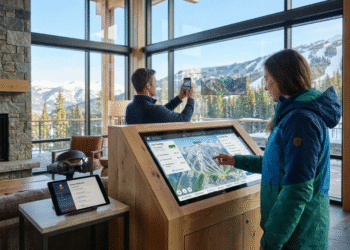


The global market for luxury hotels is currently experiencing a massive and rapid transformation across all major continents. High-net-worth travelers demand exceptional experiences that extend far beyond high thread-count sheets and standard marble bathrooms. Today, premium lodging focuses heavily on hyper-personalization, deep cultural immersion, and seamless technological convenience for every guest.
Analysts predict the luxury hotel market will reach approximately $115.8 billion by 2032, driven primarily by international tourism. You will notice that top-tier properties are aggressively adapting their operational models to meet these elevated expectations. This strategic shift ensures that high-end hospitality brands remain relevant in an increasingly sophisticated and globalized travel marketplace.
Historically, five-star resorts relied heavily on opulent decor and formal, rigid service protocols to impress their guests. That traditional approach is rapidly losing ground to a much more experiential and authentic style of hospitality. Modern travelers value genuine local connections over standard luxury amenities, forcing major brands to completely rethink their operational strategies.
According to comprehensive industry data from Grand View Research, the sector is expanding at a steady compound annual growth rate. This consistent growth indicates a robust consumer appetite for premium travel experiences across the United States and abroad. Operators must constantly innovate their offerings to capture their share of this rapidly expanding global revenue pool.
- Experiential travel has completely replaced traditional, rigid luxury hospitality models.
- Strong market growth indicates high consumer demand for premium travel experiences.
- Operators must innovate constantly to capture their share of the expanding revenue pool.
Five-Star Resorts: Essential Elements of Five-Star Accommodations
Defining what makes a property truly exceptional requires looking far past the standard star rating system entirely. Several core pillars support the operational foundation of modern luxury hospitality in today’s highly competitive travel market. You should carefully evaluate potential properties based on these specific operational criteria before booking your next trip.
Luxury Boutique Hotels and Architectural Significance in Interior Design
A premium property must offer a strong sense of place through its physical environment and architectural choices. Architects and interior designers collaborate closely to create stunning spaces in boutique hotels that reflect local culture. Natural light, premium building materials, and highly thoughtful room layouts contribute heavily to the overall guest experience.
World-Class Service and Exceptional Personalized Service
Service remains the primary differentiator in the fiercely competitive travel industry across the United States and global markets. Staff members anticipate your specific needs long before you even realize you have a problem or request. This highly intuitive approach to world-class service relies on careful observation and robust digital guest profiles.
Michelin-Starred Dining and Culinary Excellence
Food and beverage programs at high-end resorts frequently rival the absolute best standalone restaurants in major cities. Michelin-starred chefs regularly partner with premium hospitality groups to develop innovative and highly anticipated seasonal tasting menus. Guests expect diverse dining options that feature locally sourced ingredients alongside exceptional, curated international wine pairings.
Always book directly through the hotel’s official website or a certified travel advisor. Third-party booking platforms frequently limit your ability to receive complimentary room upgrades or flexible check-out times.
Sustainable Travel: Sustainability in the Luxury Travel and Premium Lodging Sector
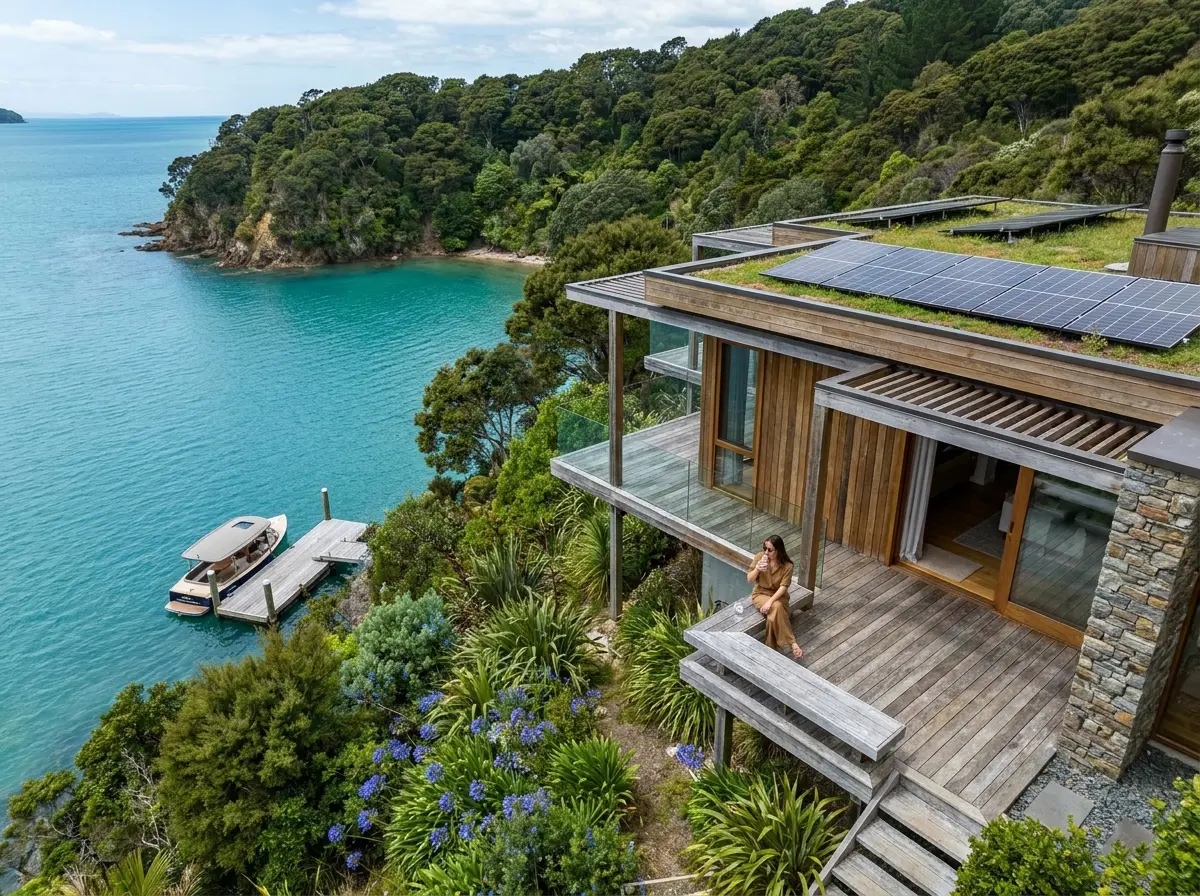
Environmental responsibility is now a strict requirement for upscale lodging rather than an optional corporate marketing tactic. Affluent consumers actively research the ecological impact of their travel choices before committing to a specific booking. You can easily find spectacular five-star properties operating entirely on renewable energy sources like solar and wind.
Many upscale properties utilize sophisticated water reclamation systems and completely eliminate single-use plastics from their daily operations. Highly respected certifications like LEED provide objective, third-party verification of a building’s true environmental performance and efficiency. Hotel operators understand that protecting local ecosystems directly preserves the natural beauty that attracts their wealthy guests.
Furthermore, social sustainability plays a massive role in modern hospitality operations across developing and developed nations alike. Top resorts invest heavily in their surrounding communities through educational programs and exceptionally fair local employment practices. This community-focused approach creates a positive economic impact while providing guests with much more authentic local interactions.
Upscale Accommodations: The Rise of Branded Residences
Hotel brands are increasingly expanding their portfolios to include permanent residential components attached to their flagship properties. These branded residences offer homeowners full access to hotel amenities while maintaining the privacy of a private home. The concept provides hospitality companies with immediate capital injection while building a highly loyal, built-in customer base.
Purchasers pay a significant premium for the peace of mind associated with upscale accommodations and trusted brands. Daily housekeeping, dedicated concierge services, and exclusive dining privileges make these properties highly attractive to affluent buyers. Real estate developers frequently partner with hotel operators because the brand association dramatically accelerates the initial sales process.
This residential expansion allows hotel operators to diversify their revenue streams beyond traditional nightly room rate models. Residents frequently utilize the hotel’s restaurants, spas, and event spaces, driving consistent supplemental income for the property. You will likely see this trend accelerate in major metropolitan areas and exclusive resort destinations alike.
Luxury Travel Guide: How to Select the Perfect Luxury Hotels
Choosing the right accommodation requires careful consideration of your specific travel goals and personal vacation preferences. The absolute most expensive option in a given destination will not automatically provide the best experience for you. You need a highly systematic approach to evaluate potential properties effectively before making a substantial financial commitment.
How to Evaluate and Book Your Stay
1. Define Your Primary Objective
Determine if your upcoming trip focuses on deep relaxation, active exploration, or professional business networking.
2. Research Verified Guest Experiences
Read comprehensive reviews on trusted platforms to verify the consistency of the property’s customer service.
3. Evaluate Location and Logistics
Analyze the hotel’s physical proximity to major airports, top-rated restaurants, and your planned daily activities.
Five-Star Properties: Technology Integration in Five-Star Properties
Innovation drives incredible operational efficiency behind the scenes while simultaneously enhancing the guest experience on the property. Smart room controls allow you to seamlessly adjust lighting, temperature, and entertainment systems from a single digital interface. Proprietary mobile applications facilitate rapid check-in processes and instant, secure communication with the dedicated concierge services desk.
Artificial intelligence helps hotel management predict staffing needs and optimize energy consumption across massive, sprawling resort complexes. A comprehensive report from Hospitality Net highlights how predictive analytics dramatically improve inventory management for food departments. These crucial technological advancements reduce expensive waste while simultaneously improving the overall speed and accuracy of service.
Despite these impressive digital upgrades, successful operators carefully balance automation with genuine, warm human interaction. Modern technology handles routine financial transactions so staff members can focus entirely on building meaningful relationships with guests. The ultimate operational goal is friction-free travel that still feels incredibly warm, welcoming, and personally engaging.
- Smart room controls and AI dramatically improve both guest experience and operational efficiency.
- Successful properties balance technological automation with warm, genuine human interaction.
- Medical wellness tourism represents a massive growth opportunity for high-end resorts.
Wellness Retreats: The Impact of Wellness and Health Tourism
The fascinating convergence of advanced medical science and traditional spa treatments has created a booming wellness tourism sector. High-end resorts now offer comprehensive diagnostic testing, expert nutritional counseling, and highly specialized, personalized daily fitness programs. You can easily book premium wellness retreats specifically focused on sleep optimization, mental clarity, or chronic stress management.
These impressive facilities feature clinical-grade medical equipment alongside traditional steam rooms and beautiful outdoor massage pavilions. Professional medical practitioners guide guests through rigorous health protocols designed to yield highly measurable physical and mental improvements. A standard deep tissue massage is simply no longer sufficient for premium properties catering to health-conscious travelers.
This intense focus on physical longevity and vitality attracts a highly motivated demographic willing to spend significantly. Properties that successfully integrate advanced medical wellness into their standard offerings consistently see much higher return guest rates. Operators will continue expanding these facilities to capture the growing demand for preventative health and wellness vacations.
Luxury Suites and Loyalty Programs in the High-End Sector
Premium hotel brands recognize that retaining a high-net-worth customer is far more profitable than acquiring a new one. Traditional points-based loyalty programs are slowly giving way to highly experiential rewards that offer genuine exclusivity. Guests want access to sold-out events, private airport transfers, and guaranteed upgrades to luxury suites rather than basic discounts.
These programs frequently require significant annual spending thresholds to maintain elite status tiers and their associated benefits. In return, loyal members receive highly personalized attention, dedicated reservation lines, and flexible check-in times. The very best programs make their members feel like valued VIPs across the entire global property portfolio.
You should consolidate your luxury travel spending with one or two major brands to maximize these valuable benefits. Achieving top-tier status can dramatically improve your travel experience by completely eliminating common friction points during your journey. Read our detailed guide on maximizing hotel loyalty programs to learn strategies for earning status quickly.
Luxury Hospitality: Conclusion and Future Outlook
The global premium hospitality industry will undoubtedly continue adapting to rapidly shifting consumer priorities over the next decade. Operators must perfectly balance advanced technological innovation with authentic human connection to remain competitive in this space. Environmental sustainability and comprehensive medical wellness will heavily dominate the development pipeline for all upcoming new construction projects.
Travelers will clearly benefit from increased competition as major brands elevate their standards to capture valuable market share. You can confidently expect more hyper-personalized travel experiences and much deeper, authentic integrations with local destination communities. The established standard for true five-star service will undoubtedly climb higher as spectacular new properties open their doors.