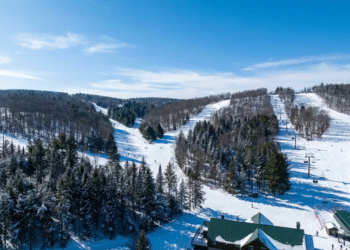


Ski resorts represent a massive, highly profitable segment of the broader American outdoor recreation economy, drawing millions of visitors to high-altitude destinations annually. Millions of dedicated winter sports enthusiasts flock to the mountains each year chasing perfect powder and immaculately groomed trails across diverse mountain terrain. Analyzing the daily operations behind these massive alpine destinations reveals an intricate business model driven heavily by technology, hospitality, and real estate. The modern ski vacation has evolved into a sophisticated luxury experience that balances rugged outdoor adventure with high-end amenities and seamless digital integration.
The global market for winter sports has expanded significantly, with emerging markets in Asia complementing established strongholds in the Alps and Rockies. This international growth has fostered a competitive environment where mountain resorts must constantly innovate to capture the attention of affluent travelers. Consequently, the industry has seen a surge in cross-continental partnerships and marketing alliances that benefit the global traveler seeking diverse experiences. These strategic collaborations allow skiers to explore multiple countries under a single pass system, further unifying the international skiing community.
The modern winter vacation experience looks drastically different today than it did just two short decades ago for most families. Skiers and snowboarders now regularly interact with highly optimized corporate entities rather than small, independently owned family operations in many regions. Understanding exactly how these modern facilities operate provides valuable context and financial advantages for your next winter getaway to the peaks. This transition toward corporate efficiency has standardized the guest experience while simultaneously driving significant infrastructure investments across the most popular mountain resorts in North America.
As the industry continues to consolidate, the focus on guest satisfaction and year-round profitability has become the primary objective for resort managers. These destinations are no longer just winter playgrounds; they are multi-season hubs for outdoor recreation, including mountain biking, hiking, and alpine festivals. By diversifying their offerings, resorts can maintain a steady workforce and generate consistent revenue regardless of the specific snowfall totals in a given year. This strategic shift ensures the long-term viability of the winter sports industry in an increasingly volatile global climate.
The North American ski industry experienced massive structural shifts over the course of the past two decades, moving toward a centralized model. Independent operators once dominated the market entirely, running single-mountain facilities with highly localized and specific regional appeal for nearby communities. Today, massive corporate entities completely control the most popular and profitable destinations across the United States, from Vermont to California. This shift has led to the creation of some of the best ski resorts in the world, featuring world-class infrastructure and amenities.
The transition from simple “ski areas” to comprehensive “lifestyle destinations” has redefined the expectations of the modern traveler. Visitors now seek more than just downhill access; they demand holistic experiences that include wellness centers, high-end retail, and cultural events. This evolution has forced many smaller mountains to either specialize in niche markets or seek acquisition by larger conglomerates to survive. Consequently, the landscape of the industry has become more polished and professional, catering to a global audience of winter sports enthusiasts.
This aggressive corporate consolidation fundamentally changed exactly how consumers purchase access to the mountains every winter for their family ski trips. You can trace this massive shift back to the early 2000s when resort operators realized weather dependency created unsustainable financial volatility. By acquiring properties across different geographic regions, corporations effectively hedged their financial bets against poor snowfall in any single location. This geographic diversity allows companies to remain profitable even if one region suffers from a historically dry winter season.
Furthermore, the evolution of these resorts has led to a significant increase in the quality of on-mountain dining and luxury accommodations. Travelers now expect high-speed internet, gourmet food options, and heated chairlifts as standard features at top-tier mountain resorts. This elevation of the guest experience has helped attract a more diverse demographic of travelers who value comfort as much as adventure. Consequently, the competition between major resort clusters has driven a continuous cycle of multi-million dollar upgrades to lift systems and base area facilities.
Consolidation and the Mega-Pass Era
Vail Resorts and Alterra Mountain Company currently define and dominate the modern North American ski market with their expansive portfolios. These two massive corporations introduced multi-resort season passes that completely disrupted traditional daily lift ticket sales and consumer behavior. The popular Epic Pass and Ikon Pass give skiers access to dozens of mountains for a flat upfront fee, encouraging more frequent travel. This model has made a ski vacation more accessible for frequent skiers while increasing the cost for occasional visitors.
Data from the National Ski Areas Association indicates that season passes now account for the vast majority of skier visits nationwide. This reliable subscription-style model guarantees revenue for resorts long before the first major snowstorm actually arrives in the high country. Guests ultimately benefit from significantly lower per-day skiing costs if they visit the mountains frequently throughout the entire season. However, this has also led to increased weekend crowding at many of the most popular destinations included on these passes.
- Corporate consolidation fundamentally shifted the ski industry to a highly profitable subscription-based business model.
- Multi-resort season passes successfully hedge against regional weather volatility by offering massive geographic diversity.
- Upfront season pass sales provide major resort operators with guaranteed financial revenue before winter begins.
Ski Vacation Budgeting: Decoding the Economics of Winter Destinations and Ski Vacation Costs
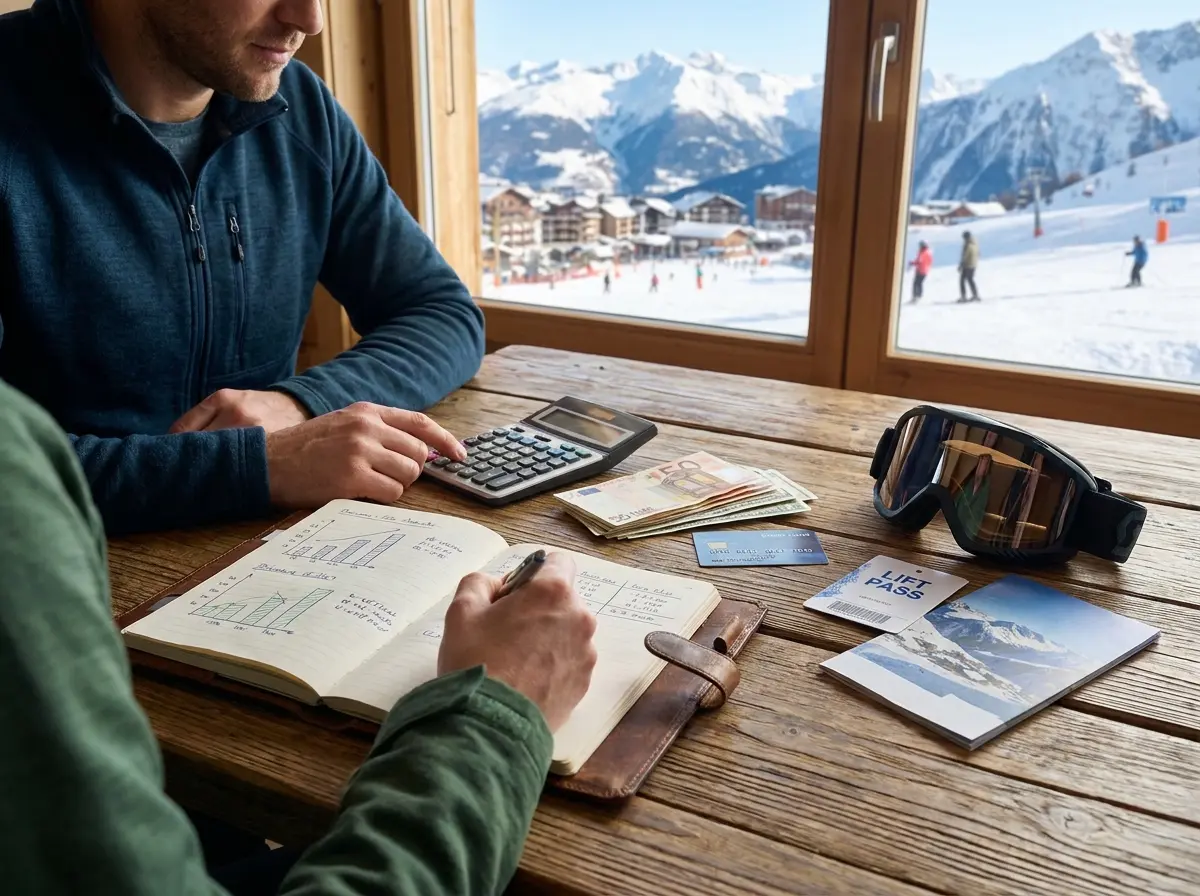
Operating a massive mountain resort requires staggering capital investment before the first snowflake even hits the ground each autumn. Routine lift maintenance, comprehensive liability insurance, and extensive seasonal staffing requirements create massive operational overhead costs for owners. Resort operators must therefore generate significant revenue during a relatively short and highly unpredictable winter operating window to remain solvent. This financial pressure has led to the diversification of revenue streams, including summer activities and year-round real estate development.
Dynamic pricing models, similar to those used by airlines and hotels, have now become the standard for purchasing daily lift tickets at most major ski destinations. By adjusting prices based on real-time demand, weather forecasts, and historical data, resorts can optimize their revenue while managing mountain capacity more effectively. This shift requires savvy travelers to book their ski trip well in advance to avoid the steep price hikes associated with walk-up window rates. Understanding these pricing fluctuations is essential for families looking to maximize their vacation budget during the peak ski season.
A single high-speed detachable chairlift can cost upwards of eight million dollars to purchase and install in difficult terrain. Grooming machines require constant mechanical maintenance and frequent replacement to keep the mountain trails perfectly smooth for downhill skiing. These immense operational costs force management teams to aggressively maximize their profits during peak holiday vacation periods and weekends. Without these high-margin periods, many resorts would struggle to fund the necessary safety and infrastructure improvements required by modern standards.
The labor market also presents a significant challenge for mountain resorts, as they must recruit and house thousands of seasonal employees. Providing affordable employee housing in expensive mountain towns has become a primary focus for major resort operators in recent years. This investment in human capital is essential for maintaining the high level of service that guests expect during their winter sports vacation. From ski instructors to lift operators, the quality of the staff directly impacts the overall guest experience and resort reputation.
Revenue Streams Beyond the Lift Ticket
Daily lift tickets no longer serve as the primary profit driver for most major commercial ski resorts in the current market. Hospitality operations, food and beverage sales, and equipment rentals currently generate a massive portion of overall annual revenue. According to industry analysis by Ski Area Management, equipment rentals and retail operations generate massive profit margins for mountain destinations. These ancillary services allow resorts to capture a larger share of the total travel budget from each visiting family.
Visitors frequently spend significantly more money on lodging and dining than they do on actual mountain access during their stay. Many major properties operate essentially as massive real estate companies that simply happen to offer skiing as a primary amenity. Ski schools also provide highly lucrative profit margins while keeping guests safely engaged on the mountain all day with professional instruction. The “après-ski” culture, featuring high-end bars and entertainment, further bolsters the bottom line by extending the guest’s spending into the evening hours.
Always purchase your season passes during the early spring months for the absolute lowest possible rates for the following year. Prices typically increase significantly by Labor Day, and resorts usually halt sales entirely by early December to manage mountain capacity.
Mountain Resorts Innovation: Modern Technology Enhancing the Guest Experience at Top Mountain Resorts
Ski resorts rapidly adopted highly advanced new technologies to streamline daily operations and immediately improve guest satisfaction across the mountain. Traditional paper lift tickets attached with annoying wire wickets have completely vanished from most major mountain destinations in favor of digital solutions. Radio Frequency Identification (RFID) gates now automatically scan embedded passes straight through heavy winter jackets and specialized snow pants as guests approach the lift.
Beyond the guest-facing apps, the backend technology used for mountain operations has seen a revolution in efficiency and precision. Modern grooming fleets are now equipped with sophisticated GPS and sonar systems that measure snow depth down to the centimeter, allowing operators to move snow exactly where it is needed most. This precision grooming ensures that even during lean snow years, the best ski resorts can maintain high-quality trail conditions for their guests throughout the entire ski season. These advancements significantly reduce the environmental footprint of grooming by optimizing fuel consumption and machine hours.
This impressive scanning technology eliminates the need for manual ticket checkers and drastically reduces frustrating lift line wait times during peak hours. Guests can load chairlifts much faster, keeping the congested base area moving efficiently during incredibly busy weekend mornings and holidays. The constant RFID scanning provides resort operators with incredible amounts of highly valuable consumer behavioral data to optimize mountain flow. This data helps management decide where to invest in new lifts or where to expand trail networks to alleviate congestion.
In addition to lift access, mobile technology has transformed how skiers navigate the mountain and interact with resort services. Most major resorts now offer dedicated apps that provide real-time weather updates, trail status, and even friend-tracking features via GPS. These digital tools allow guests to maximize their time on the snow and find the best conditions based on current mountain data. Furthermore, mobile ordering for on-mountain dining has significantly reduced wait times at popular lodges, allowing for more time on the slopes.
Data Collection and Crowd Management
Management teams track exactly which specific lifts guests ride and exactly how long they wait in line using sophisticated software. This precise tracking information allows resorts to deploy staff dynamically and manage crowd flow across thousands of acres of mountain terrain. Mobile applications connect directly to this data, providing skiers with highly accurate real-time wait times and GPS tracking for safety. By understanding movement patterns, resorts can better plan their grooming schedules and snowmaking priorities to ensure the best possible skiing conditions.
Ski Trip Planning: Planning Your Trip: How to Choose the Right Ski Resort for Your Needs
Selecting a specific mountain destination requires careful consideration of your group’s overall athletic abilities and financial budget for the winter. Are you traveling with young children who need gentle slopes and highly accessible beginner ski instruction programs for their first time? You should carefully analyze several critical logistical factors before officially booking your expensive winter vacation package to ensure a successful trip. Choosing between a large corporate resort and a smaller independent mountain can drastically change the vibe and cost of your experience.
Savvy travelers often look for “shoulder season” opportunities in early December or late April to find the best value on lodging and lift access. During these periods, the crowds are significantly thinner, and many luxury ski resorts offer deep discounts to maintain occupancy. While the weather can be more variable, the lower costs and lack of lift lines often make up for the potential for limited terrain. Planning your ski trip during these off-peak windows can save a family thousands of dollars while still providing a high-quality mountain experience.
How to Select Your Ideal Mountain Destination
Evaluate Mountain Terrain and Skier Abilities
Assess the official ratio of green, blue, and black diamond trails across the entire mountain map to ensure variety. Make absolutely certain the mountain offers adequate progression terrain for beginners to practice safely before advancing to steeper slopes.
Compare Regional Lodging and Accommodation Options
Determine if you actually need ski-in ski-out access or if a short shuttle ride works for your family’s daily schedule. Slopeside accommodations command massive premium prices, while staying just a few miles away in town often saves thousands of dollars.
Analyze Hidden Transportation and Travel Costs
Factor in expensive flights, winter rental cars, and mandatory airport transfers to remote mountain towns during your planning. Some famous resorts sit hours away from major airports, requiring expensive private shuttle services or potentially dangerous winter driving.
Ski Season Sustainability: Climate Action, Sustainable Snowmaking, and the Future of the Ski Season
Significantly warmer winters currently present an existential financial threat to the entire global commercial ski industry and mountain communities. Mountain operators face increasingly unpredictable weather patterns that constantly delay opening days and frequently force early mountain closures in the spring. To combat this harsh environmental reality, major resorts invest heavily in highly advanced artificial snowmaking infrastructure to guarantee a consistent ski season. This technology allows resorts to build a durable base of snow that can withstand temporary thaws and rain events.
Innovative “snow farming” techniques are also being adopted by forward-thinking resorts to preserve the previous year’s snow for the following season. By covering large piles of snow with specialized insulating blankets during the summer, operators can jumpstart their opening dates regardless of early-season temperatures. This practice, common in Europe, is gaining traction at top mountain resorts in North America as a way to mitigate the risks of a late-starting winter. Such proactive measures are becoming essential for maintaining the economic stability of mountain towns that rely on winter tourism.
Creating artificial snow requires millions of gallons of water and massive amounts of expensive electrical power to operate the pumps. Operators pump water from local reservoirs through miles of high-pressure underground pipes directly up the steep mountain slopes to the guns. Modern snow guns operate with incredible electrical efficiency compared to the older models used just ten years ago, saving significant costs. These systems are now often fully automated, allowing for rapid response when temperatures drop into the ideal range for production.
The environmental impact of these operations is a growing concern for both resorts and conservation groups alike. Many resorts are now implementing water recovery systems that capture snowmelt in the spring to refill reservoirs for the following winter. This circular approach helps mitigate the impact on local watersheds and ensures a more sustainable supply of water for snowmaking. Additionally, the transition to high-efficiency fan guns has reduced the overall energy consumption required to cover the mountain in high-quality snow.
Innovative Technologies on the Mountain
Automated computer systems constantly monitor temperature and humidity, activating only when conditions allow for optimal snow production and quality. Some forward-thinking facilities now power their entire snowmaking operations using completely renewable and highly sustainable energy sources like wind or solar. According to a report by Protect Our Winters, the winter sports industry loses billions in revenue during low-snow years, highlighting the urgency of climate action. Resorts are also experimenting with “snow harvesting” and storage techniques to preserve snow from one season to the next.
Many resorts now offer “snow guarantees” that allow you to credit your lift ticket toward a future date if a certain percentage of the mountain terrain is not open due to weather conditions. Always check the specific policy for your destination before purchasing non-refundable tickets.
Winter Sports Industry Trends: Independent Mountains vs. Corporate Giants in the Winter Sports Industry
While the mega-pass model dominated by corporate giants offers convenience, a growing movement of independent mountains provides a different kind of value. These smaller, often family-owned ski resorts prioritize local charm, shorter lift lines, and a more authentic alpine atmosphere for visitors. For many purists, the “soul” of skiing is found at these independent hills where the focus remains on the sport rather than real estate development. These mountains often serve as the training grounds for the next generation of skiers and snowboarders.
The rise of the “Indy Pass” has provided a successful counter-strategy for these smaller operators to compete with the corporate giants. By banding together, dozens of independent resorts offer a combined pass that provides access to a wide variety of unique mountain experiences. This collaboration allows smaller mountains to reach a broader audience while maintaining their individual identity and lower price points. For travelers, this offers a more affordable way to explore multiple regions without the high cost of a traditional mega-pass.
A new trend in the industry is the emergence of “ski cooperatives,” where the mountain is owned and operated by its members rather than a corporation. This model ensures that the interests of the local skiing community are prioritized over corporate profits and real estate expansion. These cooperative mountains often maintain a rugged, no-frills atmosphere that appeals to those seeking a more traditional and community-focused winter sports experience. By choosing these destinations, skiers can directly support the preservation of independent mountain culture and local economic resilience.
Independent resorts also tend to be more deeply integrated into their local communities, often sourcing food and services from nearby businesses. This creates a symbiotic relationship that supports the local economy and provides a more genuine cultural experience for guests. While they may lack the high-speed six-person chairs of the major resorts, they offer a sense of community and history that is often lost in corporate environments. Choosing an independent mountain can be a rewarding way to support the diversity of the winter sports landscape.
Alpine Skiing Safety: The Logistics of Mountain Safety, Patrol Operations, and Alpine Skiing Security
Ensuring the safety of thousands of guests on a vast, rugged mountain is a monumental logistical challenge for resort management. Ski patrol teams, often comprised of both professional and highly trained volunteer members, are the backbone of mountain safety operations. These individuals are responsible for everything from avalanche mitigation and trail marking to providing emergency medical services on the slopes. Their work begins long before the first lift spins, as they conduct early-morning safety checks and “bombing” runs to trigger controlled avalanches.
The National Ski Patrol sets the standards for training and education within the industry, ensuring a high level of care for injured guests. Modern patrol teams use advanced technology, including GPS-enabled rescue sleds and sophisticated communication systems, to coordinate responses in difficult terrain. In addition to physical rescues, patrollers play a crucial role in guest education, enforcing the “Skier’s Responsibility Code” to prevent accidents. This proactive approach to safety is essential for maintaining a secure environment for all levels of skiers and snowboarders.
Technological advancements like RECCO reflectors and avalanche transceivers have become standard safety equipment for those exploring off-piste or backcountry terrain. Many top mountain resorts now integrate these search-and-rescue technologies into their daily operations to ensure rapid location of missing or buried individuals. This layer of security provides peace of mind for adventurous skiers while allowing patrol teams to operate more efficiently in high-risk scenarios. Education programs focused on mountain safety and equipment usage are increasingly offered to guests to foster a culture of preparedness.
Beyond the patrol, resorts invest heavily in signage, fencing, and padding for lift towers to minimize the risk of injury on the mountain. Trail maps are carefully designed to guide guests toward terrain that matches their ability level, reducing the likelihood of beginners ending up on expert slopes. During periods of high wind or heavy snow, mountain operations teams must make difficult decisions to close certain lifts or areas to ensure guest safety. This constant vigilance is a primary operational cost that is often invisible to the average visitor but critical for the resort’s success.
Luxury Ski Resorts Development: The Future of Alpine Real Estate and Luxury Ski Resorts
The future of the ski industry is increasingly tied to the development of high-end alpine real estate and luxury accommodations. Many major resorts are transforming their base areas into “mountain villages” that feature luxury condos, designer boutiques, and world-class spas. This shift toward a more comprehensive lifestyle experience attracts affluent travelers who may only spend a few hours on the snow each day. For these guests, the quality of the lodging and the après-ski scene is just as important as the mountain terrain itself.
Year-round amenities such as championship golf courses, extensive mountain biking networks, and high-altitude conference centers are now standard in new luxury developments. These features ensure that the property remains attractive and profitable during the summer months, providing a hedge against the seasonality of the ski industry. By creating a 365-day destination, developers can justify the high costs of infrastructure and provide a more stable economic base for the community. This holistic approach to resort design is setting a new standard for luxury living in the mountains.
This trend has led to a surge in property values in mountain towns, creating both opportunities and challenges for local residents. While real estate development provides a significant boost to the local tax base, it can also lead to a shortage of affordable housing for the resort workforce. To address this, many developers are now required to include employee housing units as part of their new luxury projects. This balance is crucial for maintaining the long-term health and vibrancy of the mountain communities that support the resorts.
Looking ahead, we can expect to see even more integration between technology and luxury real estate in the mountains. Smart homes with remote-controlled heating and automated snow removal are becoming standard in new high-end developments near the slopes. Additionally, the demand for “ski-in ski-out” access continues to drive premium pricing for properties located directly on the mountain. As the industry evolves, the most successful resorts will be those that can offer a seamless blend of world-class skiing and unparalleled luxury living.
Conclusion: Maximizing Your Next Mountain Visit and Ski Vacation
Navigating the modern landscape of ski resorts requires a blend of strategic planning, technological savvy, and an understanding of industry trends. Whether you prefer the vast terrain of a corporate giant or the intimate charm of an independent hill, the options have never been more diverse. By purchasing passes early, utilizing mobile apps, and choosing the right terrain for your group, you can ensure a memorable and cost-effective winter getaway. The investment in your mountain experience pays dividends in the form of breathtaking views, physical challenge, and quality time with family and friends.
The emotional connection that people form with the mountains is the true driving force behind the continued success of the winter sports industry. Beyond the logistics and the economics, there is a profound sense of freedom and exhilaration that comes from descending a snow-covered peak. This shared passion for the outdoors creates a unique global community that transcends borders and unites people of all ages and backgrounds. As we look to the future, preserving this connection to nature remains the most important goal for everyone involved in the sport.
As the industry continues to adapt to environmental and economic shifts, the core appeal of the mountains remains unchanged. The thrill of a perfect turn on a freshly groomed trail or the peace of a quiet glade in the woods continues to draw people to the high country. By supporting sustainable practices and respecting mountain safety protocols, we can all contribute to the longevity of this incredible sport. Your next ski vacation is not just a trip; it is an opportunity to connect with nature and experience the pinnacle of outdoor recreation in some of the most beautiful places on earth.
Luxury ski resorts and winter sports destinations – aerial view of a modern mountain resort village and ski-in ski-out lodging