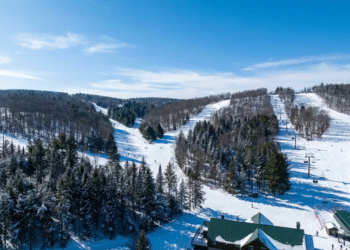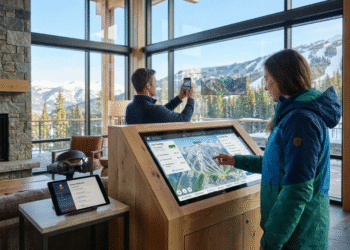


The appeal of mountain vacations extends far past the obvious scenic mountain views and crisp, fresh air. High-altitude destinations offer a distinct blend of physical challenge, mental restoration, and environmental appreciation. Whether you prefer skiing down powdered slopes in Colorado or hiking through vibrant summer wildflowers in Montana, proper preparation dictates the quality of your trip.
Selecting the optimal time for mountain vacations requires analyzing regional weather patterns and seasonal crowd dynamics. Peak winter seasons at major resorts command premium pricing, while summer mountain trips predictably draw massive crowds to national parks. Travelers who intentionally choose the autumn or spring shoulder seasons often experience lower costs alongside quieter trails.
Regional geography plays a massive role in what specific outdoor activities you can pursue during your trip. The Rocky Mountains provide excellent dry snow for winter sports enthusiasts, whereas the Appalachian range offers lush, dense forests perfect for autumn leaf-peeping. Researching the specific topography of your chosen destination helps align your daily expectations with physical reality.
Transportation logistics also require early consideration, especially since remote alpine towns frequently lack robust public transit networks. Renting an all-wheel-drive vehicle provides necessary safety margins on steep, unpredictable mountain passes during inclement weather. You should always check local road closures and seasonal tire requirements before finalizing your official travel itinerary.
Evaluating Elevation Profiles for High-Altitude Destinations
Elevation profiles directly impact your physical comfort and daily activity levels during your entire vacation experience. Destinations situated above 8,000 feet demand specific physiological adaptations and altitude sickness prevention strategies that coastal locations simply do not require. The Centers for Disease Control and Prevention reports that altitude illness can affect anyone, regardless of their current physical fitness level.
Analyzing Weather Patterns for Mountain Getaways
Mountain weather changes rapidly, frequently shifting from bright sunny skies to severe thunderstorms within a few minutes. Meteorologists strongly recommend checking specialized alpine forecasts rather than relying on standard municipal weather applications on your phone. Understanding the historical weather data for your specific travel dates helps you anticipate potential delays or hazardous trail conditions.
- Schedule trips during shoulder seasons to avoid premium pricing and heavy tourist crowds.
- Rent all-wheel-drive vehicles to safely navigate steep mountain passes and unpredictable weather.
- Review elevation profiles and historical weather data to set realistic physical expectations.
Essential Gear for Alpine Travel and Mountain Vacations
Packing for mountain vacations requires a highly systematic approach to technical layering and adequate weather protection. Mountain microclimates frequently produce rapid temperature fluctuations that can quickly catch unprepared hikers completely off guard. Building a versatile, moisture-wicking wardrobe system keeps you safe and comfortable across varying elevations and unpredictable weather conditions.
Start with a high-quality synthetic or merino wool base layer to manage physical sweat effectively during exertion. Add a thick mid-layer composed of fleece or down insulation to trap body heat as outside temperatures drop. Finally, a durable, waterproof shell jacket serves as your primary defense against sudden rainstorms and biting alpine wind.
Footwear remains the single most critical investment for any rugged outdoor excursion or extended hiking trip. Stiff-soled hiking boots provide essential ankle support when crossing uneven, rocky terrain in remote wilderness areas. Pairing these boots with high-quality wool socks prevents painful blisters and manages internal moisture during long days on the trail.
Layering Strategies for Mountain Resorts
Effective layering relies entirely on managing moisture and trapping body heat close to your bare skin. When you engage in strenuous activities like snowshoeing, your body generates sweat that can freeze if not wicked away properly. Removing heavy layers before you start sweating heavily prevents this dangerous moisture accumulation from chilling your core temperature.
Always break in your new hiking boots for at least two weeks before your trip begins. Wearing unconditioned boots on a ten-mile alpine hike almost guarantees painful blisters that will disrupt your vacation.
Beyond clothing, carrying proper safety equipment prevents minor inconveniences from escalating into serious, life-threatening wilderness emergencies. A comprehensive first-aid kit, a reliable LED headlamp, and a physical topographic map should reside in every daypack. Relying solely on cellular devices proves highly dangerous since rugged mountain topography frequently blocks digital communication signals entirely.
How to Acclimate to High Elevations During Mountain Vacations
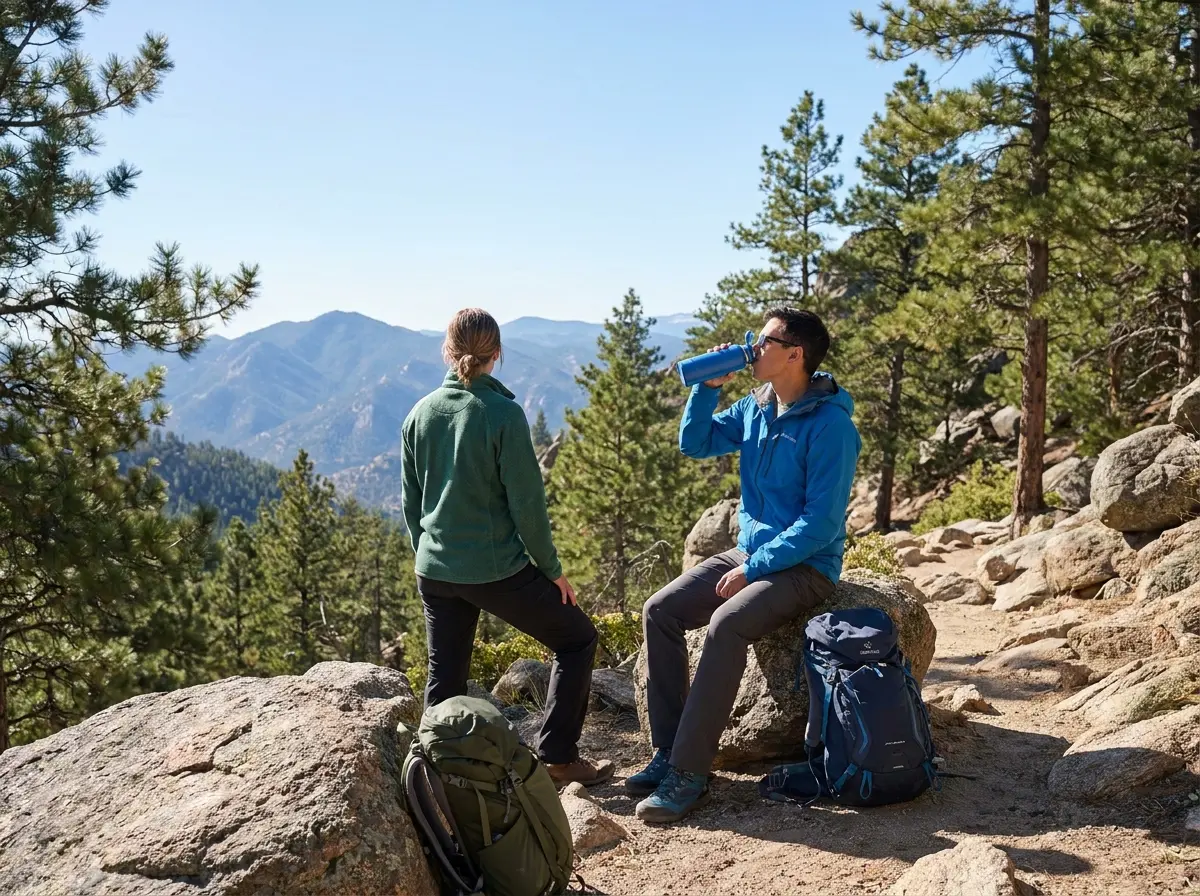
Altitude sickness ruins countless mountain vacations for eager travelers who attempt to ascend too rapidly from sea level. The diminished atmospheric pressure at high elevations means each breath delivers substantially less oxygen directly to your bloodstream. Implementing a structured, medically sound acclimation protocol allows your body to adjust safely to these challenging atmospheric changes.
Have you carefully considered how your body will physically react to breathing incredibly thin mountain air? Medical professionals consistently emphasize the absolute importance of gradual ascents for anyone traveling above 8,000 feet in elevation. Spending your first night at a moderate elevation before driving up to a high-altitude resort drastically reduces illness risks.
How to Safely Adjust to Altitude
Hydrate Aggressively
Start increasing your daily water intake 48 hours before you arrive at your mountain destination. Thin air evaporates moisture from your lungs faster than humid sea-level air, accelerating dehydration.
Limit Alcohol Consumption
Avoid alcoholic beverages entirely during your first two days at high elevation. Alcohol depresses your respiratory system and compounds dehydration, making altitude sickness much more likely to occur.
Plan Rest Periods
Schedule light, non-strenuous activities for your first 24 hours to monitor your physiological response. Pushing your physical limits immediately upon arrival frequently triggers severe headaches and extreme fatigue.
Recognizing the early symptoms of altitude sickness allows you to take immediate corrective action before conditions rapidly deteriorate. Persistent headaches, sudden nausea, and unusual physical fatigue serve as early warning signs that your body is struggling to adapt. If these problematic symptoms persist or worsen significantly, descending to a lower elevation remains the most effective medical treatment.
Budgeting Tactics for the Best Mountain Getaways
Financing mountain vacations often requires strategic financial planning due to the premium costs associated with modern alpine tourism. Expensive lift tickets, specialized equipment rentals, and mountain cabin rentals can quickly deplete a standard travel budget. Analyzing historical pricing data helps identify specific weeks when popular resorts lower their daily rates to attract more visitors.
Advanced booking strategies provide the most reliable method for securing reasonable rates on premium lodging and guided activities. Many major ski conglomerates release heavily discounted multi-mountain passes during the preceding spring season before the winter rush. Purchasing these regional passes early often yields financial savings of up to forty percent compared to buying daily lift tickets.
Dining expenses in affluent resort towns frequently shock budget-conscious travelers who fail to account for elevated local food costs. Transporting fresh commercial ingredients up steep mountain roads dramatically increases the baseline operating expenses for local restaurant owners. Booking accommodations with full kitchens allows you to prepare meals yourself, which financial experts recommend for controlling daily travel spending.
Alternative Accommodations for Mountain Getaways
Traditional resort hotels offer premium convenience but frequently consume the vast majority of your predetermined travel budget. Renting a private cabin slightly outside the main resort village provides significantly more living space for a fraction of the cost. These peripheral vacation properties often feature better privacy and more authentic access to surrounding nature trails and local parks.
Many mountain towns implement free public transit systems to deliberately reduce winter traffic congestion. Utilizing these complimentary shuttles entirely eliminates the need for expensive rental cars and daily parking fees.
Equipment rentals represent another massive expense category for travelers pursuing highly specialized alpine sports like snowboarding or rock climbing. Renting gear from independent shops located in the valley usually costs significantly less than utilizing slope-side resort rental facilities. You should also verify if your chosen airline waives oversized baggage fees for sporting equipment before deciding to rent locally.
Sustainable Practices for Eco-Friendly Mountain Vacations
Preserving fragile alpine ecosystems requires every single visitor to adopt strict environmental stewardship habits during their recreational stay. High-altitude environments recover from human impact much slower than temperate forests due to incredibly short growing seasons and harsh climates. Your daily actions on the trail directly influence the long-term ecological viability of these highly sensitive recreational outdoor areas.
The internationally recognized Leave No Trace principles provide a fundamental framework for minimizing your ecological footprint during mountain vacations. Staying strictly on designated hiking trails prevents the accidental destruction of rare alpine flora that takes several decades to mature. Packing out all trash, including biodegradable food waste, protects local wildlife populations from dangerous habituation to human food sources.
Supporting the local mountain economy also factors heavily into highly sustainable and responsible tourism practices for visiting guests. Purchasing supplies from independent outdoor retailers and dining at locally owned establishments keeps your money circulating within the remote community. These small regional businesses ultimately fund local conservation initiatives and maintain the critical infrastructure that makes your vacation physically possible.
- Stay on marked trails to protect fragile alpine vegetation from permanent damage.
- Pack out all garbage and food waste to keep local wildlife wild and healthy.
- Spend money at locally owned businesses to fund regional infrastructure and environmental conservation.
Conclusion: Maximizing Your Alpine Experience and Mountain Vacations
Ultimately, successful mountain vacations depend on balancing adventurous exploration with careful physical preparation and environmental respect. By prioritizing acclimation and sustainable practices, you ensure that these majestic high-altitude destinations remain vibrant for future generations of travelers. Planning your next alpine escape with these strategies in mind will undoubtedly enhance your overall experience.