
Imagine capturing the perfect safari photograph: a leopard resting on a tree branch, its eyes focused on the horizon. Many people assume that taking a photo like this requires extremely expensive equipment. In reality, that is one of the biggest myths in wildlife photography. The camera you already own is often capable of capturing incredible images.
Many travelers return from an African safari disappointed with their photos. Images may appear blurry because the vehicle was moving, or the animals may look tiny because they were far away. In most cases, these issues are not caused by the camera itself but by a lack of simple techniques that help photographers capture better moments.
Wildlife photography does not have to be complicated. With a few practical tips about equipment, camera settings, and composition, you can dramatically improve your safari photos and return home with images you are proud to share.
Choosing the Right Camera Gear
When preparing for a safari, many people focus heavily on the type of camera they should bring. While camera quality matters, the most important feature for wildlife photography is zoom capability.
Animals are often much farther away than people expect. A powerful zoom lens allows you to fill the frame with an animal’s face, fur, or distinctive features. Without sufficient zoom, even the most beautiful wildlife encounter can appear small and distant in your photos.
Modern smartphones are excellent for capturing landscapes and travel moments, but they usually lack the optical zoom needed for detailed wildlife photography.
A popular option for many travelers is a bridge or superzoom camera. These cameras combine a powerful built-in zoom lens with a compact body that is easy to carry. They are simple to use and provide enough reach for many wildlife situations.
For photographers who want greater image quality and flexibility, a DSLR or mirrorless camera with an interchangeable telephoto lens can be a strong choice. Lenses with focal lengths of 200 mm or more allow you to photograph distant animals clearly.
Regardless of the camera you bring, one surprisingly useful accessory is a beanbag. Filling a small beanbag with rice or beans and placing it on the edge of the safari vehicle creates a stable platform for your camera. This simple technique reduces vibration and helps produce sharper photos.
Camera Settings That Help Capture Action
Wildlife moments often happen very quickly. An eagle may take flight without warning, or a lion may suddenly stretch and yawn. To capture these fleeting moments, it helps to use camera settings that respond quickly.
One useful setting is burst mode, sometimes called continuous shooting mode. When burst mode is activated, the camera captures several photos in rapid succession while the shutter button is pressed. This increases your chances of capturing the exact moment when the action looks most dramatic.
Another important setting is sports mode. Many cameras include this option, which is often represented by an icon of a running person. Sports mode automatically increases the shutter speed so that fast movement can be captured clearly.
A fast shutter speed freezes motion, which helps prevent blur when animals run, jump, or fly. Advanced cameras allow photographers to select shutter priority mode, often labeled S or Tv. This mode allows you to control shutter speed directly.
Focus placement also plays an important role in wildlife photography. Instead of letting the camera automatically choose the focus point, try moving the focus box so it rests on the animal’s eye. Sharp focus on the eye creates a stronger emotional connection between the viewer and the subject.
A simple approach for action photography includes three steps. First, enable burst mode to capture multiple frames quickly. Second, use sports mode or shutter priority to freeze movement. Third, focus on the animal’s eye whenever possible.
Using Composition to Improve Your Photos
Many beginners instinctively place their subject directly in the center of the image. While this approach can work, professional photographers often use a composition technique known as the rule of thirds.
Imagine dividing your frame into nine equal sections using two vertical lines and two horizontal lines. Instead of placing the animal in the center, position it along one of these lines or where two lines intersect. This simple change creates a more balanced and visually interesting image.
It is also helpful to leave space in the direction the animal is looking or moving. This extra space creates a sense of movement and allows the viewer’s eye to follow the subject naturally.
Including elements of the landscape can also strengthen your photograph. Trees, trails, and distant hills provide context that tells a story about the animal’s environment. For example, a giraffe reaching toward the branches of an acacia tree creates a more dynamic scene than a tightly cropped portrait.
These small adjustments in composition can transform an ordinary wildlife photo into a powerful visual story.
Using Natural Light to Your Advantage
Lighting plays a major role in wildlife photography. On safari, the best photos are usually taken early in the morning or late in the afternoon.
During these times, the sun is lower in the sky, creating soft and warm light that enhances colors and textures. Photographers often refer to these periods as the golden hours.
Midday sunlight can be harsh and create strong shadows that hide details. Because of this, many safari schedules include breaks during the middle of the day when the lighting is less favorable.
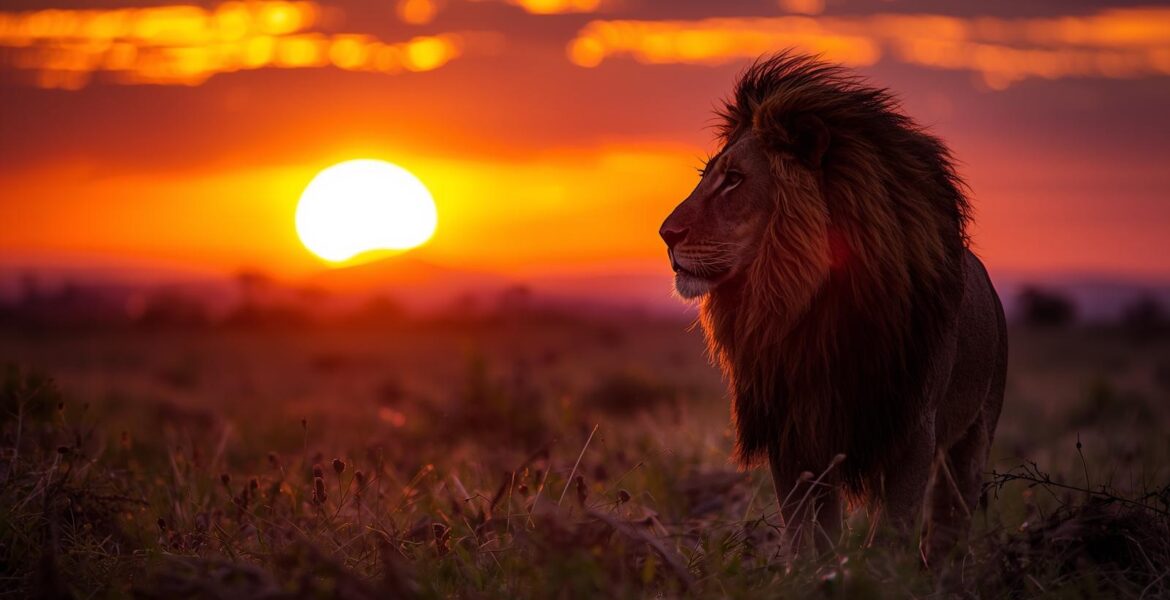
Sunrise and sunset also create opportunities for dramatic silhouettes. When the sun is directly behind an animal, the camera captures the outline of its shape against a bright sky. The distinctive form of an elephant, giraffe, or antelope can become a striking silhouette.
These images are often among the most memorable photographs from a safari.
Practicing Ethical Wildlife Photography
Capturing beautiful wildlife images should always be balanced with respect for the animals and their environment. Ethical photography places the well-being of wildlife above the desire for the perfect shot.
One important rule is to avoid using flash photography when photographing wild animals. Sudden flashes of light can startle animals and disrupt their natural behavior.
Patience is also essential. Instead of attempting to move closer or disturb an animal for a better angle, allow the scene to unfold naturally. Animals that feel safe and undisturbed often behave more naturally, resulting in better photographs.
Responsible wildlife photography also supports conservation efforts. When people share respectful images of animals in their natural habitats, they help raise awareness about the importance of protecting wildlife and preserving ecosystems.
Creating Lasting Safari Memories
Wildlife photography is about more than capturing technically perfect images. It is about preserving moments that tell the story of an unforgettable journey.
With the right zoom, simple camera settings, thoughtful composition, and an awareness of natural light, anyone can dramatically improve their safari photography.
Most importantly, remember that patience and respect for wildlife will always lead to the most meaningful images. By combining these elements, you can return from your safari with photographs that capture not only the animals you saw but also the atmosphere and beauty of the wild places you explored.