
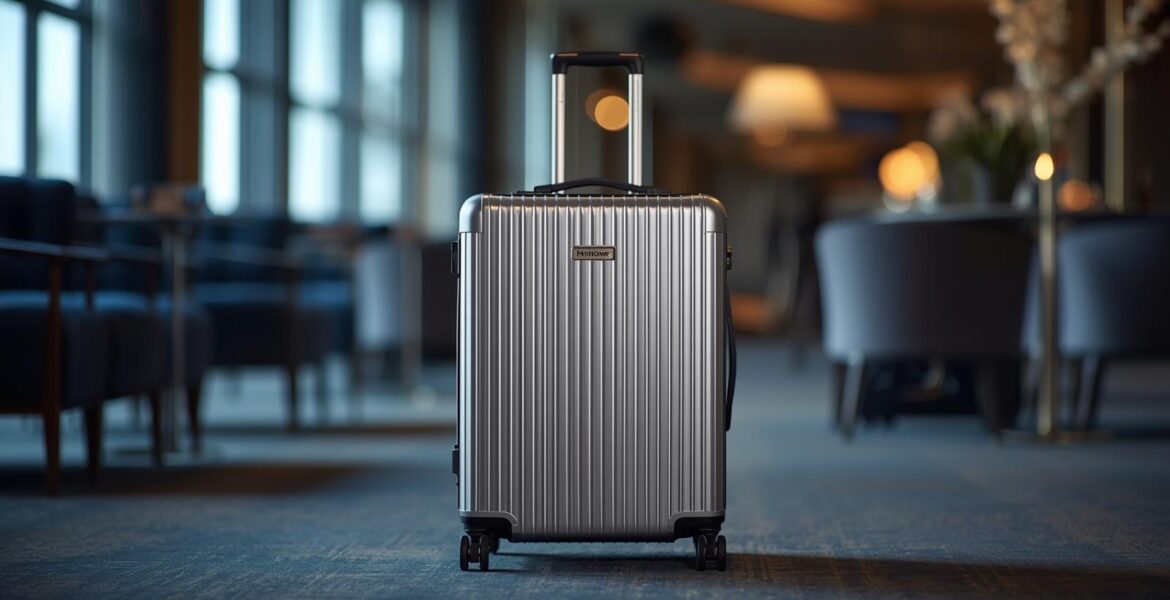
The first thing many people notice about Rimowa luggage is the signature parallel grooves that run across the suitcase. At first glance, it may seem like a purely stylistic choice, but this famous design was not created for fashion alone. It originated from a practical engineering concept rooted in aviation history.
The grooved pattern was inspired by the corrugated metal used in early aircraft built by Junkers during the early days of aviation. This design added strength and stability to lightweight aluminum sheets without significantly increasing weight. In a similar way, the grooves on Rimowa suitcases strengthen the aluminum shell while keeping it lightweight.
This balance of durability and design has become one of the brand’s most recognizable features. Over time, the grooved aluminum case has grown into a global symbol of premium travel and craftsmanship.
Aluminum vs. Polycarbonate: Choosing the Right Rimowa
When selecting a Rimowa suitcase, one of the most important decisions involves the material. Rimowa offers two primary options: aluminum and polycarbonate. Each material offers a different travel experience.
The iconic aluminum models, such as those found in the Rimowa Original and Classic collections, are made from anodized aluminum. This material is strong and relatively lightweight, but it naturally develops scratches and dents over time. For many travelers, this aging process is part of the appeal. Each mark becomes a reminder of past journeys, creating a unique visual story known as a patina.
Some travelers appreciate this character and consider it a reflection of adventure. The suitcase becomes a personal travel record, showing signs of the many destinations it has visited.
Polycarbonate cases provide a different type of durability. Found in collections such as the Rimowa Essential line, polycarbonate is a high-performance plastic that is extremely lightweight and flexible. Instead of denting when struck, the material is designed to bend slightly and return to its original shape.
For travelers who prefer a suitcase that maintains a clean, polished appearance, polycarbonate can be an excellent choice. It offers strong protection for belongings while resisting visible damage during travel.
Ultimately, the decision between aluminum and polycarbonate reflects personal preference. Some travelers enjoy the evolving character of aluminum luggage, while others prefer the modern, lightweight resilience of polycarbonate.
The Engineering That Makes Rimowa Easy to Move
One of the reasons Rimowa luggage stands out in busy airports is how smoothly it moves. This effortless motion comes from the brand’s patented Multiwheel system.
Unlike traditional luggage wheels that only move forward and backward, Rimowa’s wheels rotate in multiple directions. Each wheel is mounted with precision ball bearings that allow the suitcase to glide smoothly across airport floors. This design reduces the need to drag heavy luggage behind you.
Instead of pulling the suitcase, travelers can guide it beside them with minimal effort. This small difference significantly improves comfort when walking long distances through terminals.
The attention to detail continues with the telescopic handle. Many suitcases have fixed handle positions that may not fit every traveler comfortably. Rimowa’s stage-free telescopic handle allows the user to adjust the height continuously rather than locking into preset positions.
This adjustable design reduces wobbling and makes it easier to move through crowded spaces.
Inside the suitcase, Rimowa includes a packing system called the Flex Divider. Rather than using simple elastic straps, this system uses adjustable panels that help compress clothing and keep items organized. This helps prevent belongings from shifting during travel and maximizes the available packing space.
These small engineering details combine to create a suitcase that is practical, reliable, and easy to use.
Understanding Rimowa’s Lifetime Service
Purchasing a premium suitcase often raises an important question. What happens if the luggage becomes damaged during travel?
Rimowa addresses this concern by offering a lifetime service guarantee for new suitcases purchased through authorized retailers. This policy reflects the company’s philosophy that a suitcase should last for decades, not just a few trips.
Once the product is registered, the warranty covers functional damage that affects the performance of the suitcase. This includes issues such as wheels that stop rolling properly, handles that become stuck, or locks that malfunction.
These functional repairs are handled through Rimowa’s global network of service centers. Travelers can bring their suitcase to an authorized location where technicians repair the affected components.
It is important to note that cosmetic damage is not covered by the warranty. Scratches, dents, and surface marks are considered part of normal wear, particularly for aluminum models. For many Rimowa owners, these marks contribute to the character of the suitcase and reflect years of travel.
This service-focused approach changes how the product is viewed. Instead of a disposable item that must be replaced every few years, a Rimowa suitcase becomes a long-term travel companion that can be maintained over time.
How to Choose Your First Rimowa Suitcase
Although Rimowa offers several collections, choosing the right model usually comes down to two main factors: material and size.
The first step is selecting the material that best matches your travel style. Travelers who want the classic aluminum appearance often choose between the Original and Classic collections. Both use aluminum shells, but the Classic line features leather handles that give it a slightly vintage appearance.
Travelers who prefer a lighter suitcase that resists dents may prefer the polycarbonate Essential collection. These cases offer excellent durability while remaining easy to lift and carry.
The second step is choosing the appropriate size. Rimowa offers two primary categories: cabin and check-in luggage.
Cabin models are designed to meet most airline carry-on size requirements and fit in overhead compartments. These suitcases are ideal for short trips or travelers who prefer to avoid checking luggage.
Check-in models are larger suitcases intended for checked baggage. Sizes range from medium cases suitable for several days of travel to large options designed for extended trips.
A popular choice for longer travel is the Check-In L size, which provides generous packing capacity while remaining manageable to transport.
Understanding your travel habits can help you determine which size works best for your needs.
Is Rimowa Worth the Investment
Rimowa suitcases are widely known for their high price, but their value comes from the combination of premium materials, thoughtful engineering, and long-term service support.
For frequent travelers, the durability and smooth performance of Rimowa luggage can make a noticeable difference. The suitcase is designed to withstand years of use while maintaining its functionality.
The lifetime service policy also adds long-term value. Instead of replacing damaged luggage every few years, owners can repair and maintain their suitcase through Rimowa’s service network.
For travelers who follow a “buy it once, buy it well” philosophy, a Rimowa suitcase can represent a practical long-term investment.
Ultimately, the decision depends on personal priorities. Travelers who value durability, design, and reliable performance may find that Rimowa offers a level of quality that justifies the price. For those who travel frequently, it can become more than just luggage. It becomes a trusted companion for journeys around the world.