
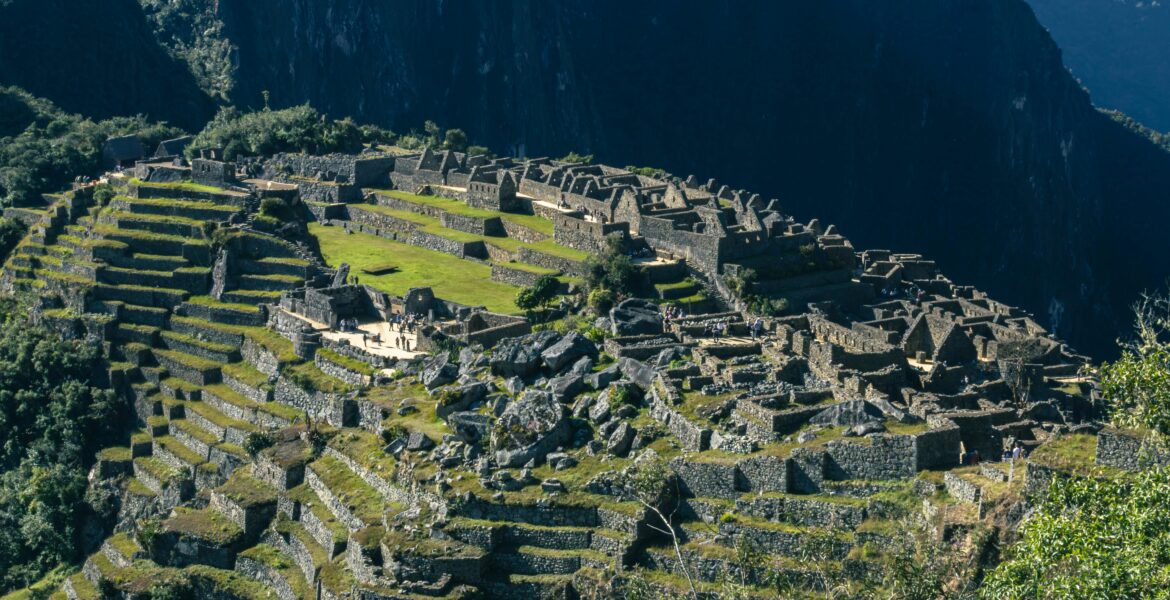
We have all seen the iconic photo where the sun hits granite peaks as clouds drift through the ruins, yet standing on those ancient terraces is a sharp contrast between the serene postcard image and the complex logistics required to get there. Experienced guides often note that securing that perfect moment on Machu Picchu tours requires navigating a journey that is as strategic as it is scenic.
Geography plays a bigger role than most anticipate, as the destination is split into distinct zones rather than existing as one seamless location. You must first navigate Aguas Calientes, the bustling transit hub at the river’s edge, before taking a shuttle up to the Citadel, which is the archaeological site proper. Understanding this separation is vital for planning, especially when sifting through various Peru travel packages that may not clarify where your hotel is located relative to the entrance. To protect the integrity of the stone structures, officials now enforce a strict circuit system, functioning like a designated track limiting where visitors can walk. Navigating these logistical layers with a knowledgeable guide ensures you understand exactly which ticket buys the view you have traveled thousands of miles to see.
Wait, Where Is It? Mapping the Journey from Cusco to Aguas Calientes
Most visitors fly into Cusco expecting to see the famous ruins from their hotel, but the citadel is hidden 50 miles away in the humid cloud forest. This city is just the start of the journey, which descends through the Sacred Valley, a lush region that acts as a vital transition zone, dropping you from the breathless heights of the Andes toward the warmth of the Amazon basin.
Midway through this corridor lies Ollantaytambo, a village that serves as the essential pivot point for your logistics. While often treated as a mere train station, it is worth pausing here to climb its massive stone fortress. It also marks the end of the road network; from here, the mountains become too steep for cars, leaving you with only rails or trails to move forward.
The tracks finally dead-end at Aguas Calientes, a town squeezed between rushing rivers directly beneath the archaeological site. As the functional base camp where hotels cluster, it serves as the launching pad for the buses that shuttle visitors up to the entrance. This geography dictates your schedule, forcing you to choose between a multi-day hike or a scenic rail journey to bridge that final gap.
Boots or Boxcars? Deciding Between the Inca Trail and the Salkantay Trek
For many travelers, the only “real” way to arrive is on foot, entering through the Sun Gate just as the Incas did centuries ago. However, choosing a trek is not just about fitness; it is about navigating a complex permit system that often catches visitors off guard. The decision usually boils down to two distinct paths: the legendary Classic Inca Trail or the wilder Salkantay Trek.
If your heart is set on history, the Classic route is the gold standard. It is the only trek that terminates directly inside the park at the Sun Gate, offering that bucket-list reveal of the ruins at sunrise. Because the government strictly caps daily access to preserve the stone path, booking permits requires roughly six to eight months of lead time. It is a rigid system where spontaneity is impossible; once the spots for your dates are sold, they are gone.
The Salkantay route offers a rugged alternative for those who missed the booking window or prefer solitude. While the Classic Trail emphasizes archaeological storytelling, Salkantay focuses on raw nature, traversing glacial passes at a breathless 15,000 feet before descending into lush coffee plantations. Recently, the rise of glamping featuring glass domes and heated beds along the route has made this physically demanding trek accessible to those who want adventure without sacrificing comfort.
In summary, the Classic Inca Trail offers moderate difficulty with a focus on ruins and history, but requires strict booking six or more months in advance. The Salkantay Trek presents a higher physical challenge with a focus on glaciers and jungle, and is often available last minute. Not everyone wants to sleep in a tent or battle altitude sickness for four days, and that is perfectly valid. If you prefer a more refined experience, the railway offers a journey that is just as spectacular but significantly more comfortable.
The Luxury of the Rails: Why the Hiram Bingham Experience is Worth the Upgrade
For travelers who prefer elegance over hiking boots, the journey to the Citadel becomes a destination in itself. The luxury Hiram Bingham train transforms the transit from Cusco into a rolling dinner party, complete with polished wood paneling evoking the Pullman era. Instead of watching the landscape through a sweaty visor, you witness the dramatic shift from alpine peaks to the steamy cloud forest from an open-air observation car, sipping a Pisco Sour while the Urubamba River rushes below.
Sticker shock is common when comparing luxury and budget Peru expeditions, but the premium price tag often solves a complex logistical puzzle. Unlike standard rail options, this service operates as a comprehensive tour rather than a simple shuttle. Your ticket generally includes gourmet dining, live music, the bus transfer up the mountain, and the entry ticket with a guide. For those overwhelmed by planning, consolidating these moving parts into one seamless booking provides peace of mind that validates the cost.
This comfort ensures you arrive at the gates refreshed and ready to explore the humid, orchid-filled microclimate of the site. Even an exclusive arrival does not exempt you from the park’s rigid structure, however. Whether you hike in or arrive on velvet seats, you ultimately face the same entrance, where all visitors must decipher which specific path guarantees that classic postcard view.
Cracking the Ticket Code: Which Machu Picchu Circuit Guarantees Your Iconic View?
Standing at the turnstiles often leads to panic as visitors realize their generic admission no longer exists; the site now operates on a strict track system similar to a theme park, where you must choose your route before entering. To secure that classic panoramic shot of the stone city framed by green peaks, you generally need to book Circuit 1 or Circuit 2. These specific ticket types grant access to the upper terraces, which is the only vantage point where the citadel aligns perfectly for the world-famous photograph found on every postcard.
Once you select a route, tickets are issued with rigid 60-minute entry windows. A 9:00 AM pass becomes invalid at 10:01 AM, a regulation designed to reduce overcrowding that simultaneously removes the freedom to backtrack. The paths are strictly one-way to preserve the fragile architecture, so if you rush past a temple hoping to return later, you will likely find yourself funneled toward the exit with no option to turn around.
For those craving vertical adventure beyond the standard ruins, specific mountain add-ons offer dramatic rewards. The famous Huayna Picchu hike requires scrambling up near-vertical Inca steps that demand good fitness and zero fear of heights. Alternatively, the Intipunku route offers milder grades and sweeping sunrise views, allowing you to see the valley unfold exactly as the Incas did when arriving from the pilgrimage trail. Successfully navigating these physical and bureaucratic hurdles ensures your visit remains a memory of wonder rather than frustration.
Breathless in the Andes: Real-World Tactics for Preventing Altitude Sickness
While the citadel feels like the top of the world, landing in Cusco puts you at 11,152 feet, which is significantly higher than the ruins themselves. This sudden shift often triggers soroche, or altitude sickness, before you even see a llama. A smart strategy involves bypassing the city initially for the oxygen-rich lowlands. Spending your first nights in towns like Ollantaytambo allows for gradual adjustment, while simultaneously supporting local communities that often see fewer overnight guests.
Beyond itinerary tweaks, Andean dietary customs provide functional relief for headaches and fatigue. Hotels widely serve tea made from coca leaves to boost oxygen absorption, while muña, a native mint, offers a caffeine-free alternative that settles the stomach. Physical preparation also demands strict hydration, as high elevation accelerates fluid loss. Resisting the urge to celebrate with a Pisco Sour on your first night is crucial, as alcohol amplifies symptoms and hinders recovery.
Your Machu Picchu Roadmap: How to Book Your Perfect Peru Expedition Today
Standing at the Sun Gate is no longer just a daydream; it is a reachable goal built on clear logistics. With the right preparation, the complexity of the trip fades, leaving only the awe of the destination.
To maximize your chances of clear skies, aim for the dry months between May and September. Regardless of when you visit, the mountains are unpredictable, so prepare with waterproof layers for sudden showers, broken-in hiking boots for uneven stone steps, high-strength insect repellent, sun protection including a hat and SPF 50+, and a refillable water bottle.
Finalize your booking at least six months in advance to lock in your preferred circuit. By committing to sustainable travel, carrying out what you carry in, you ensure the Lost City remains a pristine wonder for the next generation of explorers.