
p>The modern workforce continues to shift away from traditional office environments across the country at an unprecedented pace. Millions of ambitious professionals now embrace nomad life as a permanent and fulfilling alternative to standard residential housing. This significant lifestyle choice requires careful financial planning, robust technological setups, and a clear understanding of complex legal requirements. Successfully navigating the digital nomad lifestyle involves more than just a desire for adventure; it demands a strategic approach to professional sustainability.
You cannot simply pack a bag and expect your professional career to function smoothly while moving between different time zones. Remote work allows you to travel continuously, but long-term success demands serious preparation and strict daily discipline to maintain productivity. We will examine the exact strategies professionals use to maintain their careers while moving consistently across various domestic and international landscapes. By understanding the nuances of location independence, you can build a life that balances professional growth with the freedom of constant exploration.
Living without a fixed address fundamentally changes the entire structure of your personal financial management and long-term wealth building. Many people incorrectly assume that nomad life costs significantly less than renting a luxury apartment in a major metropolitan city. This assumption often proves false once you factor in the high costs of short-term lodging and premium high-speed connectivity. You must also consider the hidden expenses of frequent transportation and the lack of a consistent “home base” for bulk purchasing.
Your monthly budget must carefully account for fluctuating gas prices, unexpected vehicle maintenance, and expensive private health insurance policies. Data from recent economic surveys shows that location-independent workers must earn highly competitive salaries to sustain themselves over several years. A comprehensive 2023 report by MBO Partners found that millions of Americans plan to adopt this alternative lifestyle permanently. Many of these individuals utilize Nomad List to compare the cost of living across different global hubs before relocating.
Furthermore, a large percentage of these remote professionals consistently earn over $75,000 annually from their various corporate positions or freelance ventures. You absolutely need a stable income source before you terminate your current lease or sell your primary residence to travel. Building a substantial emergency fund is a critical prerequisite for anyone pursuing this demanding and often unpredictable professional lifestyle. Financial stability acts as the foundation upon which your entire mobile career is built, providing the security needed to handle emergencies.
Vehicles frequently break down, essential laptops fail unexpectedly, and medical emergencies happen regardless of your physical geographic location or current scenery. Financial experts strongly recommend saving at least six full months of living expenses before starting your extensive travel journey. This vital financial buffer provides necessary peace of mind while you adjust to your entirely new and challenging mobile environment. Additionally, understanding the principles of geo-arbitrage can help you maximize your purchasing power by earning in a strong currency while living in more affordable regions.
Strategic financial management also involves understanding the tax implications of moving between different jurisdictions frequently throughout the fiscal year. You must track your physical presence in various states or countries to avoid double taxation or unexpected residency audits. Many successful nomads employ specialized accountants who understand the nuances of remote work and international tax treaties. Maintaining meticulous records of all business-related travel expenses will also ensure you maximize your eligible tax deductions each year.
- Location-independent workers must secure stable income and build a six-month emergency fund before traveling.
- Budgeting for nomad life requires accounting for fluctuating gas prices and premium health insurance policies.
- Remote professionals earn highly competitive salaries that easily support continuous geographic movement across the country.
Essential Technology and Connectivity for Remote Work Travel
Reliable internet access ultimately dictates your ability to sustain a demanding remote career while traveling across the country or abroad. You cannot rely on unsecured public Wi-Fi networks at coffee shops or rural campgrounds for high-bandwidth professional tasks. Remote professionals need enterprise-grade connectivity to participate in daily video calls and securely access sensitive corporate data servers without interruption. Investing in a high-quality Virtual Private Network (VPN) is also essential for maintaining data security while using various networks.
Building a highly redundant internet setup is the most important technological investment you will make for your mobile career. Most successful remote workers combine multiple cellular network data plans with modern satellite internet options for maximum reliability. Starlink has completely revolutionized mobile connectivity by providing high-speed internet access in extremely remote and isolated geographic locations. This technology allows professionals to work from national parks or remote deserts that were previously off-limits for digital work.
However, satellite internet occasionally suffers from frustrating latency issues and absolutely requires a clear view of the sky to function. You should systematically supplement your satellite service with powerful 5G hotspots from major carriers like Verizon, AT&T, or T-Mobile. Powering your sensitive electronic equipment requires a highly capable electrical system in your vehicle or temporary rental housing to avoid downtime. Without a reliable power source, even the best internet connection becomes useless during a long workday.
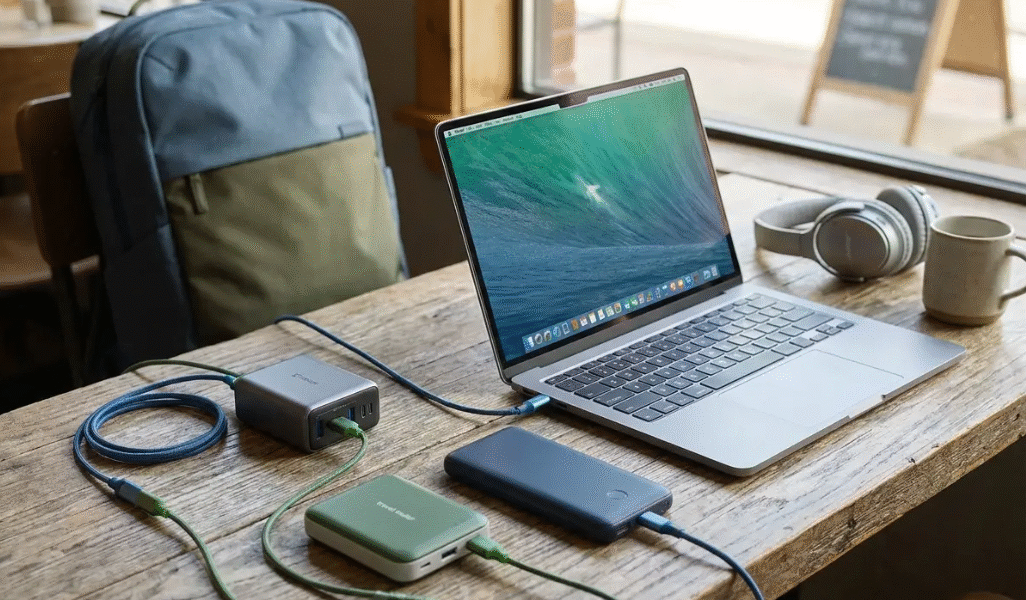
Portable power stations from reputable companies like Jackery or EcoFlow provide excellent backup electricity during unexpected power outages or off-grid stays. Many full-time travelers install large lithium battery banks and rooftop solar panels to run their heavy electronics indefinitely. You must carefully calculate your daily wattage requirements to size your mobile electrical system correctly for your specific professional needs. Proper power management ensures that you never miss a deadline due to a dead battery or a lack of charging options.
Beyond connectivity and power, your hardware choices must prioritize durability and portability for the rigors of constant travel. High-performance laptops with long battery life and rugged external hard drives are essential components of a professional mobile office. You should also carry essential peripherals like noise-canceling headphones to maintain focus in busy environments like airports or shared coworking spaces. Having a secondary backup device, such as a powerful tablet, can save your workday if your primary computer experiences a hardware failure.
Always test your primary and backup cellular networks simultaneously before committing to a remote campsite or Airbnb. This prevents disastrous connectivity failures right before important corporate video presentations or client meetings.
Step-by-Step Guide: How to Transition to a Digital Nomad Lifestyle
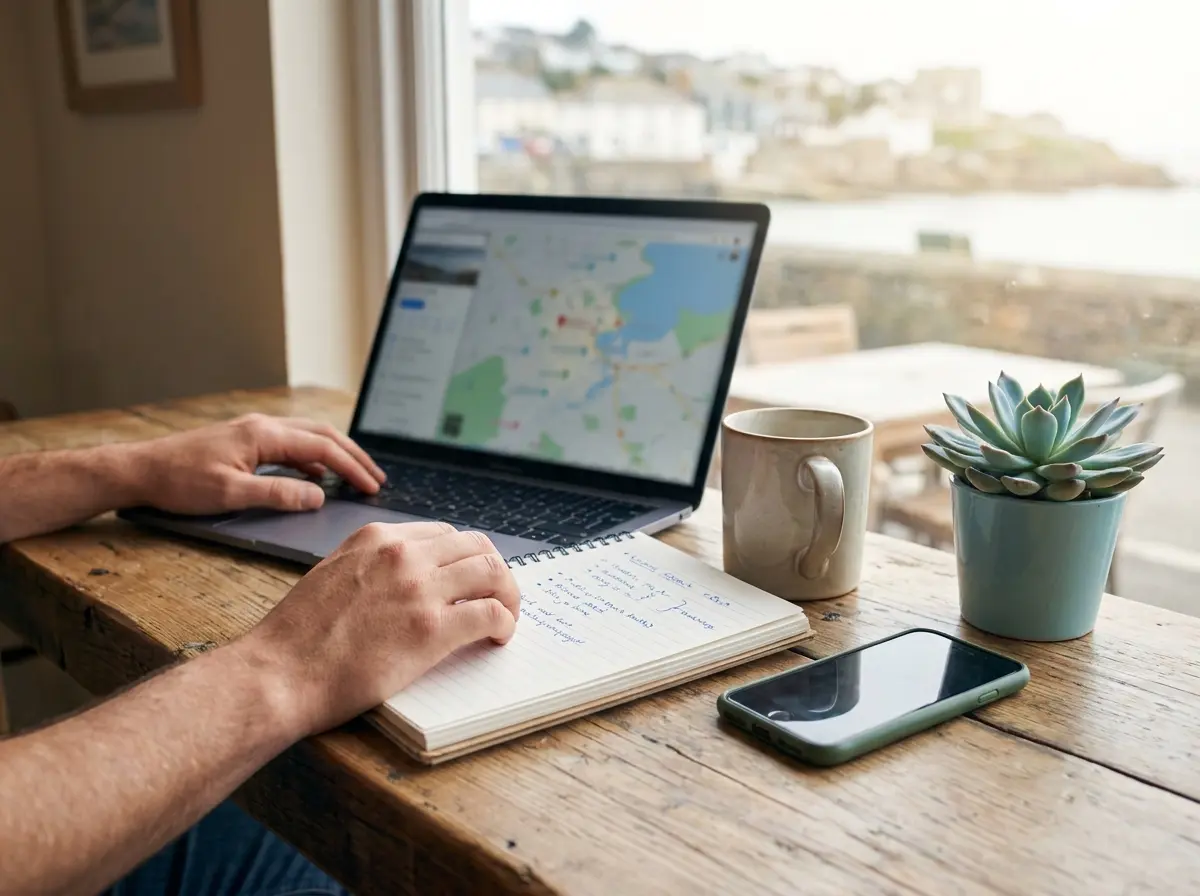
Moving from a traditional stationary home to a mobile setup requires systematic execution and highly detailed logistical planning over several months. You simply cannot rush this complicated transition process without facing severe financial and professional problems down the line. Breaking down the massive transition into smaller manageable phases helps you avoid incredibly expensive and frustrating early mistakes. A successful transition is often the result of meticulous research and a willingness to adapt to changing circumstances.
The initial phase involves a complete audit of your current physical possessions and your ongoing monthly financial obligations. You must aggressively downsize your belongings because excess weight and clutter will severely restrict your overall travel mobility and comfort. Most experienced travelers recommend selling large furniture and storing only irreplaceable sentimental items in a secure climate-controlled facility. This process of decluttering can be emotionally taxing but is ultimately liberating for those seeking a more minimalist lifestyle.
The second major phase focuses entirely on digitizing your life and establishing secure remote access to important documents. You need to scan all critical legal paperwork and store the digital copies in a highly secure cloud environment with encryption. The following logical sequence outlines the standard practical approach used by highly successful remote professionals across the country to ensure a smooth transition. Following these steps will help you maintain a sense of order amidst the chaos of moving your entire life.
How to Get Started with Nomadic Living
1. Establish a Legal Domicile
Choose a travel-friendly state like South Dakota, Texas, or Florida to set up your official legal residency and domicile properly.
2. Secure Remote Income
Negotiate a permanent remote working agreement with your current employer or build a reliable independent freelance client base.
3. Downsize Physical Possessions
Sell, donate, or securely store household items that simply do not fit into your new mobile travel setup or vehicle.
Navigating Legal and Logistical Considerations for Nomadic Living
Maintaining an official legal presence in the United States requires a physical address for government and financial institutions to send correspondence. Continuous travel complicates basic civic duties like casting a vote, paying income taxes, and renewing your driver’s license or vehicle registration. You must officially establish a legal domicile in one specific state, even if you rarely spend time within its physical borders. This decision has long-term implications for your tax liability and legal protections.
States like Texas, Florida, and South Dakota remain highly popular choices because they currently lack state income taxes for residents. Specialized mail forwarding services operate as your physical street address and digitally scan your incoming physical paper correspondence for remote viewing. Companies like Escapees RV Club specialize in helping continuous travelers manage confusing state residency laws completely legally. It is also wise to consult the IRS guidelines for remote workers to ensure full federal tax compliance.
These organizations provide you with a valid residential street address that fully satisfies strict banking and government regulations like the PATRIOT Act. You should heavily research the specific legal requirements of your chosen state before attempting to change your residency or domicile. Healthcare coverage presents another massive logistical hurdle for continuous travelers who frequently cross state lines throughout the calendar year. Finding a plan that offers nationwide coverage is often the most difficult part of the logistical puzzle.
Most standard corporate health insurance plans operate on strict regional networks that completely ignore out-of-state routine medical care or specialist visits. You will desperately need a comprehensive nationwide PPO plan or a highly specialized travel medical insurance policy instead. Some people utilize alternative health-sharing ministries, though these specific options come with significant coverage limitations and financial risks that you must evaluate. Always ensure you have a plan for emergency medical evacuations if you plan to travel to remote or international locations.
If your nomad life takes you across international borders, you must also navigate the complexities of tourist visas and work permits. Many countries are now introducing specific “digital nomad visas” that allow professionals to live and work legally for extended periods. Failing to respect local immigration laws can result in heavy fines, deportation, or permanent bans from entering certain regions. Always check the entry requirements for your destination well in advance to ensure your professional activities remain fully compliant with local regulations.
Never assume your standard corporate health insurance covers routine medical visits in a different state. You will face massive out-of-pocket medical bills without a proper nationwide PPO policy or specialized nomad insurance.
Managing the Psychological Impact of Constant Travel and Working Remotely
The initial excitement of visiting amazing new places often masks the deep psychological strain of continuous geographic movement and isolation. Severe decision fatigue sets in quickly when you must constantly find new places to sleep, eat, and work every few days. Maintaining a high level of professional productivity requires a highly structured daily routine that firmly anchors your schedule regardless of your location. Without this structure, the novelty of travel can quickly become a source of significant stress.
Without a dedicated and quiet workspace, the distinct boundary between your professional obligations and personal life blurs significantly over time. Chronic loneliness represents a remarkably frequent complaint among long-term travelers who spend months away from their traditional support networks and families. Building meaningful personal relationships is incredibly difficult when you consistently leave a new city after just a few weeks of residency. This lack of community can lead to feelings of detachment and a loss of personal identity.
You must actively seek out organized communities of like-minded individuals to successfully combat this creeping sense of isolation and loneliness. Dedicated co-living spaces and professional meetup groups provide excellent networking opportunities to connect with other location-independent corporate workers. Many ambitious individuals experience severe mental burnout after completing their very first exhausting year living on the road without a break. Recognizing the signs of burnout early is essential for maintaining your long-term mental health and career trajectory.
The immense pressure to explore new surroundings while working a demanding full-time job completely drains your energy reserves and creativity. Travel fatigue frequently forces many people to adopt a significantly slower pace, spending several months in one single location. This deliberate slow travel strategy allows you to integrate into local communities and dramatically reduces your overall stress levels. By slowing down, you can enjoy the benefits of nomad life without sacrificing your mental well-being or professional performance.
- Continuous travel frequently causes severe decision fatigue and chronic loneliness without a dedicated support network.
- Establishing a highly structured daily routine helps maintain distinct boundaries between professional and personal life.
- Adopting a slow travel strategy dramatically reduces stress and prevents devastating mental burnout over time.
Accommodation Strategy: Finding the Best Housing for Nomad Life
Selecting your primary method of accommodation heavily influences your daily comfort levels and overall professional productivity while on the road. Some professionals prefer the consistency of a custom-built van or a modern recreational vehicle that travels with them everywhere. This approach offers a sense of familiarity and control over your environment, which can be crucial for maintaining a steady work rhythm. Others choose to utilize short-term rental platforms like Airbnb or Vrbo to experience different neighborhoods while maintaining the comforts of a traditional home.
Coliving spaces have also emerged as a popular option for those seeking a balance between private living and a built-in social community. These facilities often provide dedicated coworking areas, high-speed internet, and organized social events for location-independent workers. Choosing the right accommodation requires a deep understanding of your personal needs, including your tolerance for noise and your requirement for a ergonomic workspace. You must also consider the logistical challenges of booking accommodations in advance, especially during peak travel seasons.
Budgeting for accommodation is often the largest expense in a nomad’s monthly financial plan, requiring careful monitoring and adjustment. Many travelers use a mix of strategies, such as staying in affordable hostels occasionally to offset the cost of more expensive private rentals. It is essential to read reviews specifically from other remote workers to ensure that a potential stay has the necessary amenities for professional work. A quiet environment and a comfortable chair can make the difference between a productive week and a frustrating one.
Furthermore, the rise of specialized housing platforms catering specifically to the digital nomad lifestyle has made finding suitable workspaces much easier. Websites like TrustedHousesitters allow travelers to stay in homes for free in exchange for pet care, which can significantly reduce monthly overhead. However, these arrangements require a high level of responsibility and may not always provide the high-speed internet required for intensive corporate tasks. Balancing cost-saving measures with the necessity of a professional environment is a constant challenge for those living on the move.
Career Longevity: Evaluating the Long-Term Sustainability of a Remote Career
As the novelty of nomad life begins to fade, many professionals must evaluate the long-term sustainability of their remote career paths. While the freedom of travel is intoxicating, it can sometimes hinder long-term career advancement if not managed with extreme care. Maintaining visibility within your organization and building strong professional relationships requires intentional effort when you are never physically present. You must go above and beyond to demonstrate your value and reliability to your employers and colleagues.
Sustainability also involves physical health, as the lack of a consistent routine can lead to poor dietary choices and a lack of regular exercise. Successful long-term nomads prioritize their health by seeking out local gyms or practicing outdoor activities in their various locations. They also recognize the importance of taking actual vacations where they disconnect from work entirely, even while they are already “traveling.” Balancing work, travel, and rest is a delicate art that takes time and experience to master effectively.
To ensure long-term professional growth, you must also invest in continuous skill development and networking within your specific industry. Attending virtual conferences and participating in online professional communities helps you stay relevant in a competitive global job market. Many nomads find that diversifying their income streams through side projects or investments provides an extra layer of security for their unconventional lifestyle. Staying proactive about your career trajectory will prevent you from feeling stagnant while you explore the world.
Ultimately, the digital nomad lifestyle is a powerful tool for personal growth and global perspective, but it is not a permanent solution for everyone. Some find that after a few years, they crave the stability of a home base while still maintaining a remote work arrangement. Others continue to thrive on the road for decades, constantly finding new ways to adapt and evolve their professional lives. Regardless of your long-term goals, the skills you gain from navigating the complexities of nomad life will serve you well in any future endeavor.
Conclusion
Embracing nomad life offers an unparalleled opportunity to see the world while building a successful and modern professional career. However, this lifestyle is not merely a vacation; it is a complex and demanding way of living that requires meticulous planning and resilience. By focusing on financial stability, robust technology, and legal compliance, you can create a sustainable foundation for your mobile journey. The psychological challenges of travel are real, but they can be managed through community and a commitment to a healthy daily routine.
As you transition into this new way of working, remember that flexibility and adaptability are your greatest assets in an ever-changing environment. Whether you choose to travel for a year or a decade, the experiences you gain will undoubtedly shape your professional and personal outlook. The future of work is increasingly location-independent, and those who master the art of nomadic living will be well-positioned for success. Take the time to prepare thoroughly, and you will find that the rewards of a life on the road are well worth the effort required.