
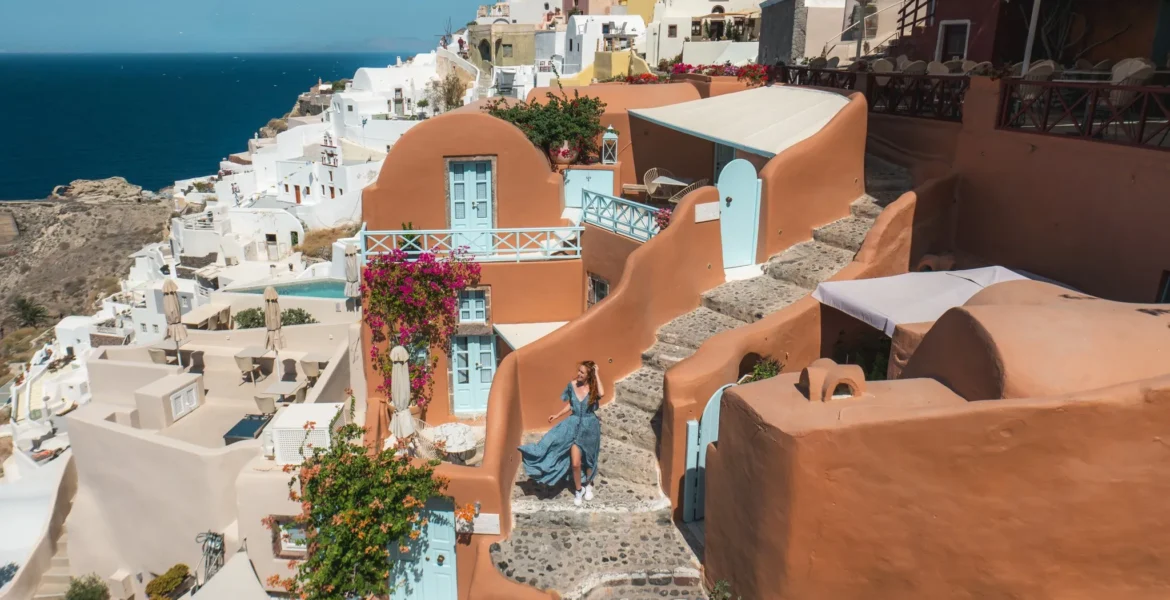
Traveling solo in Europe for the first time can be both exciting and a little overwhelming. With its rich history, diverse cultures, and efficient transportation systems, Europe is one of the best regions for solo adventures. However, proper planning and awareness are key to making your journey safe, enjoyable, and memorable. This guide covers the best travel tips for first time solo travelers in Europe to help you navigate your trip with confidence.
Why Choose Europe for Solo Travel?
Europe is considered one of the most solo-traveler-friendly destinations due to its well-connected cities, reliable public transport, and tourist-friendly infrastructure. Whether you’re exploring historic landmarks or modern cities, traveling alone gives you the freedom to create your own schedule.
Plan Your Itinerary Smartly
Before your trip, outline a flexible itinerary. Focus on a few countries or cities instead of trying to cover too much at once. Popular beginner-friendly destinations include:
- Paris
- Rome
- Barcelona
These cities are easy to navigate and offer a mix of culture, food, and attractions.
Avoid overpacking your schedule. Leave room for rest and spontaneous exploration.
Choose Safe and Convenient Accommodation
Safety should be your top priority when traveling solo. Look for accommodations in central, well-lit areas close to public transport. Options include:
- Hostels with private rooms
- Budget hotels
- Verified short-term rentals
Reading reviews and checking ratings can help you make better choices.
Pack Light and Smart
Carrying less makes traveling easier, especially when moving between cities. Pack versatile clothing, comfortable shoes, and essential travel documents.
Keep important items like your passport, money, and phone secure at all times. A crossbody bag or anti-theft backpack can be very helpful.
Use Public Transportation
Europe’s public transport system is one of the best in the world. Trains, buses, and metros are efficient and affordable.
Consider using:
- Eurail for train travel
- Local metro systems in major cities
Learning basic routes in advance can save time and reduce stress.
Stay Connected
Having internet access is essential for navigation, communication, and safety. You can use:
- Local SIM cards
- International roaming plans
- Portable Wi-Fi devices
Apps like maps and translation tools make solo travel much easier.
Be Aware of Your Surroundings
While Europe is generally safe, it’s important to stay alert. Avoid isolated areas at night and keep an eye on your belongings in crowded places.
Trust your instincts. If something feels off, remove yourself from the situation.
Meet People Along the Way
Solo travel doesn’t mean being alone all the time. You can meet fellow travelers through:
- Group tours
- Hostels
- Local events and activities
This can enhance your experience and create lasting memories.
Manage Your Budget Wisely
Europe can be expensive, but careful planning helps control costs. Save money by:
- Booking tickets in advance
- Using public transport
- Eating at local cafes instead of tourist spots
Tracking your expenses ensures you stay within your budget.
Learn Basic Local Phrases
Although many Europeans speak English, learning a few local phrases shows respect and can be helpful in certain situations. Simple greetings and thank-yous go a long way.
Balance Planning and Flexibility
Having a plan is important, but don’t be afraid to adapt. Some of the best travel experiences come from unexpected moments.
For example, while structured trips like a Family Friendly Travel Itinerary for 7 Days in Turkey are great for organized travel, solo trips in Europe often benefit from a mix of planning and spontaneity.
Quick Travel Tips Table
| Tip | Why It Matters |
|---|---|
| Keep digital copies of documents | Backup in case of loss |
| Travel insurance | Covers emergencies |
| Arrive during daytime | Easier navigation |
| Avoid overpacking | Better mobility |
| Stay in central areas | Improved safety |
FAQs
1. Is Europe safe for solo travelers?
Yes, Europe is generally safe, but it’s important to stay aware and take basic precautions.
2. What is the best country for first-time solo travel in Europe?
Countries like France, Italy, and Spain are great for beginners due to their infrastructure and tourist-friendly environment.
3. How much money do I need for a solo trip?
It depends on your destination and travel style, but budgeting ahead is essential.
4. Do I need travel insurance?
Yes, travel insurance is highly recommended for safety and peace of mind.
5. How do I deal with language barriers?
Use translation apps and learn basic phrases to communicate effectively.
Final Thoughts
Traveling solo in Europe for the first time is an enriching experience that builds confidence and independence. By following these travel tips, planning wisely, and staying aware, you can enjoy a smooth and unforgettable journey.