
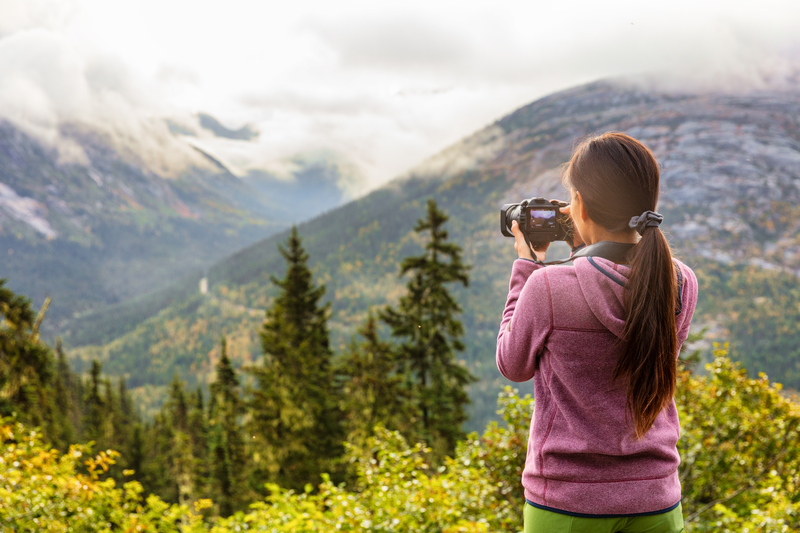
Heading out on your first solo backpacking trip is exciting and empowering. Whether you are exploring nearby trails or venturing into far‑off destinations, being prepared can make your adventure smoother and more enjoyable. Below are key travel tips every first‑time solo backpacker should know.
Plan Your Trip Ahead
Before you leave home, research your destination, transportation options, and accommodations. Decide on the length of your trip, the terrain you’ll encounter, and how you’ll get from place to place. Planning your route and major activities helps reduce stress, especially on your first solo adventure. It’s also helpful to make a loose itinerary with flexibility in case plans change unexpectedly.
Choose Easy Routes for Your First Solo Backpacking Trip
As a beginner, choose trails and destinations that are well‑marked and popular with other hikers. This provides a safer environment and reduces the pressure of navigating difficult terrain alone. Starting with shorter, easier trails lets you build confidence and skills before taking on more challenging backpacking routes.
Pack Smart and Travel Light
Packing efficiently is crucial for solo backpackers. Focus on essentials like weather‑appropriate clothing, a reliable backpack, sturdy shoes, first‑aid supplies, navigation tools, and enough food and water for your trip. Bringing only what you need reduces fatigue and allows you to move more easily.
Safety First: Let Someone Know Your Plans
Always share your backpacking plan with a trusted friend or family member including your route, estimated return time, and any important contacts. In case of emergency, someone will know where you planned to be and when. Keeping them updated while on your trip adds an extra layer of safety.
Start Small and Build Confidence
Your first backpacking experience doesn’t need to be the most extreme. Starting with shorter hikes and familiar areas allows you to get comfortable being on your own outdoors. Once you feel confident, you can explore longer trips and more remote terrain.
Stay Flexible and Adaptable
Even with good planning, conditions can change weather shifts, canceled transportation, or unexpected trail closures. Stay flexible and open to adjusting your plans as needed. Having a flexible mindset helps you stay calm and make better decisions while traveling alone.
Enjoy the Journey and Embrace the Experience
Solo backpacking isn’t just about reaching a destination it’s about the experiences along the way. Take time to enjoy your surroundings, meet other travelers, and reflect on your adventure. Backpacking solo helps you grow in confidence and independence, and every step is part of that story.