
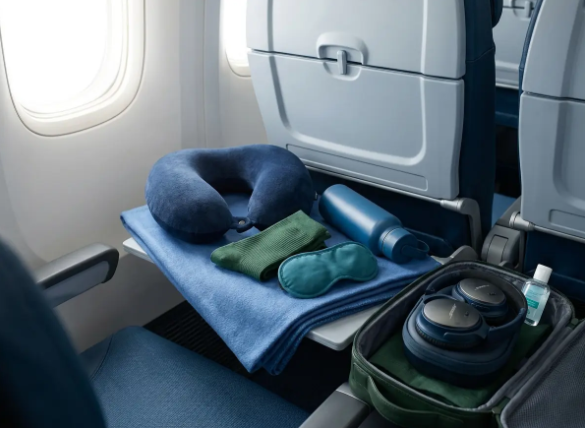
Flying across the country or internationally requires strategic planning to maintain your comfort and productivity with the right airplane travel essentials. Packing the right gear transforms a grueling long-haul flight into a manageable, even pleasant, experience for every modern passenger. You need a systematic approach to what goes into your carry-on bag and overall travel gear before heading to the airport.
Airlines continually adjust their baggage policies and cabin amenities, shifting more responsibility onto the passenger for their own comfort. Preparing a well-thought-out personal item essentials kit allows you to control your immediate environment at 35,000 feet. Have you ever considered how your packing choices directly impact your physical condition upon arrival at your destination?
Understanding cabin dynamics helps you select items that provide genuine value rather than unnecessary bulk in your luggage. From maintaining hydration to blocking out engine noise, your preparation dictates your recovery time after landing. Let us examine the precise long-haul flight must-haves that frequent travelers rely on for optimal transit experiences.
Before you even board the aircraft, you must organize your foundational travel documents securely within your reach. Modern travelers balance digital convenience with physical backups to protect against unexpected technological failures or dead batteries. Keeping these critical items accessible prevents unnecessary stress at security checkpoints and crowded boarding gates throughout the terminal.
According to the Transportation Security Administration, streamlined document presentation significantly reduces wait times for everyone in line. You should keep your government-issued identification, boarding passes, and passport in a dedicated travel wallet for organization. This physical redundancy protects you if your smartphone battery dies during a chaotic long layover or international transit.
Consider investing in RFID-blocking travel accessories to protect your sensitive credit card information in busy terminals. Frequent flyers often keep a printed itinerary featuring confirmation numbers and hotel addresses tucked inside their personal item. This simple backup plan saves considerable time if airport cellular networks become congested upon your arrival in a new city.
TSA PreCheck and Global Entry: Carry-on Packing List for Security
United States citizens benefit immensely from trusted traveler programs that expedite the security screening process for domestic flights. You should store your Known Traveler Number securely within your airline profiles to guarantee the indicator appears on your boarding pass. Missing this crucial detail means joining the standard security line despite paying for the expedited service and TSA-approved convenience.
Maintain awareness of your membership expiration dates, as government renewals often require several months for processing and approval. Keep your physical Global Entry card in your wallet, as some land borders and airports require the physical card for processing. These programs represent some of the most valuable airplane travel essentials for domestic and international routing efficiency.
- Maintain both digital and physical copies of all critical travel documents to prevent travel disruptions.
- Verify your Known Traveler Number is attached to your reservation before checking in online.
- Utilize a dedicated travel wallet to consolidate identification and boarding passes for quick access.
Long-Haul Flight Must-Haves: Cabin Comfort for Physical Well-being
Aircraft cabins present a hostile environment for the human body due to low humidity and pressurized air. Mitigating these physical stressors requires specific airplane travel essentials focused entirely on your biological and comfort needs. Proper preparation prevents the deep fatigue and muscle stiffness commonly associated with long-haul aviation and extended sitting.
Commercial airline cabins typically maintain humidity levels around 10 to 20 percent, which is drier than most deserts. The Centers for Disease Control and Prevention recommends increasing water intake significantly while flying to maintain health. You must pack a collapsible, reusable water bottle to bypass expensive terminal vendors and stay hydrated throughout your journey.
Beyond internal hydration, your skin requires external moisture to combat the intensely dry recirculated air in the cabin. Pack a heavy-duty moisturizer and a small tube of lip balm in your clear liquids bag for easy access. Applying these products regularly during the flight prevents the uncomfortable skin tightness that plagues many unprepared passengers.
Ergonomic Support Systems and Flight Comfort Items
Standard economy seats offer minimal lumbar and cervical support, leading to posture degradation during extended flights. A high-quality travel pillow ranks among the most critical airplane travel essentials for preventing neck strain during transit. Memory foam options that wrap entirely around the neck provide superior stabilization compared to traditional U-shaped designs.
Do not ignore your lower back, as prolonged sitting compresses the lumbar spine and restricts blood flow. Roll up a heavy sweater or use an inflatable lumbar cushion to maintain the natural curve of your spine. Combine this support with graduated compression socks to promote healthy circulation in your lower extremities while flying.
Drink eight ounces of water for every hour you spend in the air. Avoid alcohol and heavy caffeine consumption, as these beverages accelerate dehydration in pressurized cabin environments.
Must-Have Travel Gear: Technology and Productivity Essentials
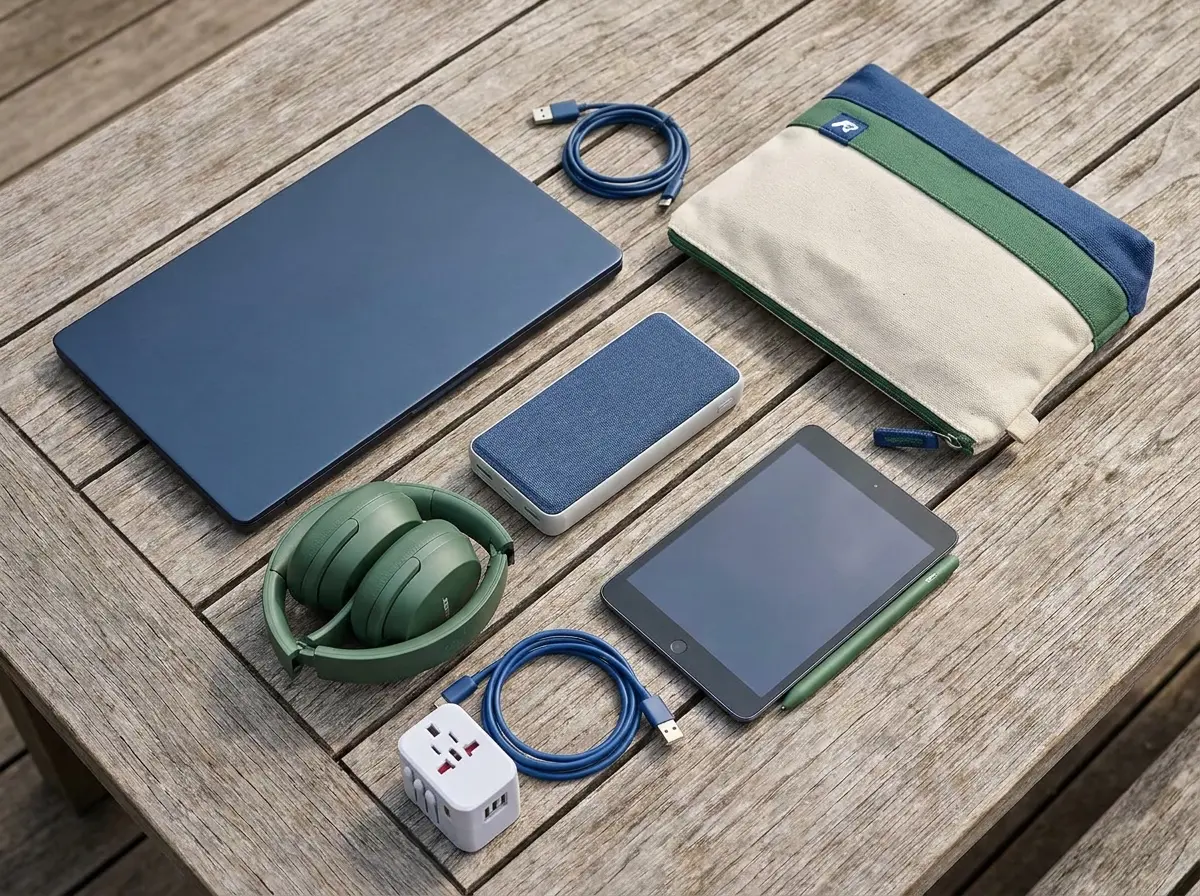
Modern air travel presents an excellent opportunity for uninterrupted work or focused entertainment if you pack correctly. Your digital ecosystem requires reliable power sources and robust audio isolation to function effectively at high altitude. Assembling the right technological airplane travel essentials keeps you connected and relaxed from departure to arrival.
Active noise-canceling headphones are arguably the most transformative piece of technology you can bring on an aircraft. Why should you suffer through the exhausting roar of jet engines for six continuous hours of flight? The World Health Organization notes that reducing constant background noise significantly lowers travel-induced fatigue and stress.
Never rely on the aircraft to provide functional power outlets or USB charging ports at your seat. Pack a high-capacity power bank capable of charging your smartphone at least three times completely during your trip. Store all charging cables in a dedicated electronics organizer to prevent tangled wires inside your personal item bag.
Offline Entertainment and Personal Item Essentials
In-flight Wi-Fi remains notoriously unreliable and frequently lacks the bandwidth required for streaming video content at cruising altitude. You must download your movies, podcasts, and important work documents to your local hard drive before leaving home. This offline preparation guarantees you have access to your preferred media regardless of the aircraft’s connectivity status.
Consider bringing a dedicated tablet pre-loaded with reading material and entertainment options to save your laptop battery. A universal Bluetooth transmitter allows you to connect your wireless headphones to the seatback entertainment system easily. This small adapter eliminates the need to use the low-quality wired headsets provided by the airline for passengers.
How to Pack Your Personal Item for Quick Access
1. Categorize by Access Frequency
Group your items based on how often you will need them during the flight. Place your headphones and tablet near the top zipper for immediate retrieval after boarding.
2. Utilize Internal Pouches
Contain small items like charging cables, lip balm, and hand sanitizer in separate zippered pouches. This prevents loose objects from migrating to the bottom of your bag and creating clutter.
3. Position Heavy Items Strategically
Place your laptop and power bank against the back panel of the bag closest to your body. This weight distribution improves carrying comfort while walking through expansive airport terminals.
In-flight Wellness: Health, Hygiene, and Your Emergency Kit Essentials
Maintaining personal hygiene during transit helps you feel refreshed upon reaching your final destination after a long journey. A compact hygiene kit contains the specific airplane travel essentials required to combat the general grime of public transportation. These small interventions make a substantial difference in your comfort level during long layovers or delayed flights.
Pack travel-sized antibacterial wipes to sanitize your tray table, armrests, and seatbelt buckle immediately upon boarding the plane. Commercial aircraft turnaround times frequently limit the thoroughness of cabin cleaning between flights in busy hubs. Taking personal responsibility for your immediate seating area reduces your exposure to common pathogens during your trip.
Are you prepared to handle a sudden headache at cruising altitude without access to a pharmacy? Include basic medications like ibuprofen, antacids, and any prescription drugs in your carry-on luggage for safety. Checked baggage occasionally goes missing, and you do not want to be separated from critical health supplies.
Airborne Immunity Defense and Airplane Travel Essentials
The proximity to hundreds of other passengers increases your risk of encountering respiratory viruses during your travels. High-quality filtering masks, such as N95 or KN95 respirators, offer significant protection in crowded boarding areas and jet bridges. While cabin air filtration systems are highly effective, they do not protect you from the person coughing in the adjacent seat.
Eye drops formulated for dry eyes alleviate the irritation caused by hours of reading in low humidity environments. Saline nasal spray helps keep your mucous membranes moist, which serves as your body’s first line of defense against bacteria. These small medical airplane travel essentials occupy minimal space but provide massive relief during extended journeys.
- Disinfect your immediate seating area with antibacterial wipes before settling in.
- Keep all essential medications and prescriptions in your personal item, never in checked luggage.
- Utilize saline sprays and eye drops to maintain mucous membrane moisture in dry cabins.
Carry-on Packing List: Wardrobe Selection and Climate Control
Selecting the appropriate travel outfit requires balancing security checkpoint convenience with in-flight comfort for long durations. Aircraft cabin temperatures fluctuate wildly, shifting from sweltering during boarding to freezing at cruising altitude without warning. Your clothing choices represent wearable airplane travel essentials that dictate your physical comfort throughout the entire trip.
Strategic layering provides the most effective defense against unpredictable cabin climates and changing weather at your destination. Start with a breathable, moisture-wicking base layer made from merino wool or high-quality synthetic blends. Avoid pure cotton, as it retains sweat and will leave you feeling chilled once the cabin temperature drops.
Wear slip-on shoes to accelerate your progress through the security screening process and terminal walks. Your feet will naturally swell during the flight, so choose footwear that offers some expansion room for comfort. Pack a pair of thick, warm socks in your personal item to wear while resting in your seat.
Outerwear Management and Travel Gear for Versatility
A versatile jacket serves multiple purposes for the frequent traveler navigating different climates and airport environments. Choose a lightweight, compressible jacket that can double as a blanket or an improvised lumbar support if necessary. Wearing your bulkiest clothing item onto the plane also frees up valuable space inside your carry-on packing list.
Consider garments with interior zippered pockets to securely hold your passport and smartphone while moving through the terminal. This eliminates the need to constantly dig through your bag while managing luggage and boarding passes at the gate. Functional travel clothing seamlessly integrates with your other airplane travel essentials to create a frictionless travel experience.
Conclusion: Finalizing Your Airplane Travel Essentials
Mastering the art of packing requires evaluating which items truly improve your journey and overall well-being. The best airplane travel essentials address specific challenges related to comfort, productivity, and physical health during transit. Refining your packing list allows you to move through crowded airports and long flights with professional efficiency.
Consistency remains the most important factor in developing a stress-free travel routine for frequent flyers. Keep your travel wallet, electronics organizer, and hygiene kit packed and ready for immediate deployment at any time. This proactive approach eliminates the frantic last-minute packing that frequently results in forgotten necessities and increased travel stress.
Ultimately, your personal item should function as a self-contained survival kit for the duration of your flight. By prioritizing hydration, ergonomic support, and reliable technology, you protect your physical and mental energy for arrival. Invest in high-quality travel gear, and you will arrive at your destination ready to tackle your itinerary.