
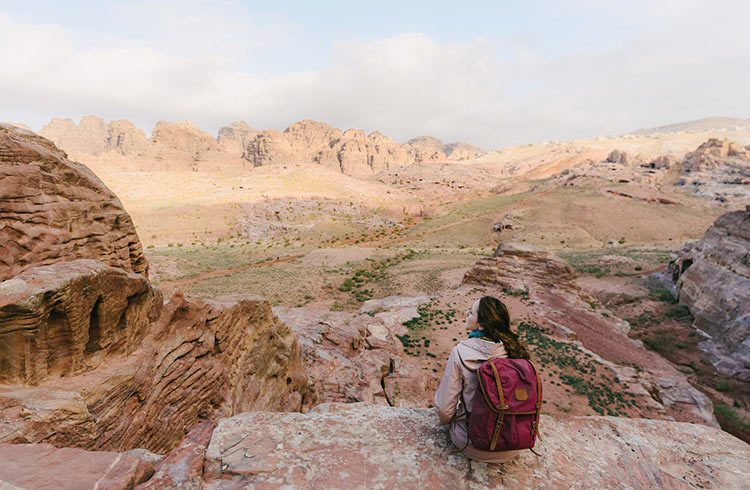
Traveling solo as a woman in the Middle East can be an incredibly rewarding experience. The region is rich in culture, history, and breathtaking landscapes. While many destinations are safe and welcoming, it’s important to be aware of cultural norms and take practical precautions to ensure a smooth and secure journey.
This guide provides essential safety tips to help solo female travelers explore the Middle East confidently and responsibly.
Understanding the Region
The Middle East is diverse, with each country offering different levels of openness, laws, and social expectations. Popular destinations like the UAE, Jordan, and Qatar are generally considered safe for tourists, while others may require more caution.
Key points:
- Safety levels vary by country
- Cultural norms are more conservative than in Western countries
- Respect for local customs is essential
Dress Modestly and Respect Local Culture
One of the most important safety tips is dressing appropriately.
Guidelines:
- Wear loose-fitting clothing that covers shoulders and knees
- Carry a scarf for visiting religious sites
- Avoid overly revealing outfits
Dressing modestly not only shows respect but also helps you blend in and avoid unwanted attention.
Choose Safe Accommodation
Where you stay plays a big role in your safety.
Tips:
- Book well-reviewed hotels or hostels
- Choose central, well-lit areas
- Look for accommodations with 24/7 reception
Reading recent reviews from other female travelers can provide helpful insights.
Use Trusted Transportation
Getting around safely is crucial when traveling solo.
Best practices:
- Use official taxis or ride-hailing apps
- Avoid unlicensed drivers
- Share your ride details with someone you trust
Public transportation is generally safe in major cities, but always stay alert.
Stay Connected
Keeping in touch with family or friends adds an extra layer of security.
What to do:
- Share your itinerary with someone back home
- Check in regularly
- Keep your phone charged at all times
Consider using local SIM cards or portable Wi-Fi devices.
Be Aware of Local Laws and Customs
Laws in the Middle East can differ significantly from other regions.
Important considerations:
- Public displays of affection may be restricted
- Alcohol consumption is regulated in some countries
- Photography of certain places or people may not be allowed
Researching local laws before traveling helps you avoid unnecessary issues.
Trust Your Instincts
Your intuition is one of your best safety tools.
- Avoid situations that feel uncomfortable
- Don’t hesitate to leave if something seems off
- Stay in public, well-populated areas whenever possible
Limit Sharing Personal Information
While meeting new people can be part of the travel experience, it’s important to stay cautious.
Tips:
- Avoid sharing your hotel details with strangers
- Be mindful of what you post on social media in real time
- Keep conversations friendly but not overly personal
Plan Activities Carefully
Many Middle Eastern destinations offer exciting experiences, from cultural tours to desert adventures. When booking activities:
- Choose licensed tour operators
- Read reviews beforehand
- Avoid isolated or poorly organized tours
For example, if you’re planning experiences like Top Adventure Activities to Try in Dubai Desert Safari, ensure you book through reputable providers with strong safety standards.
Keep Emergency Contacts Handy
Always be prepared for unexpected situations.
Essentials:
- Local emergency numbers
- Contact details of your country’s embassy
- Hotel contact information
Having these ready can save valuable time in emergencies.
Pack Smart for Safety
A few essential items can enhance your safety while traveling.
Recommended items:
- Portable charger
- Anti-theft bag
- Copies of important documents
- Basic first aid kit
Being prepared helps you handle minor issues independently.
Common Mistakes to Avoid
- Ignoring local customs
- Traveling alone at night in unfamiliar areas
- Accepting rides from strangers
- Overpacking valuables
- Not researching destinations in advance
Avoiding these mistakes will significantly improve your travel experience.
FAQs
1. Is the Middle East safe for solo female travelers?
Yes, many countries are safe, especially popular tourist destinations, but it’s important to follow safety guidelines and respect local customs.
2. What should women wear while traveling in the Middle East?
Modest clothing that covers shoulders and knees is generally recommended.
3. Can I travel alone at night?
It’s best to avoid isolated areas at night and stick to well-lit, busy locations.
4. Are taxis safe for solo female travelers?
Yes, if you use licensed taxis or trusted ride-hailing apps.
5. How can I stay connected while traveling?
Use a local SIM card or portable Wi-Fi and keep in regular contact with someone you trust.
6. Do I need to learn the local language?
Not necessarily, but learning basic phrases can be helpful and appreciated.
Final Thoughts
Solo travel in the Middle East can be a safe and enriching experience when approached with awareness and preparation. By respecting cultural norms, staying alert, and planning ahead, you can explore the region with confidence.