

Planning a vacation requires significant financial investment and months of careful preparation. Weather events, sudden illness, or airline strikes can quickly disrupt those carefully laid plans. Purchasing travel insurance protects your financial investment and provides vital assistance during emergencies abroad. When you buy travel insurance, you are essentially securing a safety net for your hard-earned money and your physical well-being. Finding travel insurance online has become the standard method for modern voyagers seeking comprehensive protection. Many travel insurance companies now offer tailored solutions that cater to specific destinations and activity levels. Furthermore, many travelers refer to this protection as trip insurance, a term that emphasizes the security of the entire journey from departure to return. This comprehensive approach ensures that every aspect of your itinerary remains protected against the unpredictable nature of global transit.
Do you actually need to purchase a protection plan for your next vacation? A standard travel insurance policy acts as a contract between you and the insurance provider to mitigate financial risks. Most plans include a variety of benefits ranging from reimbursement for lost luggage to trip interruption coverage. When you calculate your total trip cost, including flights and hotels, the value of an insurance policy becomes immediately apparent. Whether you are embarking on a single trip or frequent journeys, understanding the insurance benefits is the first step toward a secure adventure. A comprehensive travel insurance package ensures that you are not left footing the bill for unforeseen circumstances beyond your control.
The primary goal of any travel insurance arrangement is to provide peace of mind during your travels. Most travel insurance plans are designed to handle the logistical nightmares that can occur when you are far from home. By securing a travel insurance policy, you gain access to 24-hour assistance services that can help with language barriers or lost documents. This travel insurance coverage is particularly important for international trips where local systems may be difficult to navigate. You should always review the plan details to ensure that the specific risks of your destination are adequately addressed. Ultimately, travel insurance is an investment in your personal security and financial stability while exploring the world.
Modern policies have evolved to cover a wide array of modern travel concerns, including cyber theft and identity recovery. Many travelers mistakenly believe that their standard credit card benefits provide sufficient protection for major international excursions. While some cards offer basic perks, they rarely match the depth of a dedicated travel insurance product. A professional policy provides a legal framework for reimbursement that is far more robust than complimentary bank services. Understanding the difference between these options is crucial for anyone planning a high-stakes or expensive holiday. By choosing a dedicated plan, you ensure that your specific needs are prioritized by the insurance company.
Emergency Medical Insurance and Evacuation Insurance Strategies
Health concerns are often the most significant worry for travelers heading to remote or international locations. While your domestic health insurance might offer some limited coverage, it rarely provides full medical coverage outside your home country. This is where medical insurance specifically designed for travel becomes an absolute necessity for every international voyager. A robust travel insurance plan will offer emergency medical benefits that cover hospital stays, surgeries, and physician consultations. Without this medical insurance, a simple accident could result in tens of thousands of dollars in out-of-pocket expenses. Furthermore, medical benefits under these plans often include direct payment to hospitals, which simplifies the treatment process significantly.
In more severe cases, evacuation insurance becomes the most critical component of your travel insurance portfolio. If you are injured in a location without adequate facilities, medical evacuation services will transport you to a high-quality hospital. This evacuation insurance can even cover the cost of a private air ambulance, which is otherwise prohibitively expensive for most individuals. When you buy travel insurance, ensure that the medical evacuation limit is high enough to cover long-distance transport. Many travel insurance providers recommend at least $250,000 in evacuation coverage for trips to remote areas or developing nations. Having this travel insurance protection ensures that you receive the best possible care regardless of where your journey takes you.
The logistics of medical repatriation are complex and require professional coordination between international medical teams and aviation experts. A quality travel insurance plan includes a medical director who oversees your care and approves necessary transport. This oversight ensures that you are not only moved safely but also sent to a facility capable of treating your specific condition. In many cases, foreign medical facilities require immediate proof of insurance before they will even begin the admission process. Without a verified medical insurance document, you may face significant delays in receiving life-saving treatment. Therefore, the medical component of your policy is arguably the most vital part of your entire travel strategy.
How to Compare Travel Insurance: How to Compare Plans and Compare Travel Options
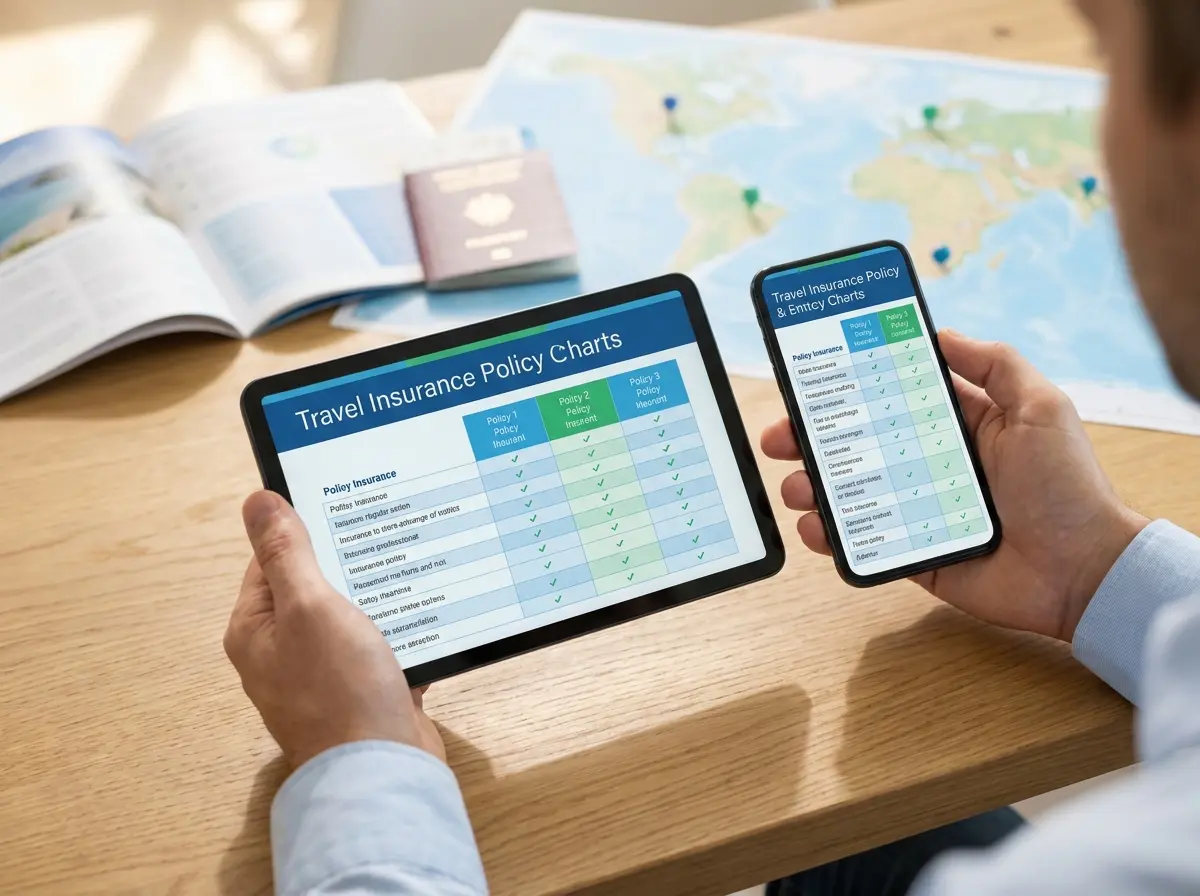
With so many options available, it is essential to compare travel insurance plans before making a final commitment. You should compare travel options by looking at coverage limits, deductibles, and the reputation of the insurance company. When you compare plans, pay close attention to how they handle pre-existing conditions, as this can vary wildly between providers. To compare travel insurance effectively, use online comparison tools that allow you to view multiple quotes side-by-side. These tools help you find the lowest price while still maintaining the high level of travel insurance coverage you require. Taking the time to compare travel insurance ensures that you do not pay for unnecessary extras while missing vital protections.
During your search, you will find that travel insurance comes in many different forms and price points. Some travel insurance plans are basic and budget-friendly, while others offer “cancel for any reason” upgrades for maximum flexibility. As you compare travel insurance, consider the specific trip details such as your destination’s safety record and the cost of local healthcare. A good insurance provider will offer transparent terms and an easy-to-understand travel insurance summary. By performing a thorough compare travel insurance analysis, you can identify which insurance companies offer the best value for your specific itinerary. Remember that the most expensive travel insurance is not always the best, but the cheapest may leave you underinsured.
Professional comparison websites often provide a “Free Look Period,” which allows you to review the full policy wording after purchase. During this window, typically lasting ten to fifteen days, you can cancel the policy for a full refund if it fails to meet your needs. This feature is essential for travelers who want to dive deep into the fine print before fully committing their funds. When you compare travel insurance, look for reviews that specifically mention the ease of the claims process. A company might offer a low premium but have a reputation for denying legitimate claims through overly complex paperwork. Prioritizing transparency and customer feedback will lead you to a more reliable travel insurance partner for your journey.
Understanding Trip Cancellation and Trip Cancel: Managing Travel Delays
One of the most utilized features of travel insurance is the trip cancellation benefit. If you need to trip cancel due to a covered reason, such as a family emergency or illness, you can recover your non-refundable trip expenses. This cancellation coverage is vital because many airline tickets and hotel bookings are strictly non-refundable. When you experience travel delays, your travel insurance can also reimburse you for meals and accommodations during the wait. The trip cancellation protection usually kicks in if the delay exceeds a certain number of hours, such as six or twelve. Understanding the nuances of trip cancellation and trip cancel provisions will help you set realistic expectations for your travel insurance claim.
Beyond simple cancellations, travel insurance also addresses the complexities of trip interruption. If you are already on your vacation and must return home early, travel insurance can cover the cost of a last-minute flight. This trip cancellation and trip cancel logic extends to delay coverage, which helps when missed connections cause you to lose out on prepaid tours. Most travel insurance policies require documentation, such as a doctor’s note or a carrier report, to process these claims. By having travel insurance, you are protected against the “what ifs” that could otherwise ruin your financial planning. The peace of mind provided by trip cancellation coverage allows you to book your dream vacation with much greater confidence.
Travel delays can be triggered by a variety of factors, including severe weather, mechanical failure of an aircraft, or even unannounced labor strikes. A robust travel insurance policy will define exactly which scenarios qualify for reimbursement under the delay benefit. For instance, if your flight is delayed by more than six hours, you might be eligible for $200 per day to cover hotel costs. This benefit is particularly useful for those traveling through major hubs where weather disruptions are frequent and unpredictable. By understanding the specific triggers for trip cancellation and trip cancel benefits, you can navigate airport chaos with much less stress. Ultimately, travel insurance serves as your financial buffer against the inefficiencies of the global transportation network.
Navigating Trip Cancellation and Trip Cancel: Understanding Travel Insurance Plans Exclusions
While travel insurance is comprehensive, it is not a “catch-all” for every possible problem you might encounter. Every travel insurance policy contains specific exclusions that you must understand before you buy travel protection. For instance, trip cancellation and trip cancel benefits usually do not apply to foreseeable events like a known tropical storm. Many travel insurance plans also exclude high-risk activities like skydiving or professional sports unless you purchase a specific rider. It is also common for travel insurance to exclude claims related to pre-existing conditions if the policy was purchased too late. Reading the fine print of your travel insurance document is the only way to avoid surprises during the claims process.
Another common exclusion in travel insurance involves incidents occurring while under the influence of alcohol or illegal substances. Insurance companies generally will not pay for medical insurance claims if the injury resulted from reckless behavior. Additionally, trip cancellation and trip cancel claims may be denied if the reason for canceling is simply a change of heart. To get around this, some travel insurance providers offer “Cancel for Any Reason” (CFAR) upgrades, though these are more expensive. Always check if your travel insurance covers travel to countries with active government travel warnings, as these are often excluded. Being aware of these travel insurance limitations allows you to plan more effectively and avoid unnecessary risks.
The “look-back period” is a critical concept in travel insurance that determines how pre-existing conditions are handled by the provider. Typically, an insurance company will review your medical history for the 60 to 180 days prior to the policy purchase date. If you received treatment for a condition during this time, it may be excluded from your medical insurance coverage. However, many travel insurance plans offer a waiver for this exclusion if you purchase the policy within a specific timeframe after your initial deposit. Understanding these technicalities is essential for older travelers or those with chronic health issues who require reliable travel insurance. By being proactive, you can secure a waiver that ensures your health history does not prevent you from receiving care.
Essential Trip Cancellation and Trip Cancel: Travel Protection for Your Assets
Your physical belongings are just as important as your financial investment when it comes to travel protection. A solid travel insurance plan provides coverage for lost, stolen, or damaged baggage throughout your entire journey. If your bags are delayed by the airline, travel insurance can provide funds for essential items like clothing and toiletries. This travel protection is especially useful when you are traveling with expensive electronics or specialized gear. However, be aware that travel insurance often has a “per-item” limit that may not cover the full value of a high-end laptop. You might need to list specific valuables on your travel insurance policy to ensure they are fully protected.
In addition to baggage, travel insurance often covers the loss of important travel documents like passports and visas. The travel protection benefits can assist with the costs of replacing these items and the travel expenses required to reach an embassy. If you have to trip cancel or trip cancel your plans because your passport was stolen right before departure, some travel insurance plans may offer reimbursement. This layer of travel insurance is essential for those traveling to areas where petty theft is common. By choosing a travel insurance plan with strong personal property coverage, you can explore new cities without constant fear for your belongings. Always keep receipts for expensive items to make the travel insurance claims process smoother and faster.
Many travel insurance policies act as secondary coverage, meaning they pay out after your primary homeowners or renters insurance has been exhausted. It is important to check if your travel insurance offers “primary” baggage coverage, which simplifies the claims process significantly. Primary coverage allows you to file directly with the travel insurance provider without involving your other insurance companies first. This can save you from potential premium increases on your home policy due to a small travel-related claim. Furthermore, some travel insurance plans include specific protection for rental car damage, which can be a cost-effective alternative to expensive agency waivers. Protecting your assets through travel insurance ensures that a single theft doesn’t derail your entire vacation budget.
Evaluating Insurance Plan Costs: Evaluating Insurance Plans for Your Trip
The cost of an insurance plan is typically a small percentage of your total trip expenses, usually ranging from 4% to 10%. Insurance companies determine the premium based on your age, the length of your trip, and the total trip cost. When evaluating different insurance plans, you should consider whether the premium justifies the potential payout in an emergency. For a high-cost non-refundable trip, a more expensive travel insurance plan with better benefits is usually the wiser choice. You can often find the lowest price by opting for a higher deductible or choosing a single trip policy over an annual one. However, never sacrifice essential travel insurance coverage just to save a few dollars on the initial premium.
It is also worth considering annual travel insurance if you plan on taking multiple trips within a twelve-month period. An annual travel policy can be much more cost-effective than buying a separate insurance plan for every individual getaway. These insurance plans provide continuous travel insurance coverage, which is perfect for spontaneous travelers or business professionals. When you buy travel insurance, the insurance company will provide a quote based on the highest-risk destination you plan to visit. Many travel insurance providers also offer family plans that cover children at a discounted rate or even for free. By understanding how travel insurance pricing works, you can find a plan that fits both your budget and your protection needs.
Age is one of the most significant factors influencing the cost of travel insurance, with premiums often increasing sharply after age 65. This is because insurance companies statistically observe higher rates of medical claims among older travelers. However, even for seniors, the cost of travel insurance is negligible compared to the potential cost of a foreign hospital stay. Some providers specialize in senior travel and offer more competitive rates for those in higher age brackets. When you buy travel insurance, be sure to accurately report your age and health status to ensure the policy remains valid. Investing in a quality insurance plan is the most responsible way to manage the financial risks associated with aging and international exploration.
When to Buy Travel Insurance: When to Buy Travel and Select an Insurance Plan
Timing is everything when you decide to buy travel protection for your upcoming vacation. You should ideally buy travel insurance as soon as you make your first trip deposit to maximize your coverage window. Purchasing an insurance plan early often makes you eligible for benefits like pre-existing conditions waivers. If you wait until the last minute to buy travel insurance, you might find that certain trip cancellation benefits are no longer available. Most insurance companies require you to purchase the insurance plan within 14 to 21 days of your initial payment to get the best terms. This proactive approach to travel insurance ensures that you are covered from the moment you start spending money on your trip.
Even if you have already started your journey, some travel insurance providers allow you to purchase coverage, though options will be limited. It is always better to buy travel insurance before you leave home to ensure there are no gaps in your travel protection. When you buy travel services, keep all your trip details and receipts organized to facilitate the travel insurance application. Many travelers forget that travel insurance can also cover the period between booking and departure, not just the trip itself. By securing your travel insurance early, you protect yourself against events that might happen weeks before you even pack your bags. This strategy is the hallmark of a savvy traveler who understands the value of a comprehensive travel insurance strategy.
Financial default coverage is another reason to buy travel insurance early in the planning process. This benefit protects you if your airline, cruise line, or tour operator ceases operations due to financial insolvency. Most travel insurance plans require you to have purchased the policy at least 14 days before the default occurs to be eligible for a claim. This protection is vital in an era where travel providers can face sudden economic challenges. By securing your travel insurance early, you are essentially insulating your investment from the business risks of the companies you have hired. A well-timed purchase is the most effective way to ensure that your trip insurance provides the maximum possible utility.
Top Travel Insurance Companies: How Insurance Companies Evaluate Risk
Choosing between various travel insurance companies requires a look at their financial stability and customer service record. Reputable insurance companies should have high ratings from independent agencies like A.M. Best, which evaluates their ability to pay claims. You want an insurance provider that is known for paying claims fairly and providing award-winning customer support during crises. Many travel insurance providers specialize in different niches, such as adventure travel, senior travel, or luxury cruises. When you research travel insurance companies, read reviews from other travelers to see how they handled real-world emergencies. A reliable insurance company will be a partner in your safety, not just a faceless entity that collects premiums.
The best travel insurance companies offer 24/7 global assistance hotlines staffed by experts who can coordinate medical care. These insurance companies often have established relationships with hospitals and medical evacuation services worldwide. When you select an insurance provider, check if they offer a mobile app for easy access to your travel insurance documents. Some travel insurance providers even offer real-time alerts about weather or political unrest in your destination. By choosing one of the top-tier travel insurance companies, you ensure that you have professional help just a phone call away. Ultimately, the quality of your travel insurance experience depends heavily on the integrity and resources of the insurance company you choose.
The role of a Third Party Administrator (TPA) is often overlooked when selecting between travel insurance companies. These organizations handle the actual processing of claims and the coordination of emergency services on behalf of the insurer. A company with a highly-rated TPA will often provide a much smoother experience when you are in the middle of a crisis. You should look for travel insurance providers that have a global footprint and local offices in the regions you plan to visit. This local presence can be invaluable when dealing with foreign hospital administrators or local law enforcement. Choosing a company with a robust assistance network is the best way to ensure your travel insurance works when it matters most.
How to Buy Travel Insurance Online: Using Travel Insurance Online Resources
The most efficient way to secure coverage is to buy travel insurance online through a trusted comparison website or directly from a provider. When you use travel insurance online platforms, you can easily customize your travel insurance plan to fit your specific needs. You can buy travel protection in a matter of minutes, receiving your travel insurance policy documents via email instantly. Shopping for insurance online allows you to read the full policy wording at your own pace without pressure from a salesperson. Many travel insurance sites also feature live chat support to answer any questions you have about trip cancellation or medical insurance. This digital approach to travel insurance is both convenient and highly effective for busy travelers.
When you buy travel insurance online, make sure the website is secure and that you are dealing with a licensed insurance provider. Most travel insurance online portals will ask for your age, destination, and trip cost to generate an accurate quote. You can then add optional riders to your travel insurance, such as rental car coverage or “cancel for any reason” benefits. After you buy travel insurance, it is a good idea to print a copy of your travel insurance ID card and keep it in your carry-on bag. Having your travel insurance information easily accessible can save precious time in an emergency. The ease of travel insurance online shopping has made it simpler than ever to protect your global adventures.
The user experience of travel insurance online portals has improved significantly, offering intuitive quote engines that guide you through the selection process. You can easily toggle different coverage levels to see how they impact your final premium in real-time. This transparency allows you to find the perfect balance between cost and protection without any guesswork. Most travel insurance websites also provide detailed FAQs and blog resources to help you understand complex terms like “primary vs. secondary coverage.” By utilizing these digital tools, you can become a more informed consumer and select a policy that truly fits your itinerary. The convenience of travel insurance online resources is a major advantage for the modern, tech-savvy explorer.
Managing Insurance Online: Working with Insurance Companies on Claims
If the worst happens and you need to use your travel insurance, knowing how to file a claim is essential. Most insurance companies now allow you to start the claims process through their insurance online portal. You will need to provide documentation such as medical reports, police statements, or proof of travel delays from the airline. The insurance company will assign a claims adjuster to review your case and determine the payout based on your travel insurance terms. Having award-winning customer service at your disposal can make this potentially stressful process much more manageable. Always keep a detailed log of all expenses and communications related to your travel insurance claim.
Promptness is key when dealing with travel insurance companies regarding a claim. You should notify your insurance provider as soon as possible after the incident occurs to ensure you meet all deadlines. Many travel insurance policies have a specific window, such as 90 days, within which you must submit your claim. If you are using insurance online tools, you can often track the status of your travel insurance claim in real-time. Be prepared to provide additional information if the insurance company requests it to verify the covered reason for your claim. A successful travel insurance claim can reimburse you for thousands of dollars, making the initial effort of documentation well worth it.
The “Explanation of Benefits” (EOB) is a document you will receive after your claim has been processed by the insurance company. This statement outlines what was covered, what was denied, and the specific reasons for those decisions based on your travel insurance policy. If you disagree with the outcome, most travel insurance companies have a formal appeal process that you can initiate. Providing additional evidence or a more detailed narrative of the event can often lead to a reconsideration of a denied claim. Maintaining a professional and organized approach throughout the claims process is the best way to ensure a favorable result. Your travel insurance is a legal contract, and you have the right to a fair and thorough review of your case.
Reliable Travel Insurance Companies: Final Thoughts on Travel Insurance
In conclusion, travel insurance is an indispensable tool for any modern traveler who values their financial security and health. From trip cancellation protection to medical evacuation coverage, the benefits of a solid travel insurance plan are numerous. By taking the time to compare travel insurance and select the right insurance provider, you can travel with total confidence. Whether you choose a single trip policy or annual travel insurance, the goal remains the same: protecting your journey. The travel insurance companies of today offer more flexibility and comprehensive travel protection than ever before. Don’t leave your next annual travel experience to chance; secure your travel insurance today.
As you prepare for your next departure, remember that travel insurance is just as important as your passport or your plane ticket. The small cost of an insurance plan is a minor price to pay for the extensive insurance cover it provides. By utilizing travel insurance online resources, you can find the perfect travel insurance match for your unique travel style. Whether you are worried about travel delays or major medical emergencies, there is a travel insurance solution available for you. Trust in the expertise of reputable travel insurance companies to keep you safe while you explore the wonders of the world. Your future self will thank you for the foresight of having a robust travel insurance policy in place.
Ultimately, the psychological benefits of having travel insurance are just as valuable as the financial ones. Knowing that you have a global network of experts ready to assist you allows you to fully immerse yourself in your destination. You can take that remote hiking trip or book that luxury cruise knowing that your trip insurance has your back. The world is full of surprises, and while we hope for the best, it is always wise to prepare for the unexpected. By making travel insurance a non-negotiable part of your planning process, you ensure that your memories remain positive, regardless of the hurdles you may face. Safe travels are not just about the destination, but about the security you carry with you every step of the way.