
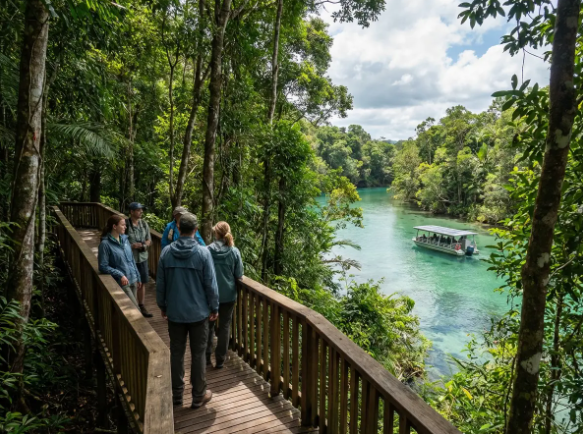
Ecological tourism represents a fundamental shift in how modern travelers choose to explore the globe, moving away from high-impact consumption toward a more restorative mindset. Traditional mass vacations often strain fragile destinations through severe overcrowding, excessive waste, and rapid resource depletion, leading to significant negative impacts on the very beauty people wish to see. Today, conscious explorers actively seek alternative methods to minimize their footprint while maximizing positive regional contributions through sustainable travel practices. This thoughtful approach transforms a standard trip into a meaningful exchange between visitors and host destinations, fostering a deeper connection to the earth. You have the power to protect natural ecosystems simply by changing how you book your next vacation and where you spend your money. By choosing to support local economies and prioritizing environmental conservation, travelers become active participants in the preservation of our planet’s most vulnerable regions. Let us explore how intentional travel choices create lasting, measurable benefits for both people and the planet while ensuring a vibrant future for all.
The evolution of the travel industry has reached a critical turning point where the demand for authenticity meets the necessity of preservation. Travelers are no longer satisfied with generic resort experiences that isolate them from the local environment and culture. Instead, there is a growing desire to engage with the world in a way that is restorative rather than extractive, ensuring that every journey leaves a positive legacy. By prioritizing ecological integrity, we can ensure that the world’s most breathtaking locations remain accessible and healthy for decades to come. This transition requires a collective effort from tourists, tour operators, and local governments to implement strategies that balance economic growth with environmental stewardship. As the global community becomes more aware of the fragility of our natural resources, the shift toward responsible tourism becomes not just a preference, but a global necessity for the survival of diverse habitats.
What Is Ecological Tourism and Sustainable Tourism?
Ecological tourism focuses on visiting fragile, pristine, and relatively undisturbed natural areas across the globe while maintaining a low-impact presence. The primary goal involves educating the curious traveler while generating necessary funds for critical environmental conservation and habitat restoration. This deliberate method of exploration directly benefits economic development and political empowerment for marginalized local communities that live near these natural wonders. By adhering to strict ecotourism principles, travelers can ensure their presence supports the long-term viability of the natural environments they admire. This form of travel is distinct from general nature tourism because it specifically mandates a contribution to the conservation of the area and the well-being of local people.
Unlike conventional mass travel, sustainable tourism prioritizes the long-term health and ecological stability of the destination over short-term profit margins. Visitors gain a greater understanding of global ecological issues by interacting closely with distinct, vulnerable environments and observing the challenges they face. For example, a well-managed national park generates substantial regional revenue that directly funds ongoing habitat protection and anti-poaching units. These protected areas serve as vital sanctuaries for endangered species, which might otherwise face extinction due to habitat loss or illegal hunting. Furthermore, ecotourism offers a unique platform for scientists and conservationists to share their work with a global audience, fostering broader support for their missions. This educational component ensures that travelers return home as ambassadors for the natural world, equipped with the knowledge to advocate for global environmental conservation.
Consider the phenomenal success story of Costa Rica, a recognized global pioneer in this specific field of environmental management. The entire country completely transformed its national economy by protecting biodiversity and prioritizing responsible tourism as a primary source of income. Their proven model demonstrates that intelligent conservation efforts can easily outcompete destructive industries like commercial mining or large-scale logging. Today, ecotourism promotes a sense of national pride and provides a blueprint for other nations looking to achieve sustainable development. By investing in conservation projects, Costa Rica has shown that protecting the earth is not just an ethical choice, but a sound economic strategy. This success has inspired other regions to view their natural resources as assets to be protected rather than commodities to be exhausted.
The rise of sustainable tourism has forced major hotel chains and airlines to rethink their waste management and carbon emission strategies. Governments are increasingly looking toward sustainable tourism as a way to diversify their national economies while protecting their unique heritage. This shift is essential because it addresses the root causes of environmental degradation while providing a path forward for local prosperity. As more people choose these paths, the industry must adapt to meet the high standards of transparency and accountability that modern travelers expect. Ultimately, the goal is to create a travel sector that gives back more to the earth than it takes away. This involves a comprehensive re-evaluation of how we measure success in the tourism industry, moving beyond simple visitor numbers to include metrics of environmental health and community well-being.
To truly understand the scope of this movement, one must recognize that ecological tourism is not a niche market but a fundamental restructuring of the travel experience. It encompasses everything from the choice of transportation to the types of food consumed during a trip. When travelers prioritize natural ecosystems, they are essentially investing in the planet’s life-support systems. This investment yields dividends in the form of cleaner air, more resilient biodiversity, and the preservation of cultural landscapes that would otherwise be lost. By fostering a greater understanding of our interconnectedness with nature, sustainable travel encourages a lifestyle shift that extends far beyond the duration of a single vacation.
- Ecological travel prioritizes environmental protection and community empowerment over mass consumption.
- Visitor revenue directly funds habitat preservation and vital anti-poaching initiatives.
- Successful national models prove that conservation holds immense long-term economic value.
Core Principles of Responsible Travel and Responsible Tourism
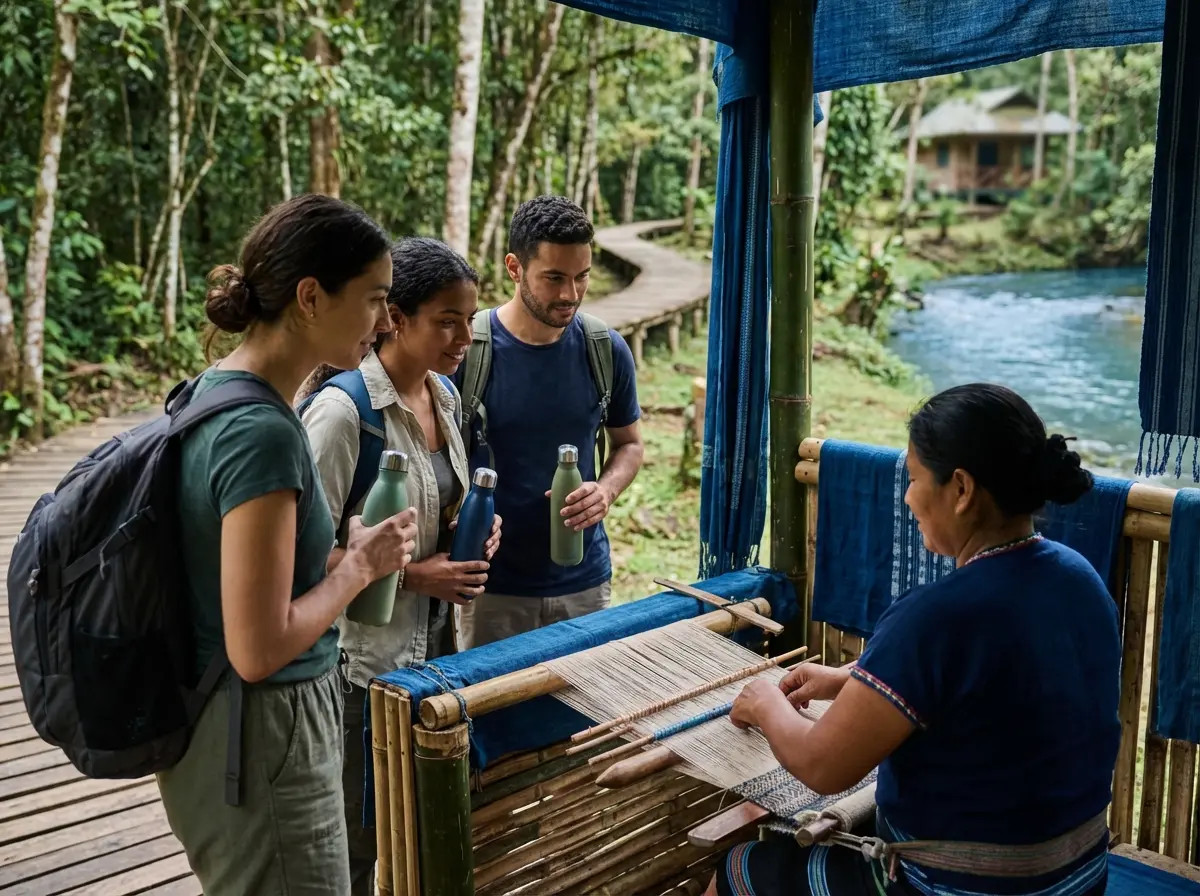
The foundation of any ethical journey is built upon a set of core principles that guide behavior and decision-making. Practicing responsible travel means being mindful of your water usage, energy consumption, and the waste you generate while visiting remote areas. The core of responsible tourism lies in the deep respect for both the natural environment and the local culture of the host region. By understanding these principles, travelers can ensure that their tourism activities do not inadvertently harm the very places they have come to admire. This involves a conscious effort to reduce one’s environmental impact through every stage of the journey, from transport to accommodation. It also requires a commitment to transparency, where travelers actively seek out information about the sustainability practices of their chosen providers.
One of the most critical aspects of this approach is the protection of natural resources and the preservation of local ecosystems. Travelers must be careful not to introduce invasive species or disturb the delicate balance of flora and fauna in high-biodiversity regions. We must also work together to mitigate the negative environmental consequences of global transport by choosing carbon-offset programs or more efficient travel routes. Additionally, fostering cultural awareness helps prevent the commodification of sacred traditions and ensures that interactions with local residents remain respectful and authentic. When we travel with an open mind and a gentle footprint, we create a more harmonious relationship with the world, ensuring that our presence is a source of support rather than a burden.
Education plays a pivotal role in the success of these initiatives, as it empowers travelers to make more informed choices. Many destinations now offer certifications for businesses that meet the high standards of responsible tourism, making it easier for consumers to identify ethical options. These certifications often require rigorous audits of energy efficiency, waste management, and fair labor practices within the organization. By supporting these certified businesses, you are encouraging the industry to adopt more sustainable practices across the board. Furthermore, learning about the history and ecology of a destination before you arrive can significantly enhance your overall travel experience, allowing you to appreciate the nuances of the local environment.
Another key principle is the minimization of negative environmental impacts through the use of innovative technologies and traditional wisdom. For example, many eco-lodges utilize solar power and rainwater harvesting systems to reduce their reliance on local infrastructure. These facilities often blend seamlessly into the landscape, using sustainable building materials that do not disrupt the visual or biological integrity of the area. By choosing to stay in such accommodations, you are directly supporting the development of green technology in the travel sector. This commitment to innovation is essential for ensuring that tourism can continue to thrive without compromising the health of our planet. It also demonstrates that modern comfort does not have to come at the expense of ecological responsibility.
Furthermore, the concept of “slow travel” has emerged as a core tenet of the responsible tourism movement. This approach encourages travelers to spend more time in a single location, reducing the carbon footprint associated with frequent transportation and allowing for a deeper immersion in the local culture. By slowing down, visitors can develop a more profound connection with the natural environments they visit, leading to a more meaningful and restorative travel experience. Slow travel also benefits local communities by providing a more consistent and predictable source of income for small businesses. Ultimately, these principles serve as a roadmap for a more ethical and sustainable way of exploring the world, ensuring that the joys of travel remain available for future generations.
Economic and Social Impact on Local Communities and Destinations
The economic benefits of ecological tourism are far-reaching and can provide a lifeline for rural and underdeveloped regions. When tourism is managed correctly, local communities gain the resources needed to improve healthcare, education, and infrastructure without sacrificing their natural heritage. The active participation of local communities is the only way to ensure the long-term success of any conservation project or tourism initiative. By providing economic incentives for preservation, we can encourage residents to protect their surroundings rather than exploit them for short-term gain. This creates a virtuous cycle where the health of the environment and the prosperity of the people are inextricably linked, fostering a sense of shared responsibility for the land.
Engaging with local people allows travelers to gain a deeper perspective on the region’s heritage and the challenges faced by those who live there. A well-structured program directly benefits local communities through job creation, training opportunities, and the development of small-scale local businesses. For instance, the collection of park fees is essential for maintaining trails, hiring rangers, and funding community-led conservation efforts that protect local economies. These financial benefits should be shared equitably with those who live on the land, particularly indigenous people who have served as stewards of these environments for generations. Respecting the rights and lands of these groups is a cornerstone of ethical and responsible travel, ensuring that tourism serves as a tool for empowerment rather than displacement.
Furthermore, tourism can be a powerful engine for growth within diverse local economies by creating a market for locally-grown food and handcrafted goods. Choosing to stay in small lodges owned by local businesses helps distribute wealth more equitably and ensures that your money stays within the community. This support local approach helps to preserve local cultures and traditions that might otherwise be lost to the forces of globalization. Authentic interactions with these cultures provide a richer understanding of the world and foster a sense of global citizenship among travelers. When we invest in the people of a destination, we are investing in the future of the destination itself, creating a resilient foundation for long-term prosperity.
The socio-economic impact also extends to the empowerment of women and youth within these communities, as tourism often provides new avenues for employment and leadership. Many ecotourism projects focus on training local guides and artisans, giving them the skills needed to thrive in a modern economy while honoring their roots. This benefits local residents by providing stable income and reducing the need for migration to overcrowded urban centers. As these communities become more self-sufficient, they are better equipped to advocate for their own interests and protect their natural resources from external threats. The success of these models proves that tourism can be a force for good when it is designed with the needs of the people in mind, rather than just the desires of the visitors.
In addition to direct financial gains, ecological tourism fosters a sense of pride and ownership among local residents regarding their natural and cultural assets. When communities see that visitors value their unique traditions and pristine environments, they are more likely to invest in their preservation. This intangible benefit is crucial for the long-term sustainability of any destination, as it ensures that conservation efforts are driven by the people who have the most to lose. By bridging the gap between global travelers and local people, sustainable tourism creates a platform for mutual respect and cross-cultural understanding. This social cohesion is essential for building a more peaceful and sustainable world, where the diversity of life is celebrated and protected by all.
How to Plan a Sustainable Tour and Sustainable Travel
Planning a sustainable tour requires a bit more research than a standard vacation, but the rewards are well worth the extra effort. Start by looking for tour operators who have a clear and transparent commitment to environmental and social responsibility. Booking a sustainable tour often involves choosing operators who employ local guides and use eco-friendly transport methods to reduce carbon emissions. A truly sustainable tour will emphasize education and minimize the physical impact on the environment, ensuring that your presence does not disturb the local wildlife. Before you depart, ask your provider how their sustainable tour contributes to the protection of the region and what specific projects they support. This due diligence ensures that your travel dollars are being used to support genuine conservation efforts.
To provide positive experiences for both yourself and your hosts, it is important to pack light and bring reusable items to minimize waste. Every traveler should strive to provide positive outcomes for the environment by avoiding single-use plastics and choosing biodegradable toiletries. Take the time to learn local customs and traditions to foster mutual respect and ensure that your interactions are culturally sensitive. This mindful travel experience is far more rewarding than a standard sightseeing tour, as it allows for deeper connections and more meaningful travel experiences. By being a prepared and respectful guest, you can help ensure that the destination remains welcoming for future visitors and that the local culture is treated with the dignity it deserves.
When you are on the ground, make a conscious effort to support local vendors and eat at restaurants that source their ingredients from nearby farms. Choosing locally-grown food is a simple way to support local economies and reduce the carbon footprint associated with food transport. You should also be mindful of your behavior in natural areas, staying on marked trails and keeping a respectful distance from animals. These small actions, when multiplied by thousands of travelers, can have a massive positive impact on the health of the ecosystem. Remember that your goal is to leave the place exactly as you found it, or perhaps even a little better, by participating in local conservation activities if they are available.
Finally, consider the timing of your trip to avoid the peak season, which can put an undue strain on local infrastructure and resources. Traveling during the “shoulder season” often provides a more relaxed travel experience and allows you to enjoy the destination without the crowds. It also provides a more consistent source of income for local businesses that might otherwise struggle during the off-peak months. By being flexible with your plans, you can contribute to a more balanced and sustainable tourism model. Every choice you make, from the flights you book to the souvenirs you buy, has the potential to make a difference in the long-term health of the planet. Planning with intention is the first step toward becoming a truly responsible traveler.
Moreover, consider the ethics of wildlife interactions as a primary component of your sustainable travel planning. Avoid attractions that involve captive animals or activities that disrupt natural behaviors, such as riding elephants or swimming with restrained marine life. Instead, seek out opportunities to observe animals in their natural habitats from a safe and respectful distance. Supporting reputable wildlife sanctuaries that focus on rehabilitation and release is another excellent way to ensure your visit has a positive impact. By prioritizing the welfare of animals, you contribute to the broader goal of environmental conservation and help end exploitative practices within the tourism industry. This ethical approach to wildlife is a hallmark of a truly sustainable tour.
The Future of Sustainable Tourism and the Tourism Industry
The future of the tourism industry is inextricably linked to our ability to address the growing challenges posed by climate change and habitat loss. As global temperatures rise and weather patterns become more unpredictable, the natural areas that draw tourists are increasingly at risk. Sustainable tourism is not just a trend; it is a necessary evolution for the survival of the travel industry and the protection of our planet. Our goal is to leave these beautiful places intact for future generations to enjoy, which requires a fundamental shift in how we value and consume travel. By choosing sustainable tourism, you are voting with your wallet for a cleaner, more equitable, and more resilient world, ensuring that the wonders of nature remain for those who come after us.
Innovation will continue to play a major role in the development of more sustainable travel options, from electric aircraft to zero-waste hotels. We can also expect to see a greater emphasis on “regenerative travel,” which goes beyond sustainability to actively restore and improve the destinations we visit. This could involve participating in reforestation projects, supporting wildlife corridors, or contributing to the development of renewable energy in rural areas. As travelers become more sophisticated, the demand for these high-impact experiences will only continue to grow. The tourism industry has the potential to be a leading force in the global transition to a more sustainable future, proving that economic success and environmental protection can go hand in hand.
Ultimately, the success of ecological tourism depends on our collective willingness to change our habits and prioritize the health of the earth. It requires us to move away from the “bucket list” mentality and toward a more contemplative and respectful way of seeing the world. When we travel with purpose, we not only enrich our own lives but also contribute to the well-being of the planet and its people. The journey toward a more sustainable future is a long one, but every step we take in the right direction matters. Let us embrace the beauty of the world with the care and respect it deserves, ensuring that our legacy as travelers is one of preservation and respect.
Conclusion
Ecological tourism offers a powerful way to explore the world while making a positive impact on the environment and local communities. By adhering to the principles of responsible travel and supporting sustainable tourism initiatives, we can ensure that the world’s natural wonders are preserved for years to come. Whether you are visiting a national park or a remote village, your choices as a traveler have the power to drive meaningful change and support local economies. Let us commit to traveling with heart, mind, and a deep respect for the incredible planet we call home. Together, we can create a future where travel is a force for healing, a celebration of the diversity of life on Earth, and a testament to our commitment to future generations. The path to a sustainable world begins with the very first step of our next journey.