
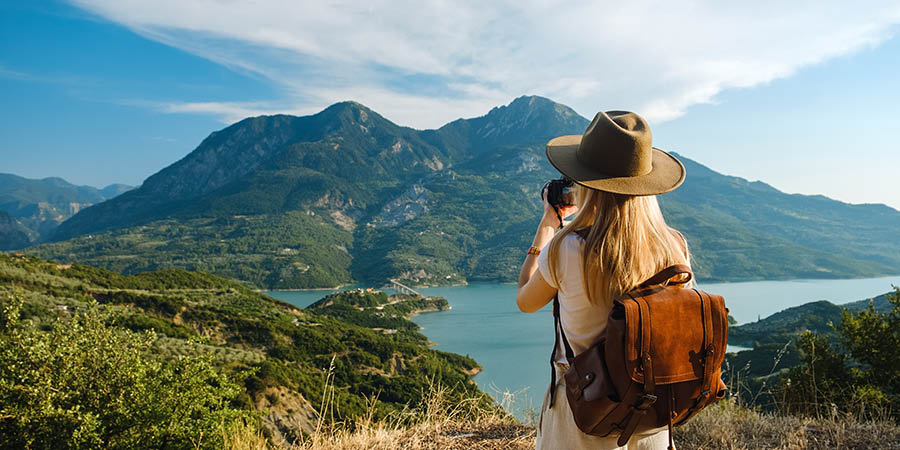
Travel photography is one of the most rewarding ways to preserve memories and tell visual stories. Whether you’re exploring a nearby city or embarking on an international adventure, photography allows you to capture the essence of a place—its people, landscapes, culture, and atmosphere. For beginners, travel photography can feel overwhelming, but with the right approach and techniques, anyone can take beautiful, meaningful photos.
This guide shares practical travel photography tips for beginners, helping you improve composition, lighting, gear choices, and storytelling while traveling.
Understand the Purpose of Travel Photography
Travel photography is not just about taking pictures of famous landmarks. It’s about telling a story of your journey. A strong travel photo often captures:
-
The mood of a destination
-
Everyday local life
-
Natural beauty and landscapes
-
Cultural details and traditions
Instead of focusing only on iconic spots, try to document moments that show what it feels like to be there.
Start With the Right Gear (But Keep It Simple)
You don’t need expensive equipment to get started. Many great travel photos are taken with smartphones or entry-level cameras.
Beginner-Friendly Gear Tips:
-
Camera: Use what you’re comfortable with—a smartphone, mirrorless camera, or DSLR
-
Lens: A versatile zoom lens or a standard prime lens works well
-
Accessories: Extra batteries, memory cards, and a lightweight tripod
The best camera is the one you’re confident using and willing to carry everywhere.
Learn Basic Camera Settings
Understanding a few basic settings can dramatically improve your photos.
-
Aperture: Controls background blur and depth of field
-
Shutter Speed: Freezes motion or creates movement blur
-
ISO: Adjusts light sensitivity
If manual mode feels intimidating, start with aperture priority or shutter priority modes to gain confidence.
Master Composition Techniques
Good composition is more important than expensive gear.
Key Composition Tips:
-
Rule of Thirds: Place your subject off-center for a balanced image
-
Leading Lines: Use roads, fences, or rivers to guide the viewer’s eye
-
Foreground Interest: Add depth by including objects in the foreground
-
Framing: Use windows, doors, or trees to frame your subject
Take a moment to look around before pressing the shutter.
Use Natural Light to Your Advantage
Light can make or break a photo. Learning to work with natural light is essential for beginners.
-
Golden Hour: Shoot early morning or late afternoon for soft, warm light
-
Avoid Harsh Midday Sun: Strong shadows can be unflattering
-
Cloudy Days: Great for even lighting and vibrant colors
-
Backlighting: Creates silhouettes and dramatic effects
Observe how light interacts with your surroundings and adjust your angle accordingly.
Capture People and Local Life Respectfully
Photos of people add emotion and authenticity to travel photography.
-
Ask for permission when possible
-
Be respectful of cultural norms
-
Capture candid moments from a distance
-
Focus on activities rather than posed shots
People-centered photos often become the most memorable images from a trip.
Tell a Story Through Your Photos
Instead of taking random shots, think in terms of storytelling.
A complete travel photo story might include:
-
Arrival scenes
-
Details (food, signs, textures)
-
Landscapes and architecture
-
People and daily life
-
Moments of rest or reflection
For example, documenting trips like Family-Friendly Travel Itineraries in Canada becomes more powerful when you include wide landscapes, small family moments, and cultural experiences together.
Don’t Forget the Details
Small details help bring your travel story to life.
-
Local food and drinks
-
Street signs and markets
-
Traditional clothing
-
Textures like walls, sand, or cobblestones
Detail shots add depth and context to your travel photography collection.
Edit Lightly and Thoughtfully
Editing enhances photos but should not overpower them.
Beginner Editing Tips:
-
Adjust brightness and contrast
-
Correct white balance
-
Crop for better composition
-
Avoid heavy filters
Simple edits can make photos look polished while keeping them natural.
Travel Photography Mistakes to Avoid
-
Taking too many similar photos without intention
-
Ignoring backgrounds that distract from the subject
-
Over-editing images
-
Carrying too much gear and feeling overwhelmed
-
Focusing only on landmarks
Slowing down and being intentional leads to better results.
Practice Observation and Patience
Great travel photos often come from waiting and observing. Spend time in one location, watch how people move, notice how light changes, and wait for the right moment. Patience is a powerful skill in photography.
Travel Photography Tips Comparison Table
| Tip Area | Beginner Focus | Result |
|---|---|---|
| Gear | Simple, lightweight | More freedom to shoot |
| Composition | Rule of thirds, framing | Balanced photos |
| Lighting | Natural and golden hour | Softer, better images |
| Storytelling | Moments + details | More meaningful photos |
| Editing | Minimal adjustments | Natural final look |
FAQs: Travel Photography for Beginners
Do I need a professional camera for travel photography?
No. Many beginners take excellent photos with smartphones or entry-level cameras.
How can I improve my travel photos quickly?
Focus on composition, light, and storytelling rather than equipment.
Is it okay to photograph strangers while traveling?
Yes, but always be respectful and follow local customs. Asking permission is recommended.
How many photos should I take while traveling?
Quality matters more than quantity. Take enough to tell a story, but avoid shooting without purpose.
Should I edit my travel photos?
Light editing is encouraged to enhance clarity and color, but keep it natural.
Final Thoughts
Travel photography is a journey of creativity, observation, and personal expression. As a beginner, the most important step is to start shooting, experimenting, and learning from each experience. By understanding light, composition, and storytelling—and by practicing consistently—you’ll gradually develop your own style and confidence behind the camera. With these travel photography tips for beginners, you’ll be well on your way to capturing meaningful images that truly reflect your adventures.