
For travelers who appreciate history, culture, and artistry, destinations with unique architectural landmarks offer a truly memorable experience. From ancient temples to modern masterpieces, these sites reflect the creativity, innovation, and cultural identity of their regions. Exploring such destinations allows travelers to witness breathtaking structures while learning about the stories and techniques behind them.
This article highlights some of the top travel destinations with remarkable architectural landmarks and what makes each location special.
Why Architectural Landmarks Attract Travelers
Architectural landmarks are more than just buildings—they are cultural icons. Travelers are drawn to them for several reasons:
-
Historical significance and cultural storytelling
-
Artistic expression and unique design
-
Opportunities for photography and visual appreciation
-
Insight into local traditions, religion, and society
Whether modern or ancient, well-preserved architectural landmarks offer insight into human ingenuity and cultural heritage.
Europe: Timeless Architecture
Barcelona, Spain
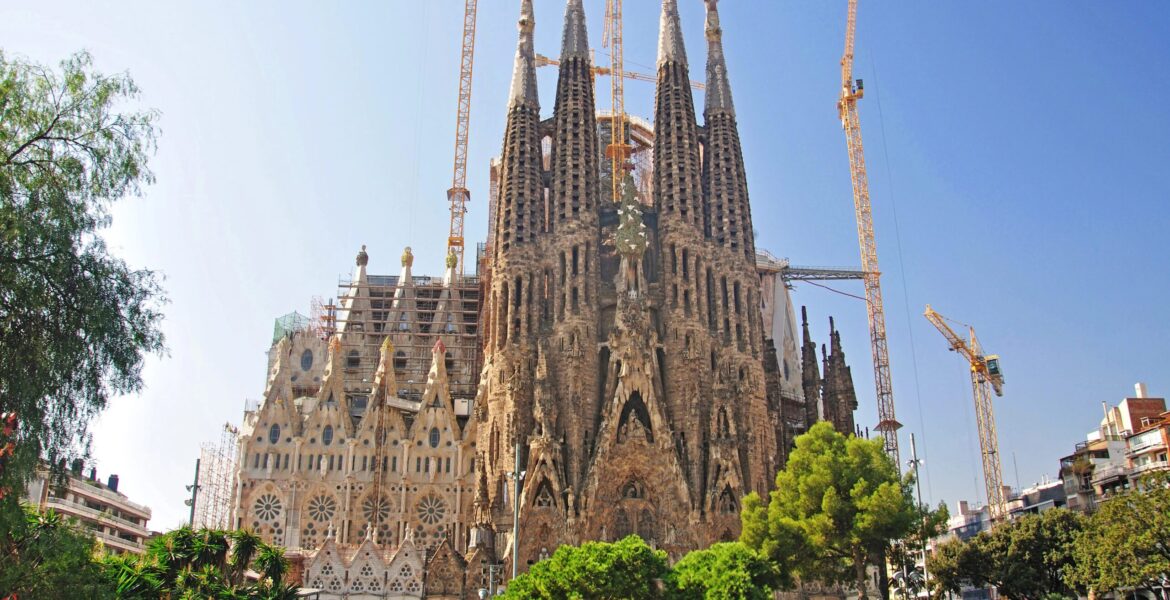
Barcelona is world-renowned for Antoni Gaudí’s masterpieces. La Sagrada Família, Park Güell, and Casa Batlló showcase whimsical designs, colorful mosaics, and organic shapes that defy conventional architecture. The city also offers a vibrant urban landscape and Mediterranean charm.
Paris, France
Paris is synonymous with iconic architecture. The Eiffel Tower, Notre-Dame Cathedral, and the Louvre’s glass pyramid reflect a combination of historical and contemporary styles. Walking along the Seine, travelers can enjoy elegant bridges, fountains, and Haussmann-era buildings.
Rome, Italy
Rome is an open-air museum filled with ancient landmarks. The Colosseum, Pantheon, and Roman Forum offer a glimpse into the grandeur of the Roman Empire. Baroque and Renaissance churches add additional layers of architectural richness.
Asia: Fusion of Tradition and Modernity
Kyoto, Japan
Kyoto is home to centuries-old temples, traditional wooden houses, and serene gardens. Landmarks like Kinkaku-ji (Golden Pavilion) and Fushimi Inari Taisha showcase meticulous craftsmanship, while the city’s historic districts maintain their traditional charm.
Singapore
Singapore’s skyline blends futuristic skyscrapers with cultural heritage. Marina Bay Sands, the ArtScience Museum, and the Supertree Grove at Gardens by the Bay exemplify innovative and sustainable architecture in a modern urban setting.
Jaipur, India
Jaipur, also known as the “Pink City,” features palaces, forts, and intricately carved havelis. The City Palace, Hawa Mahal, and Amber Fort showcase Rajput architecture, combining grandiose structures with delicate ornamentation.
Middle East: Desert Marvels
Dubai, UAE
Dubai is a hub for futuristic architecture. Burj Khalifa, Burj Al Arab, and the Museum of the Future demonstrate groundbreaking engineering, luxurious design, and iconic silhouettes that define the city’s skyline.
Istanbul, Turkey
Istanbul bridges Europe and Asia, offering architectural treasures like Hagia Sophia, the Blue Mosque, and Topkapi Palace. Byzantine and Ottoman influences are evident in domes, minarets, and ornate interior decorations.
Americas: Modern and Classical Designs
New York City, USA
New York City offers architectural variety, from the historic Flatiron Building and Chrysler Building to modern landmarks like One World Trade Center. Its skyline and street-level architecture provide a dynamic urban experience.
Brasília, Brazil
Brasília, the capital of Brazil, is a planned city famous for Oscar Niemeyer’s modernist designs. Civic buildings, cathedrals, and residential structures showcase futuristic shapes and bold forms.
Africa: Rich Cultural Heritage
Marrakech, Morocco
Marrakech offers traditional Moroccan architecture with ornate palaces, riads, and gardens. Landmarks like Bahia Palace, Koutoubia Mosque, and Jemaa el-Fnaa square display intricate tilework, carved wood, and decorative arches.
Cairo, Egypt
Cairo is home to ancient wonders like the Pyramids of Giza and the Sphinx. Islamic architecture, mosques, and medieval fortresses add to the city’s architectural diversity.
Tips for Exploring Architectural Landmarks
-
Plan your visits: Some landmarks require advance tickets or guided tours.
-
Hire local guides: Guides provide historical context and design insights.
-
Time your visit: Early morning or late afternoon provides optimal lighting for photography.
-
Combine with culture: Museums, local markets, and performances enhance the architectural experience.
-
Accessibility: Choose landmarks that accommodate comfortable walking and mobility options, especially for older travelers, similar to the thoughtful considerations found in Best Travel Destinations for Retirees.
Final Thoughts
Travel destinations with unique architectural landmarks provide unforgettable experiences for culture, art, and history enthusiasts. Whether marveling at ancient temples, walking through Renaissance streets, or admiring modern skyscrapers, these sites offer a visual journey across time and creativity.
By planning visits carefully and exploring the stories behind each structure, travelers can fully appreciate the artistry, culture, and engineering that make these destinations remarkable.