
Introduction
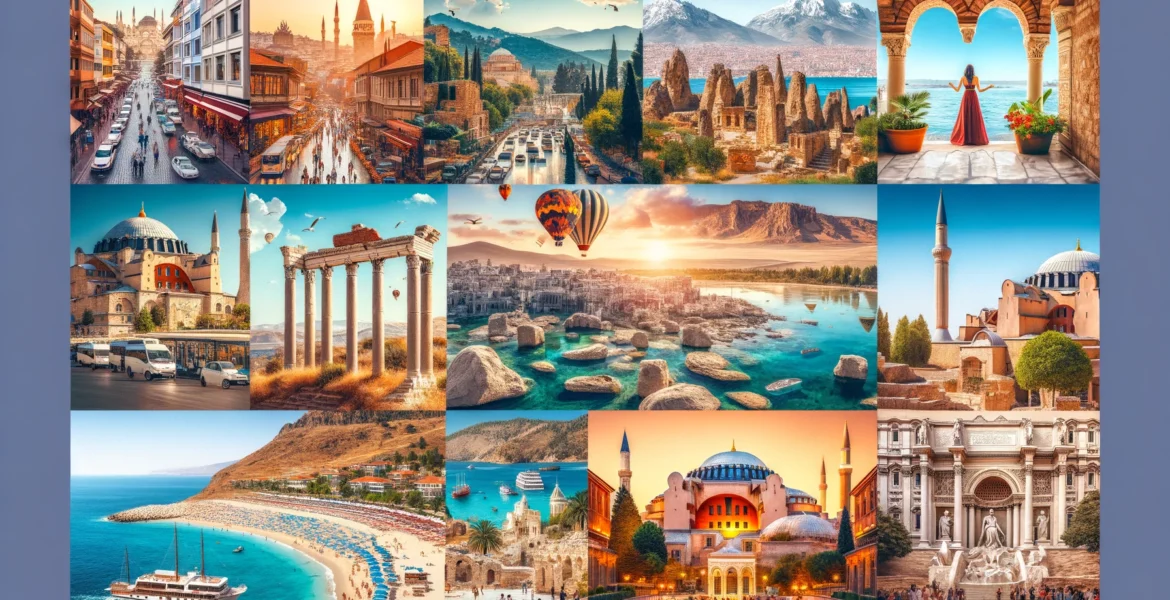
Traveling to destinations with rich historical landmarks allows visitors to step back in time and experience the stories, architecture, and cultures that shaped the world. From ancient ruins and grand palaces to medieval fortresses and iconic monuments, these destinations provide both educational and immersive experiences for travelers seeking cultural depth.
Historical landmarks also give insight into a region’s social, political, and artistic development. Visiting such sites combines sightseeing with storytelling, making travel both engaging and meaningful.
Why Historical Landmarks Matter
Historical landmarks are more than tourist attractions—they are tangible evidence of human creativity, struggle, and innovation over centuries. They allow travelers to:
-
Understand local culture and traditions
-
Experience architectural marvels firsthand
-
Witness the evolution of cities and civilizations
-
Gain inspiration from preserved heritage
For travelers who enjoy connecting with the past, destinations rich in historical landmarks are invaluable.
Top Travel Destinations with Historical Landmarks
Rome, Italy
Rome is a treasure trove of historical landmarks. Iconic sites like the Colosseum, Roman Forum, and Pantheon showcase ancient Roman engineering and culture. Walking through Rome is like walking through a living museum where history is intertwined with modern life.
Cairo, Egypt
Cairo provides access to some of the world’s most famous ancient monuments. The Pyramids of Giza and the Sphinx are emblematic of Egypt’s ancient civilization, offering travelers a glimpse into millennia-old architectural mastery and societal development.
Athens, Greece
Athens is the cradle of Western civilization. The Acropolis, Parthenon, and Ancient Agora reveal the city’s historical significance in philosophy, politics, and art. Visitors can explore ruins while appreciating Greece’s ongoing cultural influence.
Kyoto, Japan
Kyoto blends natural beauty with centuries-old heritage. Temples, shrines, and traditional wooden houses reflect Japan’s historical depth. Travelers can also witness preserved customs, seasonal festivals, and the artistry of historical architecture.
Istanbul, Turkey
Istanbul straddles two continents, offering a rich tapestry of historical landmarks from the Byzantine and Ottoman eras. Hagia Sophia, Topkapi Palace, and the Blue Mosque provide insight into the city’s diverse religious and cultural history.
Jaipur, India
Jaipur, the “Pink City,” is known for its forts, palaces, and historic bazaars. Amber Fort, City Palace, and Hawa Mahal showcase Rajasthan’s royal heritage, while travelers can experience living traditions alongside architectural grandeur.
Experiencing History Beyond Sightseeing
Visiting historical landmarks is not just about taking photos. To truly experience history:
-
Join guided tours for context and storytelling
-
Participate in local workshops and cultural activities
-
Visit museums connected to landmarks
-
Attend traditional performances or ceremonies
This approach transforms a visit into an immersive learning experience.
Planning a Trip Around Historical Landmarks
When planning travel to historical destinations:
-
Research key landmarks and their opening hours
-
Allocate sufficient time for exploration
-
Consider seasonality to avoid crowds
-
Combine visits with nearby cultural or natural sites
For example, after exploring landmarks, travelers may enjoy natural escapes in nearby areas, similar to those in Best Mountain Destinations for Nature Lovers, offering balance between culture and outdoor adventure.
Comparison of Historical Destinations
| Destination | Landmark Highlights | Best Time to Visit | Unique Feature |
|---|---|---|---|
| Rome, Italy | Colosseum, Pantheon | Spring/Autumn | Ancient Roman ruins |
| Cairo, Egypt | Pyramids, Sphinx | Winter | Desert monuments |
| Athens, Greece | Acropolis, Agora | Spring/Autumn | Birthplace of democracy |
| Kyoto, Japan | Kinkaku-ji, Fushimi Inari | Spring/Autumn | Traditional temples and shrines |
| Istanbul, Turkey | Hagia Sophia, Topkapi Palace | Spring/Fall | Cultural fusion of Europe and Asia |
| Jaipur, India | Amber Fort, Hawa Mahal | Winter | Royal architecture and bazaars |
Tips for Respectful Travel to Historical Sites
-
Follow site rules and guidelines
-
Avoid touching delicate artifacts
-
Dress appropriately for religious or cultural sites
-
Support local guides and conservation efforts
-
Take time to learn the historical context
Respectful travel preserves landmarks and enriches the visitor experience.
Common Mistakes to Avoid
-
Rushing through multiple landmarks in a single day
-
Failing to check for restoration closures
-
Ignoring cultural etiquette
-
Over-relying on photos instead of observation
-
Neglecting hydration and comfort during long tours
Slow, deliberate exploration ensures deeper appreciation.
Frequently Asked Questions (FAQs)
Which historical destination is best for first-time travelers?
Rome and Athens are highly accessible, offering iconic landmarks and guided tours suitable for newcomers.
Can historical landmark travel be combined with nature experiences?
Yes. Many destinations, like Kyoto and Rome, offer nearby natural attractions, hiking trails, or scenic viewpoints.
How can I avoid crowds at popular sites?
Visit early in the morning, during weekdays, or in the shoulder seasons.
Are historical landmarks family-friendly?
Most are, but some sites may involve steep climbs or extensive walking. Check accessibility options beforehand.
Is guided touring necessary?
While not mandatory, guided tours enhance understanding and provide richer context.
Conclusion
Traveling to destinations with rich historical landmarks allows visitors to witness human history firsthand. From ancient civilizations and royal palaces to iconic religious monuments, these destinations offer a unique lens into the past. Pairing historical exploration with cultural engagement or natural surroundings enhances the overall experience, making trips both educational and inspiring.
For travelers seeking a blend of cultural depth and memorable adventures, historical landmarks provide not only sightseeing opportunities but a connection to the stories, traditions, and ingenuity of previous generations. Incorporating both historical and natural experiences ensures a balanced and enriching journey for any traveler.