
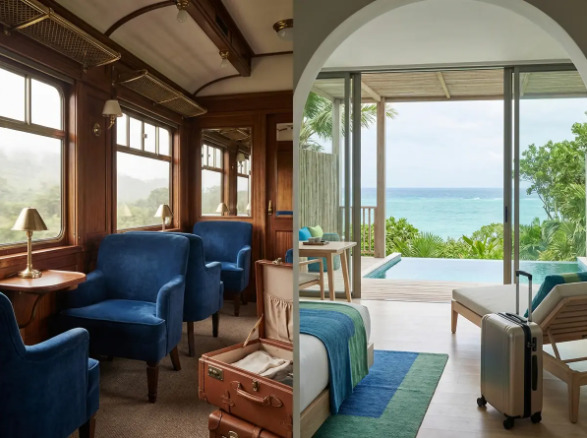
The luxury hospitality industry constantly reinvents what it means to experience true comfort and exclusivity on the road for those engaged in high-end luxury travel. Today, high-end lodging goes far beyond high thread counts, expensive furniture, and basic concierge services provided by the hospitality sector. Guests expect an intuitive luxury experience that anticipates their specific needs before they even articulate them to the staff. This evolution requires a deep understanding of the hospitality industry and the shifting desires of modern global travelers seeking a unique travel experience.

A successful luxury hotel operates on a solid foundation of deep empathy and incredibly precise operational execution. Staff members carefully observe the individual guest experience to build a highly personalized environment during their entire stay at the property. This intense level of attention justifies a high price while creating fierce brand loyalty among frequent travelers across the luxury sector. By focusing on the guest experiences that matter most, properties can distinguish themselves in a crowded and competitive global market.
As global competition grows, the luxury hospitality industry must adapt to shifting consumer demands quickly and efficiently. Modern travelers care deeply about their environmental impact, authentic local culture, and seamless digital integration during their various trips. We will explore how top properties manage these rigorous demands while delivering an unforgettable customer service journey for every visitor. Understanding these industry trends is essential for any general manager looking to maintain a competitive edge in today’s market.
Decades ago, a luxury hotel simply needed to offer opulent decor, formal dining, and standard bellhop services. That bygone era relied heavily on rigid operational standards and highly predictable, cookie-cutter interactions with wealthy guests. Today, modern luxury focuses entirely on authentic human connection and highly personalized service delivery at every touchpoint within the hospitality landscape. This shift has forced many luxury brands to rethink their core values and service philosophies to stay relevant.
The modern hospitality industry recognizes that true exclusivity means giving guests total peace of mind during their vacations. A luxury hotel must function properly at all times, making complex daily operations [completely invisible to visitors]. Guests should never notice the intense logistical coordination happening behind the scenes to support their comfortable stay and high room rates. This invisibility is a hallmark of worldwide luxury, where the mechanics of service are secondary to the feeling of being cared for.
We clearly see this operational shift happening across independent boutique hotels and massive global hospitality conglomerates alike. Major hotel chains now actively strive to mimic the intimate, highly personalized feel of a small boutique luxury hotel. This strategic approach helps massive organizations deliver impeccable service without feeling cold, distant, or overly corporate to the guest. By integrating a luxury collection mindset, these larger entities can offer unique, localized experiences that feel personal and handcrafted.
- Modern guests demand authentic connections over rigid, outdated service standards in the luxury hospitality sector.
- Backend operations must remain completely invisible to protect the peaceful atmosphere of a luxury hotel.
- Massive organizations can successfully mimic intimate boutique experiences through a curated luxury collection strategy.
Redefining the Luxury Hotel and Customer Experience
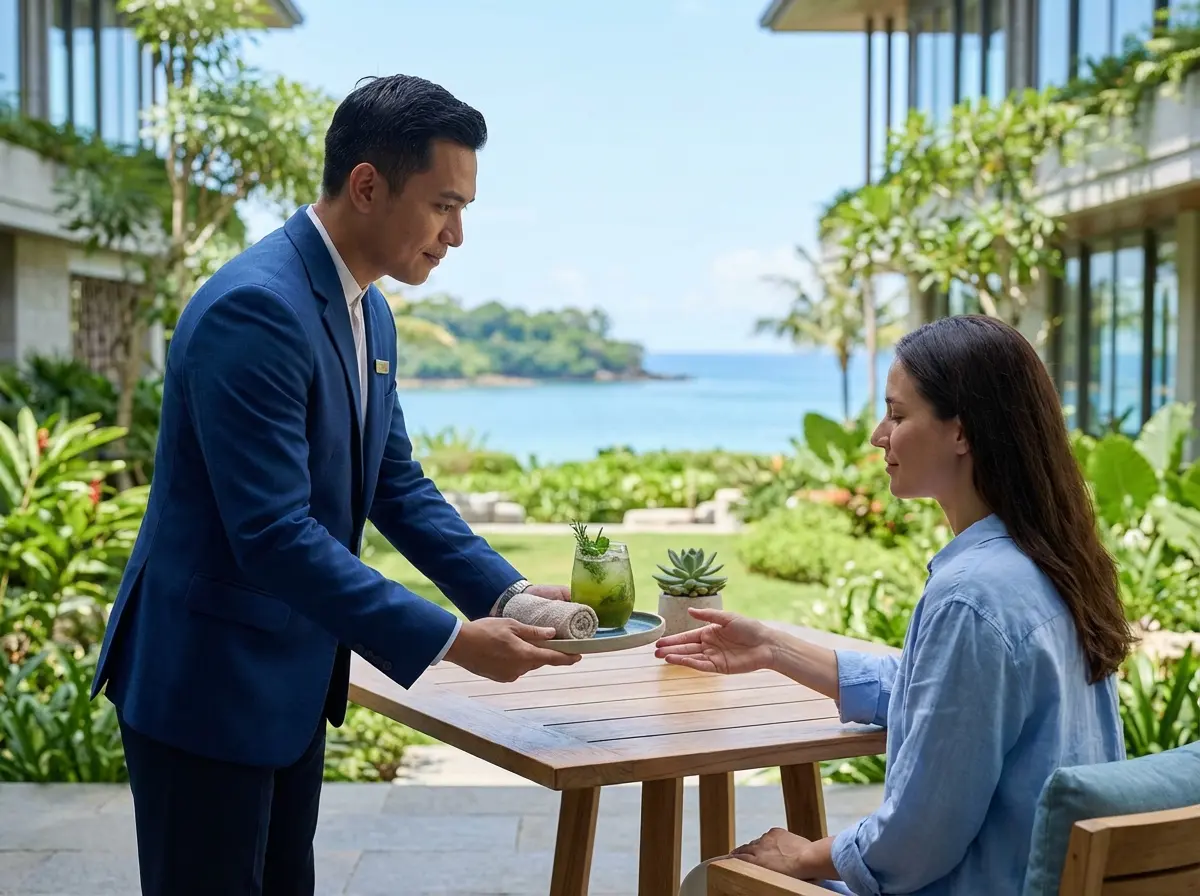
In the heart of destinations like Las Vegas, the definition of a luxury hotel is being rewritten through immersive experiences. No longer is it enough to provide a suite; properties must now offer a narrative that engages all the senses. From the moment a guest arrives, the technological advancement of the check-in process should feel effortless and welcoming. This level of sophistication is what defines the modern luxury hospitality standard across the globe today.
Creating these moments requires a comprehensive training program for all staff members, ensuring they understand the nuances of high-end service. Whether it is a boutique property or a member of a global luxury collection, the focus remains on the individual guest. By uncovering hidden gems within a destination, staff can provide recommendations that feel exclusive and deeply personal. This tailored approach is what keeps guests returning to their favorite luxury hotels year after year.
Furthermore, the integration of artificial intelligence is helping properties anticipate guest needs with unprecedented accuracy and speed. By analyzing data, a luxury hotel can ensure that a guest’s preferred language is used in all communications. This attention to detail extends to the digital realm, where a clear privacy policy regarding local storage of data is paramount. Protecting guest information is just as important as providing a comfortable bed in the luxury sector.
Operational Mastery in Luxury Hotels and Management Systems
The role of a general manager has become increasingly complex as they balance guest expectations with rising operational costs. To maintain the high standards of a luxury hotel, one must utilize sophisticated property management systems to streamline daily tasks. These management systems allow for real-time tracking of guest preferences, ensuring that every stay is better than the last. Efficiency in the back office directly translates to a better guest experience on the front lines.
Effective property management involves more than just maintaining the physical building; it is about managing the entire ecosystem of service. In the luxury hospitality world, this means ensuring that every department, from housekeeping to fine dining, is perfectly synchronized. Whether managing a historic boutique hotel or a sprawling resort, the goal remains the same: seamless and invisible excellence. This operational harmony is what allows a luxury collection of properties to maintain consistent quality across different regions.
Investment in technological advancement is no longer optional for those who wish to lead in the hospitality industry. Modern property management systems now include modules for everything from energy management to personalized marketing. By reducing waste and optimizing labor, a luxury hotel can manage its operational costs without sacrificing the quality of the luxury experience. This balance is crucial for long-term sustainability and profitability in the competitive luxury sector.
Scaling Excellence Across Luxury Brands and Cruise Lines
When we look at elite luxury brands like Cheval Blanc, we see a commitment to excellence that transcends traditional boundaries. These brands are now expanding their reach into cruise lines, bringing the luxury hotel experience to the high seas. This expansion allows travelers to enjoy the same level of customer service and exclusivity while exploring remote parts of the world. The transition from land to sea requires a deep understanding of worldwide luxury standards.
A luxury collection of ships must offer the same immersive experiences that guests expect from a five-star land-based resort. This includes world-class fine dining, extensive spa facilities, and highly personalized itineraries that cater to the curious traveler. By maintaining a consistent brand voice, these cruise lines can attract loyal customers from their luxury hotels. This cross-pollination of guests is a powerful strategy for growth within the broader luxury hospitality market.
Scaling such excellence requires a rigorous focus on comprehensive training to ensure that the brand’s DNA is present in every interaction. Whether a guest is in a suite in Paris or on a deck in the Mediterranean, the luxury experience must be identical. This consistency is what builds the reputation of a luxury collection as a leader in the global hospitality industry. As more luxury brands enter the maritime space, the competition for the affluent traveler will only intensify.
Expanding the Luxury Collection and Worldwide Luxury
The growth of a luxury collection is often driven by a desire to offer guests a wider variety of unique destinations. Each new addition to a luxury collection must be carefully vetted to ensure it meets the brand’s exacting standards for quality. Within a luxury collection, there is a constant exchange of best practices to improve the overall guest experience. This collaborative approach allows a luxury collection to innovate faster than independent properties might on their own.
Managing a luxury collection also involves a sophisticated approach to marketing and guest loyalty programs. Members of a luxury collection often share a common database, allowing for a seamless luxury experience across different properties. For example, a guest’s preference for a specific type of pillow can be noted in one luxury collection hotel and applied to their next stay in another. This level of detail is what makes a luxury collection so appealing to the modern, discerning traveler.
Furthermore, a luxury collection often serves as a platform for showcasing local culture and artistry in a refined setting. By integrating local elements, a luxury collection property can offer hidden gems that guests would not find elsewhere. This commitment to authenticity is a key driver of success in the luxury hospitality world today. As the luxury collection expands, it continues to define what worldwide luxury looks like in the 21st century.
The Role of Sustainability in the Modern Travel Industry
The travel industry is currently undergoing a massive transformation as sustainability becomes a core pillar of the luxury hospitality sector. Discerning travelers no longer view eco-friendly practices as a compromise on comfort but rather as an essential component of a responsible travel experience. Leading properties are implementing sophisticated water conservation systems and zero-waste culinary programs to minimize their environmental footprint while maintaining high standards. This commitment to the planet enhances the brand’s reputation and resonates deeply with the values of the modern, conscious individual guest.
Beyond environmental efforts, social sustainability is also gaining traction within the luxury hospitality industry. Hotels are increasingly sourcing materials and labor from local communities to ensure that the benefits of tourism are shared equitably. This approach not only supports the local economy but also provides guests with a more authentic and meaningful connection to the destination. By prioritizing ethical practices, a luxury hotel can build a legacy that extends far beyond the physical walls of the property.
Furthermore, the integration of green technology is helping properties reduce their carbon footprint without sacrificing the luxury experience. From solar-powered energy grids to smart lighting systems that adjust based on occupancy, innovation is driving a more sustainable future. Guests are increasingly looking for properties that hold recognized environmental certifications, making sustainability a key differentiator in the market. As the travel industry continues to evolve, those who embrace these values will lead the way in the next era of luxury.
Architectural Excellence and the Individual Guest
Architecture plays a pivotal role in defining the character of a luxury hotel, acting as the physical manifestation of the brand’s identity. From avant-garde structures in urban centers to organic designs that blend into natural landscapes, the aesthetic environment significantly impacts the customer experience. Designers are now focusing on ‘biophilic’ elements, bringing the outdoors in to create a sense of tranquility and connection to the local surroundings. These spaces are carefully curated to provide a backdrop for the immersive experiences that guests have come to expect from top-tier hospitality.
The interior design of a property must also cater to the specific needs of the individual guest, offering both communal spaces and private sanctuaries. High-quality materials, such as hand-carved stone and bespoke textiles, create a tactile sense of luxury that resonates on a subconscious level. Every piece of furniture and every lighting fixture is chosen to enhance the overall mood and functionality of the space. This attention to detail ensures that the physical environment supports the high level of service provided by the staff.
Moreover, the layout of a luxury hotel is designed to facilitate a seamless flow of movement for both guests and staff. By optimizing the floor plan, properties can ensure that service is delivered quickly and discreetly, maintaining the illusion of effortless perfection. The integration of local art and historical artifacts further enriches the environment, giving the property a unique sense of place. For the modern traveler, the architecture is not just a building; it is an integral part of their overall travel experience.
Hyper-Personalization through Data and Technology
In the digital age, the luxury hospitality industry leverages data analytics to provide a level of personalization that was previously unimaginable. By understanding the specific preferences of an individual guest, from room temperature to preferred morning beverages, hotels can create a ‘home away from home’ feeling. This data-driven approach allows for proactive service, where the staff can resolve potential issues before the guest even becomes aware of them. However, maintaining a balance between high-tech solutions and the warmth of human interaction remains the ultimate goal for any general manager.
The use of mobile apps and wearable technology is also becoming more common in the luxury sector, allowing guests to customize their stay with a few taps. Whether it is booking a spa treatment or requesting a specific vintage from the wine cellar, technology makes the luxury experience more accessible. These digital tools also provide valuable insights into guest behavior, allowing properties to refine their offerings over time. By staying ahead of technological trends, a luxury hotel can ensure it remains relevant in a rapidly changing market.
Despite the rise of automation, the human element remains the most critical component of the customer experience. Data should be used to empower staff, giving them the information they need to provide more meaningful and personalized service. A warm smile and a genuine conversation can never be replaced by an algorithm, no matter how sophisticated it may be. The most successful properties are those that use technology as a silent partner in the delivery of exceptional hospitality.
Authentic Cultural Immersion in Luxury Travel
Authenticity has become the new currency in the luxury travel market, with guests seeking genuine connections to the destinations they visit. A luxury hotel serves as a gateway to the local culture, offering curated tours and exclusive access to artisans, historians, and culinary experts. This focus on ‘place-making’ ensures that the travel experience is not just about the room, but about the memories created within the local community. By fostering these connections, properties can offer a luxury experience that is both culturally rich and deeply personal.
Many properties are now incorporating local traditions into their daily operations, from welcome rituals to evening storytelling sessions. This immersion allows guests to gain a deeper understanding of the history and customs of the region they are visiting. It also provides an opportunity for the luxury hospitality industry to showcase the unique talents of local craftsmen and performers. These authentic interactions are what often leave the most lasting impression on the individual guest.
Furthermore, the culinary programs at top-tier hotels are increasingly focused on ‘farm-to-table’ concepts that highlight local ingredients. By partnering with nearby farmers and producers, a luxury hotel can offer a dining experience that is both sustainable and delicious. This commitment to local sourcing not only supports the community but also ensures the highest quality of food for the guests. In the world of modern luxury, authenticity is not just a buzzword; it is a fundamental requirement for success.
Wellness, Fine Dining, and Luxury Hotels
In any top-tier luxury hotel, the focus on wellness and nutrition has become a primary draw for health-conscious guests. High-end spa treatments are no longer just an add-on; they are a central part of the luxury experience for many travelers. Modern spa facilities now offer everything from cryotherapy to personalized wellness coaching, all designed to rejuvenate the guest. This holistic approach to health is a major trend currently shaping the luxury hospitality landscape.
Complementing these wellness offerings is the world of fine dining, where celebrity chefs and local ingredients take center stage. A luxury hotel must provide culinary experiences that are as memorable as the accommodations themselves. From private chef tables to immersive experiences in the kitchen, dining has become a form of entertainment. These high-quality food and beverage programs are essential for justifying premium room rates and driving guest satisfaction.
To maintain these standards, a luxury collection of hotels must constantly innovate their menus and wellness programs. This involves staying ahead of industry trends and listening closely to guest feedback regarding their guest experiences. By offering a blend of traditional luxury and modern wellness, a luxury hotel can appeal to a broad range of affluent travelers. Ultimately, the goal is to create a sanctuary where guests can nourish both their bodies and their minds.

Conclusion: The Future of Luxury Hospitality
The future of luxury hospitality lies in the perfect marriage of high-tech efficiency and high-touch personalization. As luxury brands continue to evolve, they will rely more on artificial intelligence to enhance the guest experience without losing the human element. The most successful luxury hotels will be those that can master this balance while maintaining their unique brand identity. Whether on land or on cruise lines, the demand for excellence in luxury travel will only continue to grow.
For the general manager of tomorrow, the challenge will be to manage operational costs while delivering increasingly complex immersive experiences. This will require a deep reliance on modern property management systems and a commitment to comprehensive training. By focusing on the core values of the hospitality industry, properties can navigate the changing hospitality landscape with confidence. The luxury sector remains a vibrant and exciting field for those dedicated to the art of service.
In conclusion, the luxury collection of the future will be defined by its ability to provide safety, privacy, and unparalleled comfort. As we look toward new horizons in worldwide luxury, the principles of empathy and precision will remain the industry’s North Star. Guests will continue to seek out those luxury hotels that offer not just a place to sleep, but a place to truly belong. The journey of luxury hospitality is one of constant refinement and endless possibility for the global traveler.