
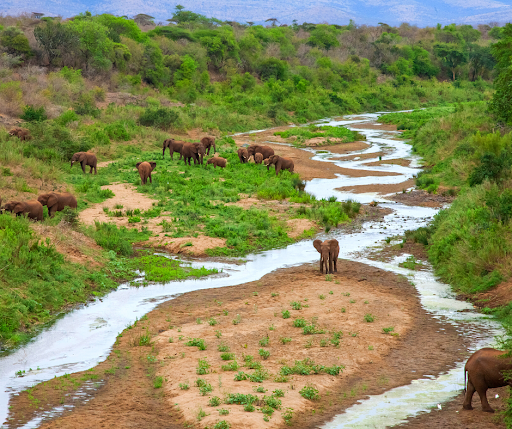
Africa is a continent of breathtaking landscapes, rich wildlife, and diverse cultures. For travelers seeking experiences that support environmental conservation and local communities, sustainable tourism is becoming increasingly important. By choosing destinations that prioritize eco-friendly practices, responsible wildlife encounters, and community engagement, travelers can explore Africa while minimizing their impact.
This guide highlights top sustainable tourism destinations in Africa and offers practical advice for responsible travel.
What Is Sustainable Tourism?
Sustainable tourism focuses on preserving natural resources, supporting local economies, and respecting cultural heritage. Unlike mass tourism, it prioritizes the long-term health of destinations while offering enriching experiences for travelers. Sustainable tourism involves eco-lodges, community-based tours, and ethical wildlife interactions.
Top Sustainable Tourism Destinations in Africa
1. Namibia – Desert and Wildlife Conservation
Namibia is known for its vast deserts, rugged landscapes, and wildlife conservation initiatives. Many lodges and tours focus on low-impact tourism, using solar energy, water-saving systems, and responsible wildlife practices. Visitors can explore Etosha National Park and the Namib Desert while supporting conservation efforts.
2. Kenya – Ethical Safari Experiences
Kenya’s safari industry is embracing sustainable practices, with eco-lodges and conservancies ensuring wildlife protection and community benefits. Visiting Maasai Mara, Ol Pejeta Conservancy, or Amboseli National Park offers unforgettable wildlife encounters while promoting ethical tourism.
3. South Africa – Eco-Friendly Wine and Safari Tours
South Africa combines natural beauty and sustainable tourism in its wine regions, national parks, and coastal reserves. Eco-certified lodges, marine conservation projects, and responsible safari tours allow travelers to enjoy the country while minimizing environmental impact.
4. Rwanda – Gorilla Conservation and Community Tourism
Rwanda has become a model for sustainable tourism with its mountain gorilla trekking programs. Fees from gorilla permits fund conservation and local communities. Visitors can also experience cultural tours that support community development and eco-friendly accommodations.
5. Botswana – Remote Eco-Lodges and Wildlife Protection
Botswana offers exclusive safari experiences in pristine wilderness areas. Eco-lodges emphasize minimal environmental impact, and tourism revenue supports anti-poaching efforts. Destinations such as the Okavango Delta and Chobe National Park are perfect for travelers seeking low-impact adventure.
How to Travel Sustainably in Africa
-
Choose eco-certified lodges and tour operators.
-
Respect local cultures and traditions.
-
Avoid single-use plastics and minimize waste.
-
Participate in community-led tours and projects.
-
Support local businesses by purchasing crafts and services locally.
For those planning their first international trip to Africa, integrating these principles with the Best Travel Tips for First-Time International Travelers ensures a safe and responsible experience.
Table: Sustainable Tourism Practices in African Destinations
| Destination | Sustainable Focus | Key Activities |
|---|---|---|
| Namibia | Wildlife conservation, eco-lodges | Desert tours, Etosha safaris |
| Kenya | Ethical safaris, community support | Maasai Mara treks, conservancy visits |
| South Africa | Eco-certification, marine protection | Eco-wine tours, coastal safaris |
| Rwanda | Gorilla conservation, community tourism | Gorilla trekking, cultural tours |
| Botswana | Low-impact safaris, anti-poaching | Okavango Delta exploration, lodge stays |
Benefits of Sustainable Tourism
-
Environmental Protection: Reduces negative impact on ecosystems.
-
Community Support: Tourism revenue helps local economies and social projects.
-
Cultural Preservation: Encourages respectful engagement with local traditions.
-
Unique Experiences: Offers authentic interactions with wildlife and communities.
Frequently Asked Questions (FAQs)
What is the best time to visit sustainable destinations in Africa?
It depends on the region. Wildlife-rich areas like Kenya and Botswana are best visited during dry seasons for easier spotting, while coastal destinations can be enjoyed year-round.
Are eco-lodges more expensive than regular hotels?
Not necessarily. While some high-end eco-lodges may be pricier, there are affordable options that maintain sustainable practices without compromising comfort.
Can I travel sustainably on a budget?
Yes. Choosing public transportation, community-based tours, and local accommodations helps reduce costs while maintaining responsible travel practices.
How can I ensure my wildlife experiences are ethical?
Research tour operators that follow wildlife guidelines, avoid touching or feeding animals, and prioritize conservation and education.
Is sustainable tourism limited to safaris?
No. Sustainable tourism in Africa includes cultural tours, hiking, marine activities, and eco-friendly accommodations across urban and rural destinations.
Final Thoughts
Sustainable tourism in Africa allows travelers to explore stunning landscapes, encounter incredible wildlife, and support local communities. By prioritizing eco-friendly practices, responsible tours, and cultural respect, visitors can enjoy enriching experiences while making a positive impact. Whether trekking gorillas in Rwanda, exploring deserts in Namibia, or going on ethical safaris in Kenya, sustainable travel ensures Africa remains a vibrant and protected destination for generations to come.