
Planning a trip longer than a week often changes what you need from your accommodation. A standard hotel room that feels convenient for a weekend can start to feel restrictive after several days. Living out of a suitcase, relying on restaurant meals, and working from a small desk can quickly become tiring.
At the same time, signing a short-term lease on a private apartment may feel impractical and inconvenient for travel.
This is where serviced accommodation offers a compelling alternative. Serviced apartments combine the space and comfort of a private home with the professional management and support associated with hotels. For longer stays, they often provide better value, greater flexibility, and a more comfortable living experience.
What Is a Serviced Apartment?
A serviced apartment is a fully furnished property available for short- to medium-term stays. Unlike a private rental, it is professionally managed, cleaned, and maintained to hospitality standards.
The defining feature is the “service” component. While hotels typically offer daily housekeeping, serviced apartments often include weekly cleaning with fresh linens and towels. This strikes a balance between privacy and convenience. Guests enjoy fewer interruptions while still benefiting from regular upkeep.
These apartments are designed for immediate move-in. In addition to furniture and bedding, you can expect:
- A fully equipped kitchen with cookware and utensils
- Bed linens and bath towels
- Wi-Fi and utilities included
- Professional maintenance support
Rather than feeling like a temporary guest, you settle into a functional living space that supports daily routines.
Space and Comfort: A Major Advantage
The biggest difference between serviced apartments and traditional hotels is space.
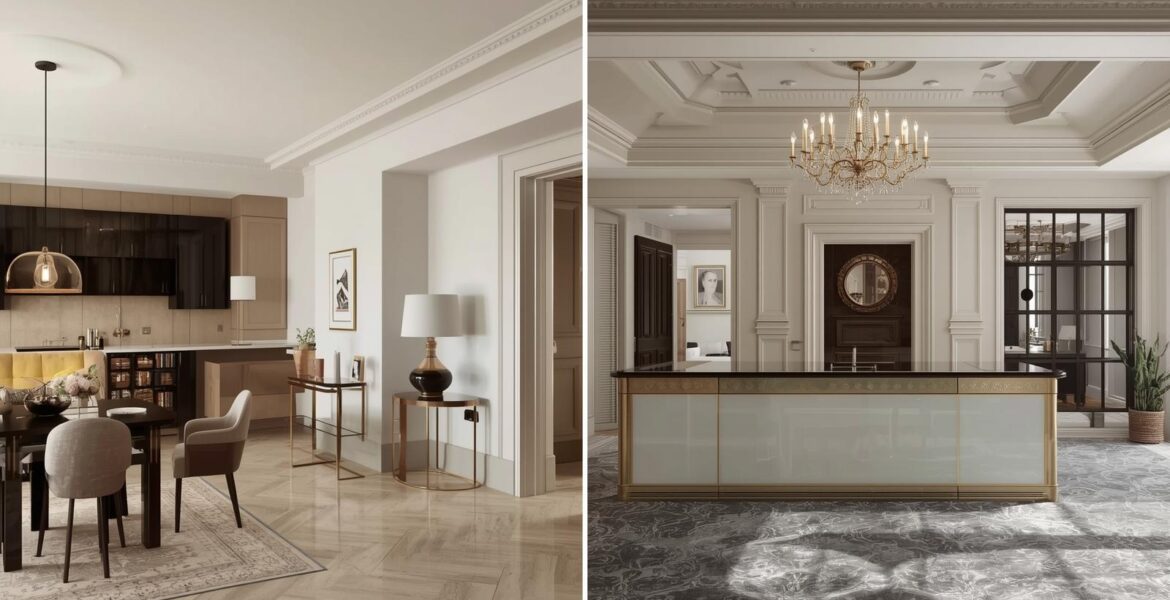
A typical hotel room combines sleeping, working, and relaxing into one area. In contrast, a serviced apartment usually offers:
- A separate living room
- A private bedroom
- A dedicated kitchen
- Often a dining area
This layout creates a more natural living experience. Families can spread out, business travelers can work comfortably, and couples can unwind without feeling confined.
The kitchen is especially valuable. Dining out for every meal during a week-long or month-long stay can significantly increase travel expenses. With a full kitchen, you can prepare breakfast, store snacks, or cook simple dinners, reducing costs and offering healthier options.
Another convenience is in-unit laundry. Many serviced apartments include a washer and dryer, allowing guests to pack lighter and avoid expensive hotel laundry services.
Cost Comparison: Are Serviced Apartments Cheaper?
At first glance, hotel nightly rates may seem competitive. However, comparing base prices alone does not provide a complete picture.
When evaluating total travel costs, consider:
- Daily restaurant meals
- Laundry expenses
- Parking fees
- Wi-Fi charges
- Extended stay discounts
Serviced apartments typically offer tiered pricing, meaning longer stays result in lower per-night rates. Weekly and monthly discounts are common. Hotels may offer limited extended-stay deals, but they are often less significant.
For stays of seven nights or more, serviced accommodation frequently becomes more cost-effective overall, especially when kitchen and laundry savings are factored in.
Service and Reliability
One important distinction between serviced apartments and peer-to-peer rentals is professional management.
Serviced apartments are operated by hospitality companies. This typically ensures:
- Consistent cleanliness standards
- 24/7 support or reception services
- Clear booking terms
- Reliable maintenance
In contrast, private rentals may vary in quality and responsiveness depending on the individual host.
This professional structure gives guests peace of mind while still providing the flexibility of apartment-style living.
Who Benefits Most from Serviced Accommodation?
Serviced apartments are particularly well suited for:
Business Travelers
Professionals on extended assignments benefit from workspace, privacy, and a home-like environment during long projects.
Relocations
Individuals or families transitioning between homes can use serviced accommodation as temporary housing while securing permanent arrangements.
Families on Vacation
Extra bedrooms and kitchen facilities make it easier to manage meals and routines when traveling with children.
Digital Nomads and Remote Workers
Stable Wi-Fi, dedicated work areas, and residential comfort support productive long stays.
In each case, the combination of space and service provides an advantage over both standard hotels and private rentals.
When a Traditional Hotel Makes More Sense
Serviced apartments are ideal for extended stays, but traditional hotels still have advantages for certain trips.
Hotels may be preferable for:
- Short weekend getaways
- Luxury experiences with daily concierge services
- Destinations where apartment-style options are limited
For brief stays, the convenience of daily housekeeping and centralized amenities may outweigh the need for extra space.
What to Check Before Booking
To ensure you choose the right serviced apartment, review these details before confirming your reservation:
- Cleaning frequency and linen replacement schedule
- Included utilities, Wi-Fi, and parking
- Kitchen equipment availability
- Cancellation policies
- Proximity to public transport, shops, and restaurants
- Recent guest reviews
Using major booking platforms or dedicated serviced apartment providers can help streamline the process.
The Smarter Choice for Longer Stays
Serviced accommodation bridges the gap between hotel comfort and residential living. For travelers staying longer than a week, the added space, kitchen access, and extended-stay pricing can significantly improve both comfort and value.
Instead of choosing between a cramped hotel room and an unmanaged rental, serviced apartments offer a balanced alternative. They provide the freedom of home living combined with the reassurance of professional service.
For extended travel, that combination often makes all the difference.