
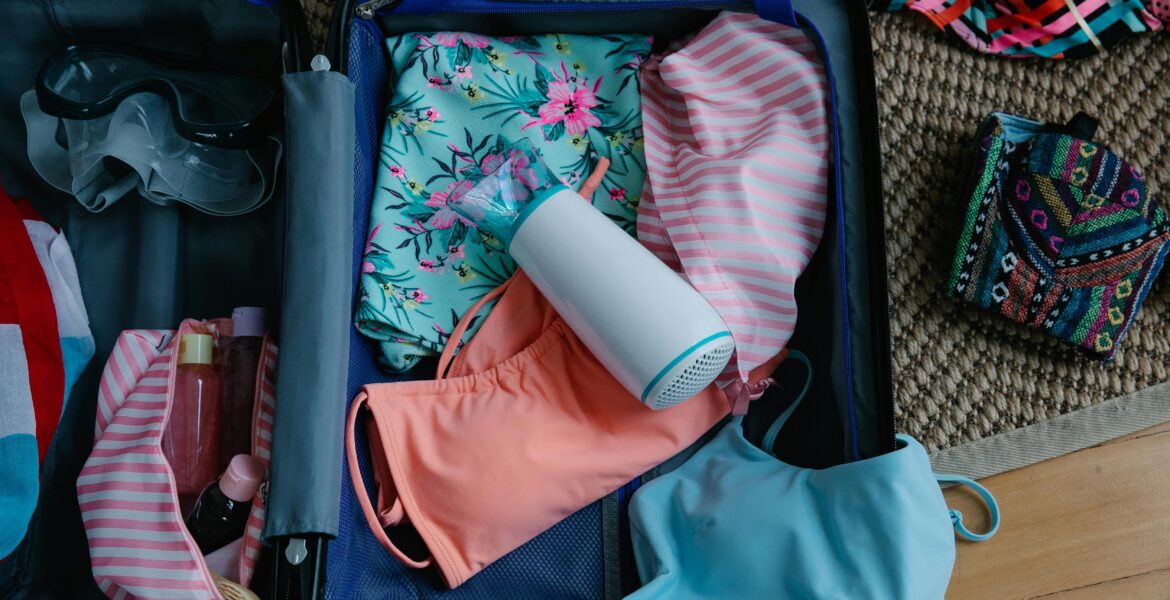
We have all been there: sitting on top of a bulging suitcase, forcing the zipper shut while wondering if we packed enough socks. While this struggle feels like a standard part of travel, carrying that extra weight creates more than just physical strain on your journey.
Psychologists often refer to the mental exhaustion caused by too many options as decision fatigue, and it follows you when you over-pack. Stuffing your bag with just-in-case items does not actually prepare you for disaster; it simply adds unnecessary stress to your daily routine. Fortunately, you can eliminate this burden by focusing on true packing essentials, allowing you to shed 20% of the bulk and transition from a stressed hauler to a confident, organized traveler.
Hardshell vs. Softside: Which Suitcase Saves You More Stress?
Choosing between a hardshell and a softside suitcase really comes down to whether you prioritize accessibility or protection. A rugged polycarbonate shell acts like a helmet for your belongings, keeping fragile souvenirs safe from rough handling, but it usually sacrifices those handy exterior pockets perfect for stashing a book or passport. Softside bags offer convenient flexibility for last-minute additions, yet they leave your clothes more vulnerable to getting crushed in a jam-packed overhead bin.
Be careful with the expandable feature found on many modern bags, as this helpful tool often becomes a hidden budget trap. Unzipping that expansion gusset might fit more clothes, but it frequently pushes the bag’s dimensions past strict carry-on size requirements, forcing an involuntary gate-check. Even if it fits visually, filling that extra volume makes it remarkably easy to exceed weight limits, triggering surprise fees before you even reach security.
The smartest way to prevent a bursting zipper is not buying a bigger bag, but rethinking what you put inside.
The 5-4-3-2-1 Rule: Creating a Capsule Wardrobe for Any Climate
Stop staring at your closet wondering if you need that fourth pair of jeans. The secret to fitting a week’s worth of clothes into a carry-on is applying the 5-4-3-2-1 formula. This method creates a foolproof system for planning outfits for multi-destination travel, ensuring you never run out of options even if you run out of space.
Think of this as your packing pyramid, designed so every item works hard for its spot in your bag. Pack five tops such as t-shirts, button-downs, or blouses; four bottoms such as jeans, trousers, or skirts; three pairs of shoes such as walking shoes, dress shoes, and sandals; two bags such as a daypack and a purse or tote; and one accessory such as a hat, scarf, or sunglasses.
Success with this limited count relies on choosing versatile pieces that work together effortlessly. Stick to a neutral color palette like navy or grey for your core items, and prioritize wrinkle-resistant fabrics like merino wool or synthetics that bounce back after hours in a suitcase. Avoid heavy cottons that require ironing or take days to dry. Adapting this formula for different climates is simple: swap the t-shirts for thermal layers or the shorts for wool trousers based on the forecast.
Packing Cubes vs. Compression Bags: Mastering Your Suitcase Tetris
Now that you have your clothes picked out, the battle shifts to fitting them all inside. Packing cubes act like portable drawers that compartmentalize your gear for easy retrieval, perfect for keeping a minimalist packing list organized. Compression bags vacuum out excess air to flatten bulky items like sweaters, though they often leave clothes wrinkled and harder to access quickly.
Instead of stacking items like you would in a dresser, try the tight roll method by smoothing a garment flat and rolling it snugly from the bottom up to squeeze out air pockets. This technique turns soft clothing into dense cylinders that fill awkward gaps while significantly reducing the deep creases caused by heavy folding.
A perfectly packed bag is also about structural balance. Place your heaviest rolled items, such as shoes and denim, near the wheels of the suitcase to keep the center of gravity low and prevent the bag from tipping over while you navigate the terminal.
TSA 3-1-1 Mastery: Preventing Leaks and Breezing Through Security
Getting through airport security should not feel like a pop quiz. The TSA 3-1-1 liquids rule is rigid but manageable: stick to 3.4-ounce containers packed in a single quart-sized bag per person. To maximize space, swap traditional bottles for solid alternatives like shampoo bars or toothpaste tabs, which bypass these volume limits entirely.
Air pressure changes at altitude often force fluids out of closed bottles, creating a disaster inside your suitcase. You can prevent toiletry leaks with a zero-cost hack: unscrew the cap, place a small square of plastic wrap over the opening, and screw the lid back on tightly to create a secondary seal.
To ensure a mess-free arrival, swap three liquid items for solid versions such as soap, deodorant, and perfume. Transfer remaining liquids into reusable silicone travel tubes. Apply the plastic wrap seal to all bottle openings, and double-bag your 3-1-1 kit in a heavy-duty freezer bag.
The Personal Item Strategy: Essential Tech and Documents within Reach
While your main carry-on lives in the overhead bin, your under-seat bag serves as your in-flight survival kit. Focus on comfort and power, and make sure to research universal travel adapter types so you can recharge your devices immediately upon landing.
Technology is convenient until a battery dies or a phone is misplaced. Smart travelers always carry a physical folder containing copies of essential travel documents and emergency contacts, as paper copies of your passport and hotel confirmations work even when digital systems fail.
Prioritize high-utility items in your personal bag: your wallet and ID or passport, prescription medications which should never be checked, noise-canceling headphones, a light layer for cold cabins, and a portable power bank.
From Over-Packer to Pro: Your Final 24-Hour Action Plan
You now possess the strategy to trade heavy baggage fees for total peace of mind. Remember, if you forget a toothbrush, you can buy one at your destination, but you cannot buy back a stress-free start to your vacation.
To lock in that confidence, perform a final weight check before you leave to guarantee no airport surprises. Weigh your bag now and depart worry-free.