
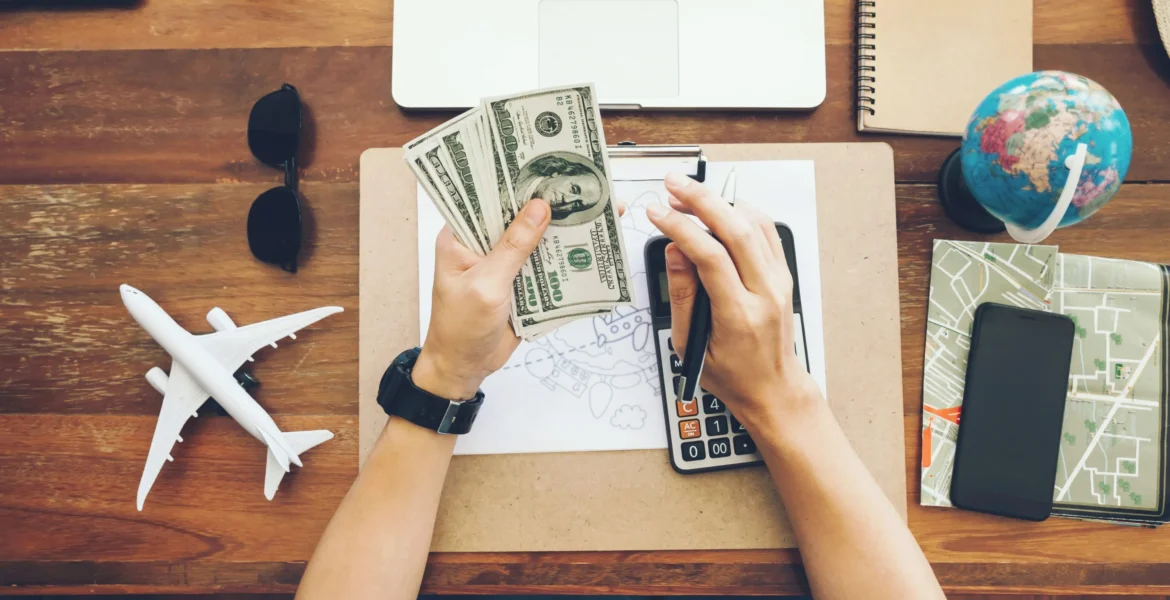
Planning an international trip is exciting, but without a proper budget, expenses can quickly get out of control. Creating a well-structured travel budget helps you manage your money, avoid unnecessary stress, and fully enjoy your journey.
In this guide, you’ll learn how to create a travel budget for international trips step by step, along with practical tips, a comparison table, and FAQs.
Why a Travel Budget is Important
A travel budget ensures that you:
- Stay within your financial limits
- Avoid overspending
- Plan your trip more efficiently
- Prepare for unexpected expenses
Whether you’re traveling for leisure, business, or adventure, budgeting is key to a smooth experience.
Step-by-Step Guide to Creating a Travel Budget
1. Determine Your Total Budget
Start by deciding how much money you can afford to spend on your trip. This should include savings and any extra funds you’re willing to allocate.
Be realistic and avoid relying on credit unless necessary.
2. Choose Your Destination Wisely
Your destination significantly impacts your budget. Some countries are more affordable than others in terms of accommodation, food, and transportation.
Research the cost of living in your chosen destination before finalizing your plans.
3. Estimate Major Expenses
Break down your trip into major cost categories:
Flights
Airfare is often the biggest expense. Book early and compare prices across platforms.
Accommodation
Options range from budget hostels to luxury hotels. Choose based on your budget and comfort level.
Transportation
Include local transport such as buses, taxis, trains, or rental cars.
Food
Estimate daily meal costs depending on whether you plan to eat out or cook.
Activities
Include entry tickets, tours, and experiences you want to enjoy.
4. Create a Daily Spending Plan
Divide your total budget by the number of travel days to get a daily spending limit. This helps you control expenses and track your spending.
5. Add a Buffer for Emergencies
Always set aside 10–20% of your budget for unexpected costs like medical emergencies, delays, or last-minute changes.
Travel Budget Breakdown Table
| Expense Category | Estimated Cost (%) | Description |
|---|---|---|
| Flights | 30–40% | International airfare |
| Accommodation | 20–30% | Hotels, hostels, or rentals |
| Food | 10–15% | Meals and snacks |
| Transportation | 10–15% | Local travel |
| Activities | 5–10% | Tours and attractions |
| Miscellaneous | 5–10% | Shopping, tips, extras |
Tips to Save Money on International Travel
Book in Advance
Flights and accommodations are usually cheaper when booked early.
Travel During Off-Season
Avoid peak travel seasons to save money on flights and hotels.
Use Budget Airlines
Low-cost carriers can significantly reduce airfare expenses.
Choose Affordable Accommodation
Consider hostels, guesthouses, or vacation rentals instead of luxury hotels.
Track Your Expenses
Use apps or a simple notebook to monitor your daily spending.
Budgeting for Different Types of Travelers
Budget Travelers
- Stay in hostels
- Use public transport
- Eat local street food
Mid-Range Travelers
- Stay in 3-star hotels
- Mix of dining options
- Book guided tours occasionally
Luxury Travelers
- Stay in high-end hotels
- Private transport
- Fine dining and premium experiences
Common Mistakes to Avoid
Underestimating Costs
Always research thoroughly to avoid surprises.
Ignoring Currency Exchange Rates
Fluctuations can impact your overall budget.
Not Planning for Emergencies
Unexpected situations can arise anytime.
Overspending Early in the Trip
Stick to your daily budget to avoid running out of money.
Tools to Help You Budget
- Travel budgeting apps
- Currency converters
- Expense tracking apps
- Online travel planners
These tools make it easier to manage your finances on the go.
How Travel Goals Affect Your Budget
Your travel purpose also influences your budget. For example, if you’re planning adventure trips inspired by guides like Best Mountain Destinations for Adventure Travel, you may need to allocate more funds for gear, guides, and specialized activities.
Benefits of Budgeting Your Trip
- Reduces financial stress
- Helps you prioritize spending
- Ensures a smoother travel experience
- Allows better financial control
FAQs
How much should I budget for an international trip?
It depends on your destination, travel style, and duration. Research average costs and plan accordingly.
What is the best way to track travel expenses?
You can use budgeting apps or keep a daily record of your spending.
Should I carry cash or use a card?
It’s best to use a mix of both for convenience and safety.
How can I save money on flights?
Book early, compare prices, and travel during off-peak seasons.
Is travel insurance necessary?
Yes, it protects you from unexpected costs like medical emergencies or trip cancellations.
What percentage of my budget should go to accommodation?
Typically, 20–30% of your total budget is allocated to accommodation.
Conclusion
Creating a travel budget for international trips is essential for a stress-free and enjoyable experience. By planning your expenses, setting realistic limits, and tracking your spending, you can make the most of your journey without financial worries.