
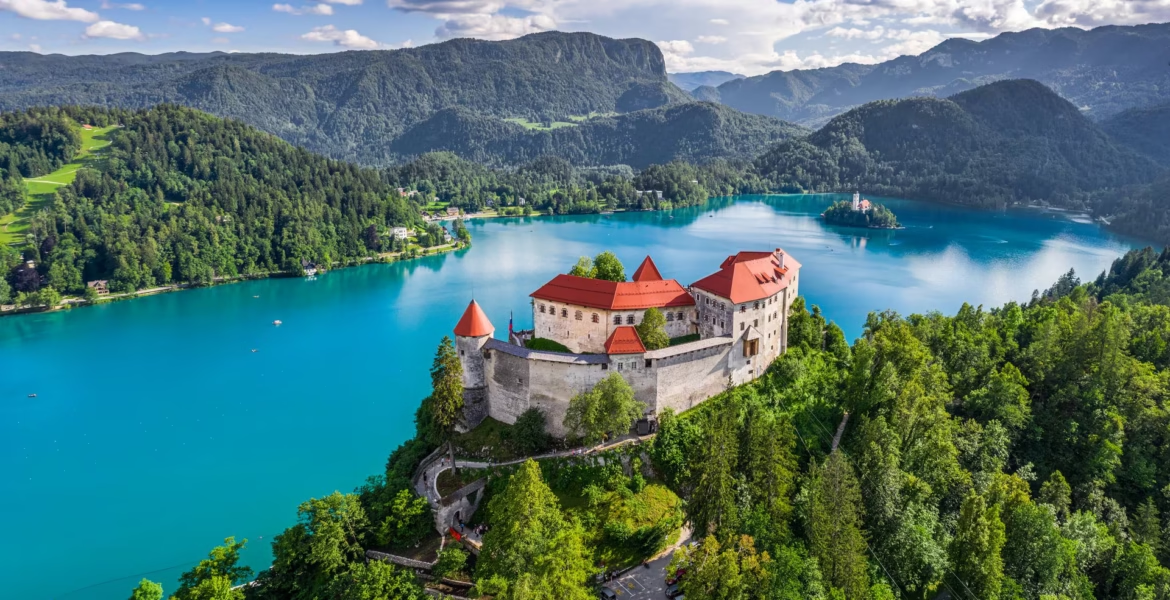
Europe is home to some of the most impressive and historically significant castles in the world. From medieval fortresses perched on cliffs to Renaissance palaces surrounded by gardens, castles offer a glimpse into Europe’s rich past. Exploring these structures allows travelers to experience history, architecture, and culture firsthand.
This guide highlights the most remarkable historical castles to visit in Europe, including tips on accessibility, photography opportunities, and unique features that make each one memorable.
Why Castles Are Fascinating
Castles are more than tourist attractions—they are living pieces of history. They tell stories of royalty, battles, and cultural evolution. Many castles have been preserved or restored, offering visitors an authentic experience of European heritage.
Travelers looking to explore castles often pack efficiently and thoughtfully, similar to how adventurers select their equipment for Best Travel Gear for Solo Adventurers, ensuring comfort and convenience while maximizing exploration time.
Top Historical Castles in Europe
1. Neuschwanstein Castle, Germany
Nestled in the Bavarian Alps, Neuschwanstein Castle is perhaps the most iconic castle in Europe. Built in the 19th century by King Ludwig II, its fairytale-like appearance inspired many stories and films.
Highlights:
-
Stunning alpine backdrop
-
Romantic architecture
-
Interior guided tours with ornate rooms
Best time to visit: Spring and summer for clear skies
2. Château de Chambord, France
Château de Chambord is a Renaissance masterpiece located in the Loire Valley. It is famous for its distinctive French architecture and intricate double-helix staircase.
Highlights:
-
Extensive gardens and parklands
-
Iconic Renaissance architecture
-
Photography opportunities from the terrace
Best time to visit: Spring or autumn for fewer crowds
3. Edinburgh Castle, Scotland
Perched atop Castle Rock, Edinburgh Castle dominates the city skyline and offers panoramic views. Its history spans over a thousand years, from royal residence to military fortress.
Highlights:
-
Scottish Crown Jewels and Stone of Destiny
-
Military history exhibits
-
Breathtaking city views
Best time to visit: Early morning to avoid peak tourist hours
4. Alcázar of Segovia, Spain
The Alcázar of Segovia resembles a ship rising from the land, with a unique conical roof design. This medieval castle played an important role in Spanish history and is a popular tourist destination.
Highlights:
-
Tower climbing with scenic views
-
Historical armory and royal chambers
-
Dramatic exterior architecture
Best time to visit: Spring or autumn for mild weather
5. Hohensalzburg Fortress, Austria
Overlooking Salzburg, Hohensalzburg Fortress is one of Europe’s largest medieval castles. It provides insights into Austrian history and impressive city panoramas.
Highlights:
-
Funicular ride to the top
-
Medieval museums
-
City and alpine views
Best time to visit: Summer for longer daylight hours
6. Windsor Castle, England
Windsor Castle is the oldest and largest inhabited castle in the world. It remains a working royal residence and offers visitors the chance to explore centuries of British history.
Highlights:
-
Royal State Apartments
-
St George’s Chapel
-
Beautiful gardens
Best time to visit: Spring for blooming gardens
7. Bran Castle, Romania
Bran Castle, often referred to as “Dracula’s Castle,” is perched on a cliff in Transylvania. It blends Gothic and medieval architecture and has a mysterious aura.
Highlights:
-
Medieval furniture and artifacts
-
Folklore and legends
-
Stunning surrounding landscapes
Best time to visit: Autumn for dramatic scenery
Comparison Table: Historical Castles in Europe
| Castle | Country | Era | Unique Feature | Best Time to Visit |
|---|---|---|---|---|
| Neuschwanstein | Germany | 19th century | Fairytale architecture | Spring–Summer |
| Château de Chambord | France | 16th century | Renaissance design | Spring–Autumn |
| Edinburgh Castle | Scotland | 11th–16th century | Panoramic city views | Early morning |
| Alcázar of Segovia | Spain | 12th–16th century | Ship-shaped design | Spring–Autumn |
| Hohensalzburg Fortress | Austria | 11th–15th century | Largest medieval fortress | Summer |
| Windsor Castle | England | 11th century | Inhabited royal residence | Spring |
| Bran Castle | Romania | 14th century | Gothic & folklore appeal | Autumn |
Tips for Visiting Historical Castles
-
Check opening hours and ticket availability in advance
-
Wear comfortable shoes, as many castles have steep stairs
-
Bring a camera or smartphone for photography
-
Consider guided tours for deeper historical context
-
Respect restricted areas and preservation rules
FAQs: Historical Castles to Visit in Europe
Are these castles suitable for families?
Yes, most castles are family-friendly, though some may have steep stairs or limited accessibility for strollers.
How much time should I spend at each castle?
Plan for 2–4 hours per castle to explore interiors, gardens, and take photos.
Are guided tours recommended?
Guided tours are highly recommended to learn the historical significance and hidden stories of each castle.
Can I visit castles year-round?
Many castles are open year-round, but some may have seasonal closures or reduced hours.
Are photography and drones allowed?
Photography is generally allowed, but drone use is restricted in most historic sites. Always check local rules.
Conclusion
Exploring historical castles in Europe offers a fascinating journey through architecture, culture, and history. From the fairytale-like Neuschwanstein to the imposing Edinburgh Castle and the mysterious Bran Castle, each destination provides a unique glimpse into Europe’s past.
With proper planning, comfortable footwear, and attention to seasonal variations, visiting these castles can become a memorable adventure, combining both education and visual delight.