
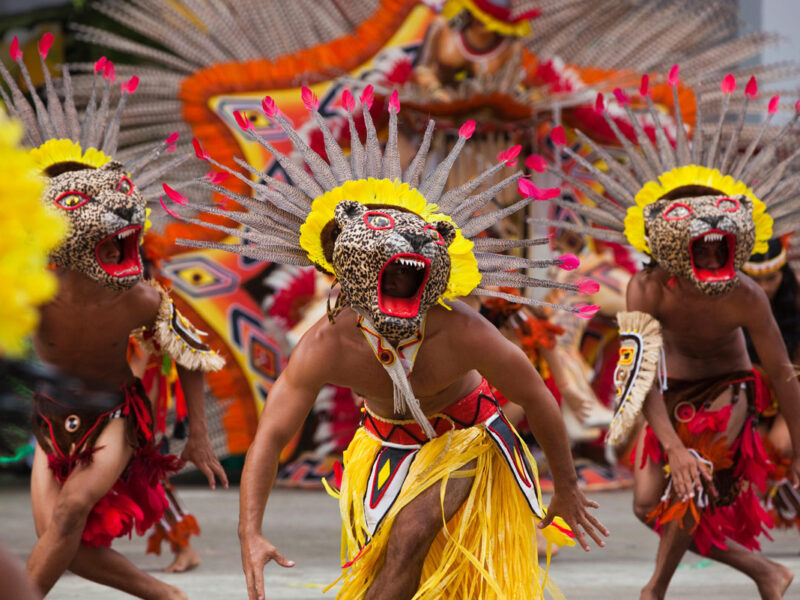
South America is one of the most culturally rich regions in the world. From ancient civilizations and colonial architecture to living indigenous traditions and vibrant modern cultures, the continent offers travelers immersive experiences that go far beyond sightseeing. Cultural travel experiences in South America allow visitors to connect with local communities, understand historical influences, and participate in traditions that have been preserved for generations.
This article explores the most meaningful cultural travel experiences across South America and how travelers can engage respectfully and authentically.
What Makes South America a Cultural Travel Destination?
South America’s culture is shaped by a blend of indigenous heritage, European colonization, African influences, and modern global trends. Each country offers distinct customs, languages, music, cuisine, and social traditions.
Key cultural elements include:
-
Ancient civilizations such as the Inca and Moche
-
Colonial-era cities and architecture
-
Indigenous languages and rituals
-
Music and dance traditions
-
Deep-rooted culinary practices
Cultural travel in South America is about participation, not observation.
Indigenous Heritage and Living Traditions
One of the most powerful cultural experiences in South America is engaging with indigenous communities. Many regions preserve traditional ways of life that predate European contact.
Travelers can experience:
-
Traditional weaving and textile-making
-
Indigenous farming methods
-
Ancestral ceremonies and festivals
-
Local storytelling and oral history
Respectful engagement and guided community visits help preserve these traditions while supporting local economies.
Historic Cities and Colonial Influence
South America’s colonial history is visible in its cities, architecture, and social customs. Cobblestone streets, plazas, cathedrals, and government buildings reflect centuries of European influence blended with local culture.
Cultural highlights often include:
-
Walking tours of historic city centers
-
Museums focused on colonial and pre-colonial history
-
Traditional markets located in old town districts
These cities offer insight into how history shaped modern South American identity.
Music, Dance, and Festivals
Music and dance are central to South American culture. Each region has its own rhythms and performance styles tied to history and community life.
Cultural travel experiences often involve:
-
Attending local festivals
-
Watching traditional dance performances
-
Participating in community celebrations
-
Learning regional music styles
Festivals provide an authentic glimpse into cultural pride and collective identity.
Culinary Traditions and Food Culture
Food is a powerful expression of culture in South America. Meals are often social events tied to family, community, and tradition.
Cultural food experiences include:
-
Visiting local markets
-
Learning traditional cooking techniques
-
Sharing meals with local families
-
Understanding regional ingredients and flavors
Food-focused travel allows deeper cultural understanding through everyday life.
Rural Life and Community-Based Tourism
Beyond major cities, rural areas offer some of the most authentic cultural experiences. Community-based tourism allows travelers to stay with local families and participate in daily routines.
These experiences may involve:
-
Farming and harvesting activities
-
Traditional crafts
-
Local schooling and storytelling
-
Nature-based cultural practices
Such travel supports sustainable tourism and cultural preservation.
Language and Communication as Cultural Bridges
Language plays a major role in cultural immersion. Even basic communication in local languages enhances travel experiences.
Benefits of learning key phrases include:
-
Stronger local connections
-
Increased cultural respect
-
More meaningful interactions
-
Better understanding of customs
Language is often the gateway to deeper cultural exchange.
Cultural Experience Comparison Across Regions
| Region | Cultural Highlight | Experience Type |
|---|---|---|
| Andes | Indigenous traditions | Community immersion |
| Coastal Areas | Music and cuisine | Festival participation |
| Amazon | Ancestral knowledge | Guided cultural tours |
| Colonial Cities | Historic heritage | Walking and museum tours |
Each region offers a unique cultural perspective shaped by geography and history.
South America vs Other Cultural Destinations
Travelers interested in cultural depth often compare regions. While destinations such as Affordable All-Inclusive Resorts in the Caribbean focus on relaxation and convenience, South America appeals to those seeking immersion, learning, and direct engagement with local cultures.
Both offer value, but cultural travel in South America emphasizes experience over luxury.
Responsible Cultural Travel Tips
To ensure positive impact:
-
Respect local customs and dress codes
-
Ask permission before taking photos
-
Support local businesses and guides
-
Learn about cultural norms in advance
-
Avoid exploitative tourism practices
Responsible travel helps protect cultural heritage.
FAQs: Cultural Travel Experiences in South America
Is South America safe for cultural travel?
Yes, with proper planning, local guidance, and awareness, cultural travel is safe and rewarding.
Do I need to speak Spanish or Portuguese?
Not fluently, but learning basic phrases greatly enhances cultural interactions.
Are cultural experiences suitable for solo travelers?
Yes. Many cultural programs are ideal for solo travelers seeking connection.
What is the best time for cultural festivals?
Festival dates vary by country, but many occur during local holidays and harvest seasons.
Can cultural travel support local communities?
Yes. Community-based tourism directly benefits local economies and cultural preservation.
Final Thoughts
Cultural travel experiences in South America offer deep connections to history, people, and traditions that shape daily life across the continent. From indigenous heritage and colonial cities to food, music, and rural communities, South America invites travelers to engage authentically and thoughtfully. For those seeking meaningful journeys rather than surface-level tourism, cultural travel in South America delivers lasting insight and unforgettable experiences.