
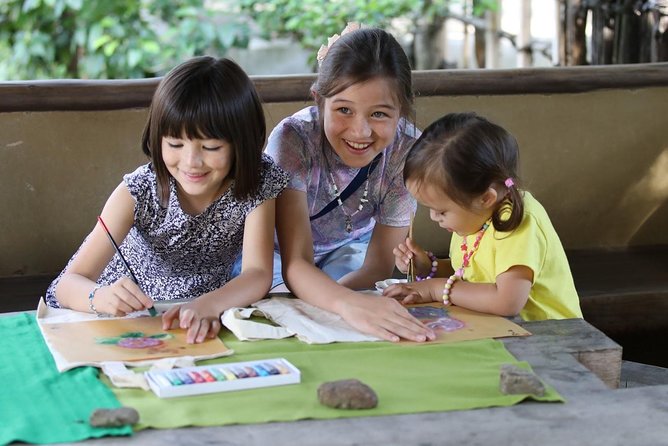
Japan is a country where tradition and modernity coexist harmoniously. From bustling cities to serene countryside, Japan offers travelers unique opportunities to immerse themselves in its rich culture. For visitors seeking more than just sightseeing, cultural immersion experiences provide authentic insights into Japanese customs, arts, and daily life. Participating in these activities allows travelers to connect with local communities and gain a deeper appreciation for Japan’s heritage.
This guide explores the best cultural immersion experiences in Japan, how to access them, and tips for making the most of your visit.
Why Cultural Immersion Matters in Japan
Traveling to Japan is not just about visiting landmarks; it’s about understanding the culture and people behind the scenery. Cultural immersion experiences help visitors:
-
Engage with Locals: Learn directly from people who practice traditional arts and crafts
-
Experience Daily Life: Understand Japanese customs, etiquette, and routines
-
Gain Authentic Knowledge: Participate in activities that go beyond tourist attractions
-
Preserve Memories: Hands-on experiences create lasting, meaningful travel memories
Immersive experiences transform a typical vacation into a journey that educates, entertains, and inspires.
Top Cultural Immersion Experiences in Japan
1. Tea Ceremony Workshops
The Japanese tea ceremony, or chanoyu, is a traditional ritual emphasizing mindfulness, aesthetics, and etiquette. Participating in a tea ceremony allows travelers to experience Japanese hospitality, learn about tea preparation, and understand the philosophy behind the ritual.
Best for: Travelers interested in traditional Japanese culture and etiquette
2. Kimono Wearing and Photography
Wearing a kimono provides a tangible connection to Japan’s history and fashion. Many workshops offer guidance on how to dress properly, and participants can enjoy professional photos while walking through scenic streets or gardens.
Best for: Immersive cultural photography and historical experience
3. Calligraphy Classes (Shodo)
Shodo is the art of Japanese calligraphy. In these classes, participants learn brush techniques, ink preparation, and the aesthetic principles behind each character. It’s a meditative and creative activity that reflects Japanese philosophy and artistry.
Best for: Art enthusiasts and mindfulness practitioners
4. Traditional Cooking Classes
Japanese cuisine is a vital part of cultural heritage. Cooking classes teach participants how to prepare sushi, ramen, or other traditional dishes while learning about the history and cultural significance of each recipe.
Best for: Food lovers seeking hands-on culinary experiences
5. Stay in a Ryokan or Temple
Ryokans and temple stays provide an authentic glimpse into Japanese living. Guests sleep on tatami mats, enjoy kaiseki meals, and participate in morning rituals like meditation or temple services.
Best for: Travelers seeking an immersive and peaceful retreat
6. Local Festivals and Cultural Events
Participating in festivals such as Gion Matsuri in Kyoto or Awa Odori in Tokushima allows travelers to experience traditional music, dance, and rituals firsthand. Engaging with local communities during these events provides deep cultural insights.
Best for: Visitors seeking seasonal and community-centered experiences
Comparison Table: Cultural Immersion Experiences in Japan
| Experience | Location | Duration | Best For | Cost Range |
|---|---|---|---|---|
| Tea Ceremony | Kyoto, Tokyo | 1–2 hours | Cultural etiquette | $–$$ |
| Kimono Wearing | Kyoto, Tokyo | 2–3 hours | Photography & history | $$ |
| Calligraphy (Shodo) | Kyoto, Tokyo, Nara | 1–2 hours | Art & mindfulness | $–$$ |
| Cooking Classes | Tokyo, Osaka | 2–3 hours | Culinary culture | $$ |
| Ryokan or Temple Stay | Kyoto, Koya-san | 1–2 nights | Immersive retreat | $$$ |
| Local Festivals | Nationwide | 1–3 days | Seasonal cultural exposure | $–$$ |
Tips for Experiencing Cultural Immersion in Japan
-
Learn Basic Etiquette: Bowing, removing shoes indoors, and polite greetings are essential.
-
Engage Locals: Ask questions respectfully and show interest in their traditions.
-
Be Open-Minded: Embrace unfamiliar practices and experiences.
-
Plan Ahead: Some workshops and festival activities require advance reservations.
-
Respect Sacred Spaces: Follow rules in temples, shrines, and traditional homes.
By approaching experiences with curiosity and respect, travelers can maximize the authenticity of their cultural immersion.
Frequently Asked Questions (FAQs)
Is Japanese language proficiency necessary?
Not necessarily. Many workshops and tours offer English guidance. Learning basic phrases enhances interaction and appreciation.
Are these experiences suitable for families?
Yes. Activities like kimono wearing, cooking classes, and festival participation are family-friendly and engaging for all ages.
How much time should I allocate for cultural immersion?
Even a single day can offer meaningful experiences, but 3–5 days allows deeper engagement with multiple activities.
Can cultural immersion be combined with sightseeing?
Absolutely. Many activities are located near popular tourist destinations, allowing for a balance of learning and exploration.
Are there any off-the-beaten-path cultural experiences?
Yes. Similar to discovering Off-the-Beaten-Path Destinations in South America, Japan offers hidden villages, lesser-known festivals, and traditional crafts workshops that are less crowded and deeply authentic.
Final Thoughts
Cultural immersion experiences in Japan offer travelers the chance to move beyond sightseeing and engage with the heart of Japanese heritage. Whether participating in a tea ceremony, learning calligraphy, cooking traditional dishes, or attending local festivals, each experience provides valuable insight into the country’s rich culture and history.
By actively participating in these immersive activities, travelers can create lasting memories and develop a genuine understanding of Japan. Just as Off-the-Beaten-Path Destinations in South America provide unique and authentic travel experiences beyond typical tourist spots, Japan’s cultural immersion opportunities allow visitors to connect with the country in meaningful, unforgettable ways.