
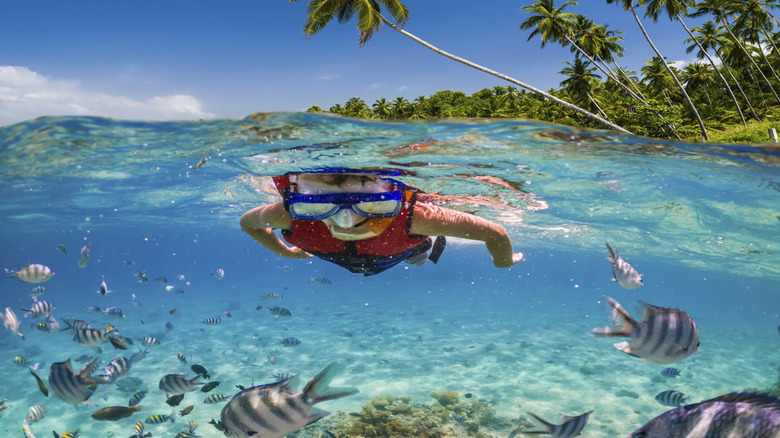
The Caribbean is one of the best regions in the world for snorkeling, especially for beginners. Warm water, excellent visibility, and abundant marine life make it easy for first-time snorkelers to feel comfortable and confident. Many Caribbean islands feature shallow reefs close to shore, gentle currents, and protected bays, allowing beginners to enjoy underwater beauty without advanced skills or equipment.
This guide highlights Caribbean islands perfect for snorkeling beginners, explains what makes them beginner-friendly, and offers practical tips to ensure a safe and enjoyable experience.
What Makes a Snorkeling Spot Beginner-Friendly?
Not all snorkeling locations are ideal for beginners. The best spots share a few important characteristics:
-
Shallow water with gradual entry
-
Calm seas and minimal waves
-
Clear visibility
-
Reefs close to shore
-
Easy beach access rather than boat-only locations
These conditions allow beginners to snorkel at their own pace without feeling overwhelmed.
Aruba
Aruba is one of the top Caribbean islands for beginner snorkelers due to its calm waters and excellent visibility year-round.
Why Aruba Is Ideal
-
Sheltered beaches with gentle waves
-
Shallow reefs close to shore
-
Consistently clear water
-
Well-marked snorkeling areas
Popular beginner-friendly beaches include Malmok Beach and Boca Catalina, where colorful fish can be seen just a few feet from the shoreline.
Grand Cayman
Grand Cayman is known for its easy-access snorkeling spots and calm Caribbean waters.
Beginner Highlights
-
Shallow coral gardens
-
Minimal currents in many locations
-
Easy beach entry points
-
Abundant marine life
Places like Cemetery Beach and Spotts Beach are excellent for beginners looking to snorkel without venturing far from shore.
Bonaire
Often called a snorkeling paradise, Bonaire is especially welcoming to beginners.
What Makes Bonaire Special
-
Protected marine park
-
Clear, warm water
-
Calm conditions throughout the year
-
Snorkeling directly from the beach
Many beaches have marked entry points, making navigation simple and stress-free for first-timers.
Turks and Caicos
Turks and Caicos offers some of the clearest water in the Caribbean, which is perfect for beginners.
Best Features
-
Shallow reef systems
-
Gentle water conditions
-
Excellent visibility
-
Soft sandy beaches
Grace Bay Beach is particularly popular with beginner snorkelers due to its calm waters and accessible reef areas.
St. John, U.S. Virgin Islands
St. John is an excellent destination for beginners who want both natural beauty and easy snorkeling.
Why Beginners Love It
-
Protected national park waters
-
Calm bays with shallow reefs
-
Clearly marked snorkeling trails
-
Rich marine biodiversity
Trunk Bay and Cinnamon Bay are among the best spots for new snorkelers.
Curacao
Curacao offers a wide variety of sheltered coves that are ideal for snorkeling beginners.
Beginner Advantages
-
Minimal wave action in many bays
-
Easy beach access
-
Clear water with vibrant fish
-
Snorkeling spots near resorts
Beaches like Playa Lagun and Cas Abao are perfect for relaxed snorkeling experiences.
Comparison Table: Beginner-Friendly Caribbean Islands
| Island | Water Conditions | Reef Access | Ideal For |
|---|---|---|---|
| Aruba | Very calm | Shore-access | First-time snorkelers |
| Grand Cayman | Calm | Beach and shore | Easy exploration |
| Bonaire | Calm | Direct from beach | Independent snorkeling |
| Turks and Caicos | Calm | Shallow reefs | Clear visibility lovers |
| St. John | Protected bays | Marked trails | Nature-focused trips |
| Curacao | Sheltered coves | Beach access | Relaxed snorkeling |
Best Time of Year for Beginner Snorkeling
The Caribbean generally offers good snorkeling year-round, but beginners may prefer calmer seasons.
-
Best months: December to May
-
Avoid peak hurricane season: Late summer to early fall
-
Morning snorkeling: Usually calmer and clearer
Always check local conditions before entering the water.
Essential Snorkeling Tips for Beginners
Snorkeling is simple, but a few tips can make a big difference:
-
Practice breathing through the snorkel in shallow water
-
Use a flotation vest if needed
-
Avoid touching coral or marine life
-
Stay close to shore
-
Snorkel with a partner
Confidence grows quickly when conditions are calm and supportive.
Equipment Recommendations for Beginners
You do not need advanced gear to start snorkeling.
-
Well-fitting mask to prevent leaks
-
Comfortable snorkel with splash guard
-
Fins for gentle propulsion
-
Optional flotation belt for added confidence
Many Caribbean resorts also offer beginner-friendly equipment rentals.
Why the Caribbean Is Ideal for First-Time Snorkelers
The Caribbean’s geography creates natural reefs that protect beaches from strong waves. Combined with warm water and high visibility, this creates ideal conditions for learning and enjoying snorkeling without stress. Much like how travelers appreciate relaxed experiences such as Scenic Train Journeys for Seniors in Europe, beginner snorkelers benefit most from slow-paced, comfortable environments.
Common Mistakes Beginners Should Avoid
-
Snorkeling in rough conditions
-
Entering water without checking depth
-
Overestimating swimming ability
-
Touching coral reefs
-
Staying in the water too long
Being cautious ensures a positive first experience.
Final Thoughts
Caribbean islands perfect for snorkeling beginners offer calm waters, easy reef access, and unforgettable underwater scenery. Destinations like Aruba, Bonaire, Grand Cayman, and St. John provide the ideal balance of safety and beauty for first-time snorkelers. With the right location, simple equipment, and a relaxed approach, beginners can enjoy an incredible introduction to snorkeling while creating lasting travel memories.