
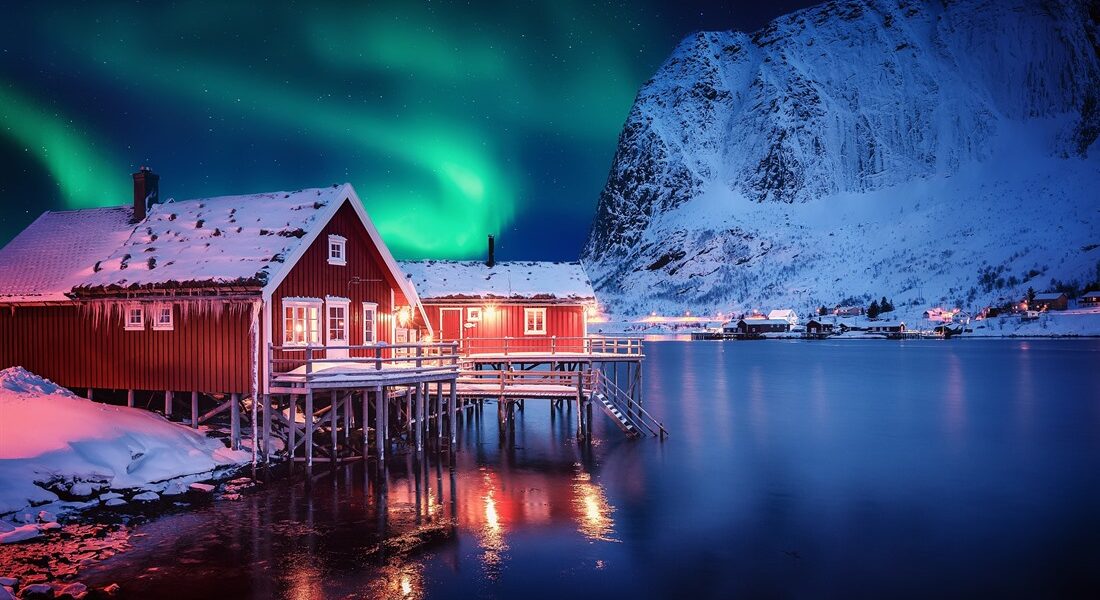
Witnessing the Northern Lights, also known as the Aurora Borealis, is a dream for many travelers. Norway is one of the best places in the world to experience this magical natural phenomenon. If you’re planning your trip, understanding the best time to see Northern Lights in Norway is essential to maximize your chances.
This complete guide will help you choose the ideal months, locations, and conditions for an unforgettable aurora experience.
What Are the Northern Lights?
The Northern Lights occur when charged particles from the sun collide with gases in Earth’s atmosphere, creating glowing waves of green, purple, and pink light in the sky. Norway’s northern location, especially above the Arctic Circle, makes it one of the top destinations for aurora viewing.
Best Months to See Northern Lights in Norway
The best time to see Northern Lights in Norway is between late September and late March.
Why These Months?
-
Longer, darker nights
-
Clear winter skies
-
Peak solar activity visibility
-
Higher chances of aurora sightings
Monthly Breakdown
September – October
-
Beginning of aurora season
-
Milder temperatures
-
Autumn landscapes
November – January
-
Polar night in northern Norway
-
Maximum darkness
-
High aurora activity
February – March
-
Snow-covered scenery
-
Slightly longer daylight
-
Great balance of weather and visibility
March is often considered one of the best months due to more stable weather conditions.
Best Places in Norway to See the Northern Lights
Location plays a crucial role when planning your aurora trip.
1. Tromsø
Often called the “Gateway to the Arctic,” Tromsø offers excellent aurora visibility and easy access to tours.
2. Lofoten Islands
Dramatic mountain backdrops combined with dancing lights create stunning photography opportunities.
3. Alta
Known as the “City of the Northern Lights,” Alta has a strong history of aurora research.
4. Kirkenes
Close to the Russian border, this remote destination provides dark skies and fewer crowds.
All these destinations lie above the Arctic Circle, increasing your chances of sightings.
Best Time of Day to See the Northern Lights
The ideal time is between 9 PM and 2 AM.
However, auroras can appear anytime after sunset. The key requirement is:
-
Clear skies
-
Minimal light pollution
-
Strong solar activity
Always check aurora forecasts and weather reports before heading out.
Weather Conditions Matter
Even during peak season, cloud cover can block visibility. For the best time to see Northern Lights in Norway, look for:
-
Clear skies
-
Cold temperatures
-
Rural or remote areas
-
Limited artificial lighting
Sometimes, tour guides drive to different areas to escape cloud cover.
Temperature Guide for Aurora Season
| Month | Average Temperature (Northern Norway) |
|---|---|
| September | 5°C to 10°C |
| October | 0°C to 7°C |
| November | -5°C to 3°C |
| December | -10°C to 0°C |
| January | -15°C to -5°C |
| February | -12°C to -3°C |
| March | -10°C to 0°C |
Proper winter clothing is essential, as temperatures can drop significantly.
Tips to Increase Your Chances
-
Stay at least 3–4 nights in Northern Norway
-
Join guided aurora tours
-
Monitor solar activity apps
-
Use a tripod for photography
-
Be patient — auroras are unpredictable
Unlike structured itineraries like How to Travel Europe by Train on a Budget, chasing the Northern Lights requires flexibility and adaptability to weather conditions.
Is Winter the Only Option?
Technically, auroras occur year-round. However, during summer months (May to August), Norway experiences the Midnight Sun — meaning it never gets dark enough to see the lights.
Therefore, winter is the only practical season for aurora viewing.
Why Norway Is One of the Best Aurora Destinations
-
Easy access to Arctic regions
-
Safe and well-developed infrastructure
-
Professional aurora tours
-
Stunning natural landscapes
-
High latitude for strong visibility
Norway combines comfort with adventure, making it ideal even for first-time Arctic travelers.
Budget Considerations
Northern Norway can be expensive, especially during peak season (December holidays).
Estimated daily costs:
-
Accommodation: €100–€250
-
Aurora tour: €100–€200
-
Food: €30–€60
-
Winter gear rental: €20–€50
Booking in advance helps secure better rates.
FAQs
1. What is the absolute best month to see Northern Lights in Norway?
March and February are often considered the best due to clearer skies and strong solar activity.
2. Can you see Northern Lights every night in Norway?
No. Aurora visibility depends on solar activity and weather conditions.
3. Do I need to book a tour?
While not mandatory, guided tours significantly increase your chances of finding clear skies.
4. How many days should I stay?
Plan at least 3–4 nights for better chances of sightings.
5. Is Norway safe for winter travel?
Yes, Norway is very safe, but proper winter clothing and planning are essential.
Final Thoughts
The best time to see Northern Lights in Norway is between late September and March, with peak visibility during the darkest winter months. Choosing northern destinations like Tromsø or Alta, monitoring weather forecasts, and staying multiple nights will improve your chances of witnessing this breathtaking natural spectacle.