
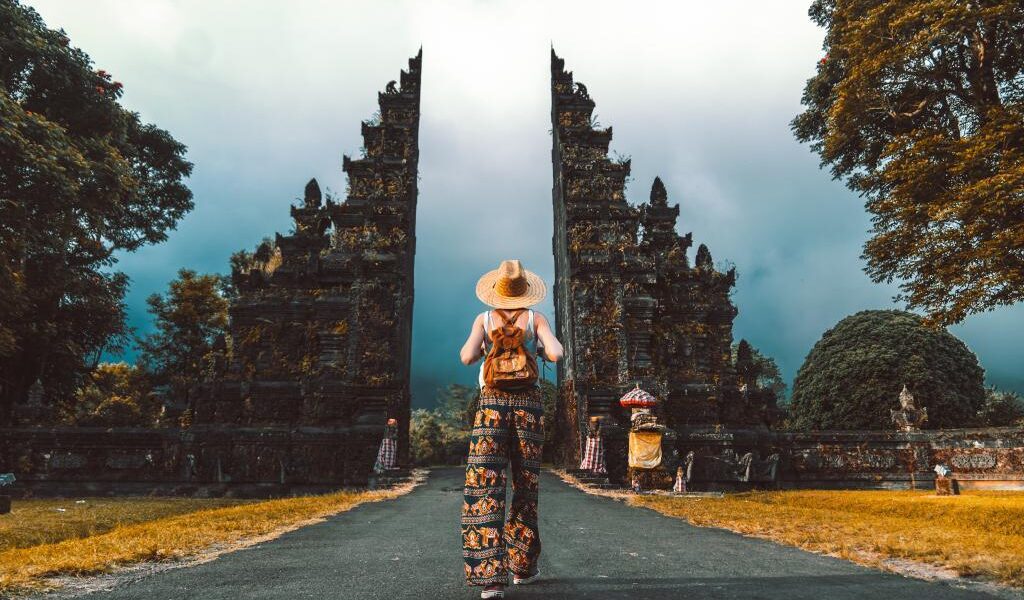
Traveling is not just about sightseeing; it’s about experiencing the traditions, history, food, and lifestyle of different cultures. Cultural travel allows you to connect deeply with a destination, offering meaningful experiences that go beyond typical tourism. From ancient cities to vibrant festivals, the world is full of destinations that provide rich cultural immersion.
Why Choose Cultural Travel?
Cultural travel helps you understand the world from different perspectives. It allows you to explore heritage, art, architecture, and local customs while creating unforgettable memories.
Benefits of Cultural Travel:
-
Deeper Understanding: Learn about traditions and local ways of life
-
Authentic Experiences: Engage with communities and local practices
-
Educational Value: Discover history, art, and heritage
-
Personal Growth: Broaden your worldview
Top Destinations for Cultural Travel Experiences
Here are some of the best places around the world known for their rich cultural heritage:
| Destination | Key Cultural Highlights | Best Time to Visit |
|---|---|---|
| Kyoto, Japan | Temples, tea ceremonies, geisha culture | March–May, October–November |
| Rome, Italy | Ancient ruins, art, architecture | April–June, September–October |
| Marrakech, Morocco | Souks, traditional markets, cuisine | March–May, September–November |
| Varanasi, India | Spiritual rituals, Ganges River culture | October–March |
| Cusco, Peru | Incan heritage, historical sites | May–September |
| Istanbul, Turkey | Blend of Eastern and Western cultures | April–May, September–November |
| Cairo, Egypt | Pyramids, ancient Egyptian history | October–April |
Explore Historical Landmarks
Cultural travel often begins with historical landmarks. Cities like Kyoto and Rome are filled with temples, monuments, and ruins that tell stories of ancient civilizations. Walking through these sites gives you a sense of connection to the past.
Experience Local Traditions and Festivals
Participating in local festivals is one of the best ways to experience culture. Whether it’s traditional dances, religious ceremonies, or seasonal celebrations, these events showcase the spirit and identity of a community.
Discover Authentic Cuisine
Food is a major part of culture. Trying local dishes allows you to experience the flavors and traditions of a region. From street food markets in Marrakech to traditional meals in Istanbul, culinary experiences are essential for cultural travelers.
Engage with Local Communities
Interacting with locals provides deeper insight into their way of life. Visiting villages, attending workshops, or staying in homestays can offer authentic cultural experiences that you won’t find in guidebooks.
Visit Museums and Art Galleries
Museums and galleries preserve the artistic and historical heritage of a place. They provide valuable context about a destination’s culture, traditions, and evolution over time.
Tips for Meaningful Cultural Travel
-
Respect Local Customs: Learn basic etiquette and traditions
-
Learn Basic Phrases: Understanding the local language enhances interaction
-
Support Local Businesses: Buy from local artisans and markets
-
Travel Responsibly: Preserve cultural and historical sites
Common Mistakes to Avoid
-
Treating cultural sites as just photo opportunities
-
Ignoring local customs and traditions
-
Overplanning without leaving room for spontaneous experiences
-
Staying only in tourist areas without exploring local neighborhoods
FAQs
Q1: What is cultural travel?
Cultural travel focuses on experiencing the traditions, history, and lifestyle of a destination rather than just visiting attractions.
Q2: Which country is best for cultural travel?
Countries like Japan, Italy, India, and Morocco are known for their rich cultural heritage and immersive experiences.
Q3: How can I experience local culture while traveling?
Engage with locals, attend festivals, try traditional food, and visit historical sites and museums.
Q4: Is cultural travel expensive?
It can be affordable depending on your choices. Local experiences, street food, and public transport often reduce costs.
Q5: Why is cultural travel important?
It promotes understanding, respect, and appreciation of different cultures, enriching your travel experience.
Conclusion
Cultural travel offers a unique and enriching way to explore the world. By visiting destinations known for their heritage, traditions, and history, you gain a deeper appreciation for diverse cultures. Whether it’s walking through ancient streets, tasting traditional cuisine, or participating in local festivals, cultural travel creates lasting memories and meaningful connections.
Choosing the right destinations and approaching travel with curiosity and respect can transform your journey into an unforgettable cultural experience. Instead of just seeing the world, you truly experience it.