
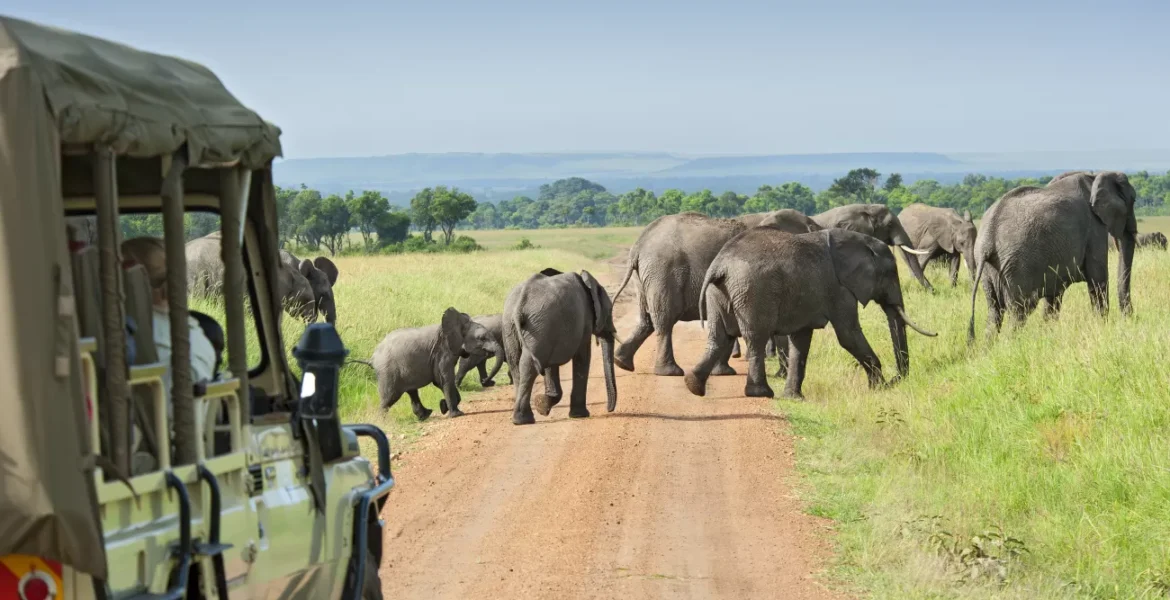
Wildlife safaris offer travelers the opportunity to witness nature in its rawest form. From observing majestic lions on the African savannah to spotting exotic birds in dense jungles, safari experiences combine adventure, education, and awe-inspiring encounters. Whether you are a seasoned traveler or looking for a family-friendly adventure, the right safari destination provides unforgettable memories.
This guide explores the best wildlife safari destinations around the world, what makes them unique, and tips for planning an ethical and safe safari experience.
Why Wildlife Safaris Are Unique
Unlike traditional tourism, safaris immerse travelers in natural habitats, offering direct interaction with wildlife in their ecosystems. Safari experiences often include:
-
Guided tours in national parks or reserves
-
Game drives and wildlife photography
-
Birdwatching and nature walks
-
Conservation-focused programs
-
Luxury lodges or tented camps in scenic locations
These experiences educate travelers about biodiversity while supporting conservation efforts.
Top Wildlife Safari Destinations
Maasai Mara, Kenya
The Maasai Mara is renowned for its abundant wildlife, including lions, elephants, cheetahs, and wildebeest. The annual Great Migration, when millions of wildebeest cross the plains, is one of the most spectacular natural events on Earth.
Serengeti National Park, Tanzania
Serengeti National Park is famous for vast savannahs, predator sightings, and large herbivore populations. Guided game drives here offer close-up encounters with elephants, giraffes, and zebras in a protected environment.
Kruger National Park, South Africa
Kruger is one of Africa’s most accessible and family-friendly safari destinations. Visitors can explore well-maintained roads, self-drive safaris, and guided tours to spot the Big Five: lion, leopard, elephant, buffalo, and rhino.
Chobe National Park, Botswana
Chobe National Park is known for its massive elephant herds and riverfront wildlife viewing. Boat safaris along the Chobe River provide a unique perspective on aquatic and terrestrial animals.
Ranthambore National Park, India
Ranthambore offers a chance to see Bengal tigers in their natural habitat, along with leopards, jackals, and a variety of bird species. Early morning jeep safaris are popular for wildlife spotting and photography.
Yellowstone National Park, USA
While most associated with scenic landscapes, Yellowstone also provides excellent wildlife safari experiences. Visitors can spot bison, wolves, bears, and elk in their natural habitats, making it a great complement to Family Road Trip Destinations With National Parks.
Comparison of Top Safari Destinations
| Safari Destination | Key Wildlife | Best For | Unique Feature |
|---|---|---|---|
| Maasai Mara, Kenya | Lions, wildebeest, cheetahs | Adventure seekers | Great Migration spectacle |
| Serengeti, Tanzania | Elephants, giraffes, zebras | Photographers | Endless savannah landscapes |
| Kruger, South Africa | Big Five | Families & self-drivers | Well-maintained safari roads |
| Chobe, Botswana | Elephants, hippos | River safari lovers | Boat-based safaris |
| Ranthambore, India | Bengal tigers | Wildlife enthusiasts | Tiger-focused excursions |
| Yellowstone, USA | Wolves, bison, bears | Nature lovers | Accessible North American safari |
Planning a Wildlife Safari Trip
Planning a successful safari requires careful preparation. Consider the following:
-
Choose the Right Season: Wildlife sightings can vary depending on the season. Dry seasons are often best for visibility.
-
Select a Suitable Safari Type: Options include guided tours, self-drive safaris, or boat safaris depending on destination and experience level.
-
Prioritize Ethical Practices: Choose responsible operators that support conservation and avoid disturbing wildlife.
-
Prepare Gear: Binoculars, cameras, appropriate clothing, and insect repellent are essential.
-
Health and Safety: Vaccinations, travel insurance, and local health advice are important when visiting remote areas.
Proper planning ensures a memorable and safe wildlife experience.
Benefits of Wildlife Safari Experiences
-
Education about animal behavior and ecosystems
-
Opportunities for photography and nature observation
-
Support for conservation through tourism
-
Adventure and bonding experiences for families or groups
-
Stress relief and connection with nature
Safaris combine excitement with meaningful engagement with the natural world.
Frequently Asked Questions (FAQs)
What is the best time for a wildlife safari?
The dry season is usually the best for wildlife visibility, but this varies by region.
Can children join safaris?
Yes, some parks like Kruger National Park and Yellowstone are family-friendly with guided programs suitable for children.
Are safaris expensive?
Costs vary widely depending on location, type of accommodation, and duration. Luxury safaris can be costly, while self-drive or national park options are more affordable.
Do I need a guide for safaris?
While self-drive safaris are possible in some parks, guided safaris often provide better wildlife spotting opportunities and safety insights.
Is wildlife photography allowed on safaris?
Yes, but always follow park rules and keep a safe distance from animals.
Final Thoughts
The best places for wildlife safari experiences offer unforgettable encounters with nature while promoting conservation and responsible tourism. From the African savannah to North American national parks and Indian jungles, each destination offers unique wildlife and landscapes suited to different travel styles.
Whether seeking adventure, photography opportunities, or family-friendly nature excursions, safaris provide experiences that leave a lasting impression and deepen appreciation for the natural world.