
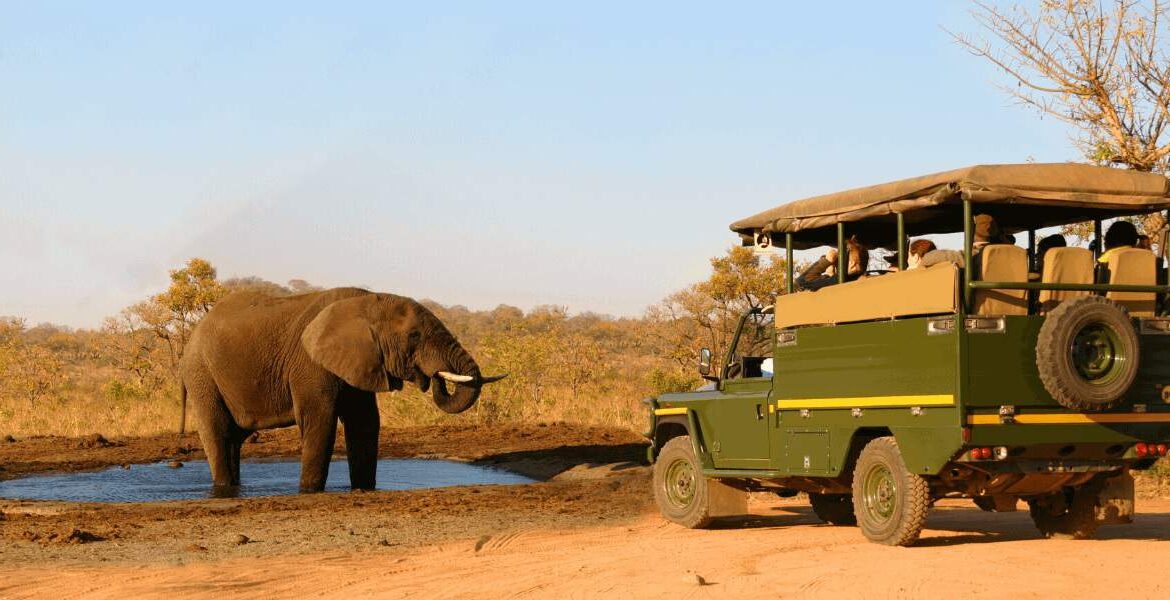
Africa is a wildlife photographer’s paradise, offering unparalleled opportunities to capture majestic animals in their natural habitats. From the iconic savannas of East Africa to the dense forests of Central Africa, the continent is home to some of the world’s most spectacular national parks. Whether you are an amateur photographer or a seasoned professional, visiting these parks allows you to photograph elephants, lions, giraffes, rhinos, and countless other species in breathtaking landscapes.
This guide explores the best national parks for wildlife photography in Africa, tips for capturing stunning images, and practical advice for planning your photographic safari.
Why Africa is Ideal for Wildlife Photography
Africa’s unique ecosystems, abundant wildlife, and diverse landscapes make it an exceptional destination for wildlife photography. Key advantages include:
-
Diverse Species: From the Big Five (lion, leopard, elephant, buffalo, rhino) to rare and endemic species.
-
Varied Landscapes: Savannas, deserts, wetlands, and forests provide dramatic backdrops.
-
Seasonal Migrations: Opportunities to capture iconic events like the Great Migration.
-
Professional Guidance: Experienced guides and trackers enhance photographic opportunities.
Combining these elements ensures rich and varied photo opportunities for all skill levels.
Top National Parks for Wildlife Photography
1. Maasai Mara National Reserve, Kenya
Famous for the Great Migration, Maasai Mara offers close encounters with lions, cheetahs, elephants, and wildebeest in open savannas, providing excellent lighting and composition opportunities.
2. Serengeti National Park, Tanzania
Home to the Big Five and vast grasslands, Serengeti is ideal for capturing dramatic action shots, predator-prey interactions, and stunning sunset landscapes.
3. Kruger National Park, South Africa
With well-maintained roads and high wildlife density, Kruger is perfect for photographers seeking accessibility alongside opportunities to photograph lions, leopards, and rhinos.
4. Etosha National Park, Namibia
Etosha’s salt pans create striking contrasts for wildlife photography. Waterholes attract animals, offering close-up shots of elephants, giraffes, and rare antelope species.
5. Chobe National Park, Botswana
Chobe is renowned for its large elephant herds and diverse birdlife, offering photographers dramatic scenes along riverbanks during sunrise or sunset.
Wildlife Photography Comparison Table
| Park | Location | Key Species | Best Time to Visit | Photography Highlights |
|---|---|---|---|---|
| Maasai Mara | Kenya | Lions, elephants, cheetahs | July–October | Great Migration, savanna landscapes |
| Serengeti | Tanzania | Big Five, wildebeest | June–October | Predator-prey interactions, sunsets |
| Kruger | South Africa | Lions, rhinos, leopards | May–September | High wildlife density, accessible drives |
| Etosha | Namibia | Elephants, giraffes, antelopes | May–October | Salt pans, waterhole shots |
| Chobe | Botswana | Elephants, hippos, birds | June–October | Riverbank photography, golden hour |
Tips for Wildlife Photography in Africa
-
Use the Right Gear
A telephoto lens (200–600mm) is essential for capturing distant wildlife safely. Tripods, monopods, and extra batteries are also important. -
Understand Animal Behavior
Knowing typical behaviors helps anticipate moments like hunting, grazing, or social interactions for better shots. -
Prioritize Lighting
Early mornings and late afternoons provide soft, golden light, ideal for wildlife photography. -
Stay Patient and Respectful
Wildlife photography requires patience. Maintain a safe distance to avoid disturbing animals. -
Plan Your Safari
Work with experienced guides, consider seasonal migrations, and plan your route to maximize photographic opportunities.
Additional Considerations
-
Permits and Park Rules: Check regulations on photography equipment, drone usage, and restricted areas.
-
Accommodations: Some parks offer luxury lodges or tented camps with easy access to prime photography locations.
-
Travel Health and Safety: Ensure vaccinations, travel insurance, and malaria precautions are in place.
Africa’s national parks offer experiences that rival even the most serene escapes, similar to how Wellness Retreats for Stress Relief in Bali provide immersive experiences for relaxation and rejuvenation, though here the focus is on adventure and wildlife.
Frequently Asked Questions
Which park is best for first-time wildlife photographers?
Kruger National Park is ideal due to its accessibility, abundant wildlife, and well-maintained infrastructure.
When is the best time to photograph wildlife in Africa?
Dry seasons (typically May–October) offer better visibility and more active wildlife around water sources.
Can I photograph the Big Five in a single safari?
Yes, parks like Serengeti and Maasai Mara provide high chances, but sightings cannot be guaranteed due to natural movement.
Do I need professional equipment?
While professional gear enhances results, beginners can start with mid-range cameras and telephoto lenses.
Are guided tours necessary for wildlife photography?
Guides improve safety, track animals efficiently, and help position for optimal lighting and composition.
Conclusion
Africa’s national parks provide unparalleled opportunities for wildlife photography, from the rolling savannas of Kenya to the dramatic landscapes of Namibia. By selecting the right park, understanding animal behavior, and using proper photographic techniques, photographers can capture breathtaking images of wildlife in natural habitats. Just as travelers plan immersive wellness experiences, such as Wellness Retreats for Stress Relief in Bali, careful preparation and thoughtful guidance ensure a fulfilling and successful wildlife photography safari in Africa.