
Experiencing a country through its festivals is one of the most memorable ways to understand its traditions, history, and community spirit. Cultural festivals offer travelers a unique blend of music, food, rituals, and storytelling that cannot be found in typical tourist attractions. Whether you are an art lover, a foodie, a history enthusiast, or simply curious about global cultures, the world is full of extraordinary celebrations worth planning a trip around. This guide explores some of the best cultural festivals around the world and provides useful tips to help you fully enjoy these unforgettable events.
Why Cultural Festivals Matter
Cultural festivals are more than just celebrations. They preserve heritage, strengthen community ties, and provide insights into a region’s identity. For travelers, festivals offer the rare chance to see a destination at its liveliest. They showcase traditional costumes, dances, local cuisine, and the authentic lifestyle of the people. Attending a festival can turn a regular trip into an immersive experience that stays with you long after you return home.
Top Cultural Festivals Around the World
Below is a curated list of renowned cultural festivals that attract millions of visitors each year. These festivals are recognized not only for their vibrant atmosphere but also for their historical and cultural significance.
1. Rio Carnival – Brazil
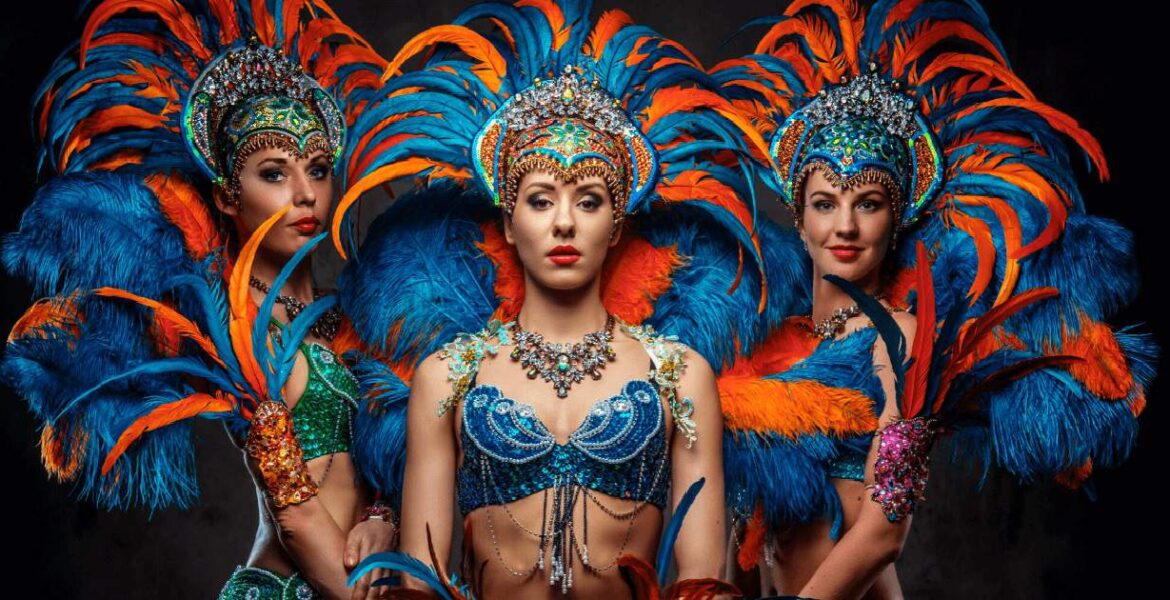
The Rio Carnival is one of the most famous cultural festivals globally. Held every year before Lent, it features extravagant parades, samba dancing, colorful costumes, and street parties that run day and night. The highlight is the Sambadrome parade, where samba schools compete with stunning choreography and themed floats. Visitors experience firsthand the energy and passion of Brazilian culture.
2. Diwali – India
Known as the Festival of Lights, Diwali symbolizes the victory of light over darkness and good over evil. During this five-day celebration, homes and streets glow with oil lamps, fireworks illuminate the sky, and families exchange sweets and gifts. For travelers, Diwali offers a chance to witness India at its most festive, with traditions and customs that vary from region to region.
3. Oktoberfest – Germany
Oktoberfest in Munich is one of the largest folk festivals in the world. Although famous for its beer tents, it is also a celebration of Bavarian culture, featuring traditional music, folk costumes, hearty cuisine, and lively parades. Visitors enjoy local delicacies such as pretzels, sausages, and roast chicken while listening to brass bands and joining locals in singing traditional songs.
4. Hanami (Cherry Blossom Festival) – Japan
Hanami takes place each spring when cherry blossoms bloom across Japan. Families and friends gather in parks to enjoy picnic lunches under the pink and white blossoms. The festival is not only visually stunning but also deeply symbolic, representing beauty and the impermanence of life. Popular viewing spots include Tokyo, Kyoto, and Osaka, where parks transform into vibrant cultural hubs.
5. La Tomatina – Spain
La Tomatina, held in the town of Buñol, is among the most unique cultural events in Europe. Participants throw ripe tomatoes at one another in a friendly food fight that lasts about an hour. Although it may seem purely playful, the festival has cultural roots dating back to the mid-20th century. It offers travelers a lighthearted way to experience Spanish humor and community spirit.
6. Day of the Dead – Mexico
The Day of the Dead, or Día de los Muertos, is a colorful festival that honors deceased loved ones. Families create altars decorated with marigolds, candles, photos, and favorite foods of the departed. Although centered on remembrance, the festival is joyful, filled with parades, music, and traditional face painting. It reflects Mexico’s unique view of life and death and attracts visitors eager to learn about its rich symbolism.
Comparison Table of Major Cultural Festivals
| Festival | Location | Best Time to Visit | Key Highlights |
|---|---|---|---|
| Rio Carnival | Brazil | February | Samba parades, street parties |
| Diwali | India | October/November | Lamps, fireworks, sweets |
| Oktoberfest | Germany | Late September–Early October | Beer tents, Bavarian music |
| Hanami | Japan | March–April | Cherry blossoms, picnics |
| La Tomatina | Spain | August | Tomato fight |
| Day of the Dead | Mexico | November 1–2 | Altars, parades, traditions |
Tips for Attending Cultural Festivals Abroad
Plan Ahead
Major festivals attract huge crowds, so booking flights and accommodation early is essential. Some events, like Oktoberfest, can book up months in advance. Planning ahead ensures you have the best experience possible.
Respect Local Customs
Each festival has its own set of traditions and rules. Understanding and respecting them helps you connect more deeply with the event and shows appreciation for the local culture.
Stay Safe
Crowds can be overwhelming, especially during street parades and large public gatherings. Keep personal belongings secure, stay hydrated, and remain aware of your surroundings.
Interact With Locals
Festivals provide an ideal environment to meet new people. Whether you join a group dance, share a meal, or participate in a ritual, engaging with locals enriches your travel experience. Many travelers use festivals as opportunities to learn How to Meet Locals While Traveling Solo, as these gatherings naturally encourage interaction.
Frequently Asked Questions (FAQs)
1. What is the best time of year to attend cultural festivals?
Cultural festivals take place year-round, but many of the world’s largest occur between February and November. The best time depends on the country and the event you want to experience.
2. Do I need to buy tickets for major festivals?
Some festivals are free, while others, such as the Rio Carnival Sambadrome parade or Oktoberfest tent reservations, require tickets. Always check official event websites before traveling.
3. Are cultural festivals suitable for families?
Yes. Many events, such as Hanami and Diwali, are family-friendly. Others, like La Tomatina, can be messy or crowded, so it is best to research whether the environment is suitable for children.
4. How can I prepare for a festival in another country?
Learn about the festival’s traditions, pack appropriate clothing, and understand local etiquette. It is also helpful to know basic phrases in the local language.
5. What should I pack for a cultural festival?
Comfortable clothing, good walking shoes, a secure bag, water, and a camera are essential. For specific festivals, you may need additional items, such as protective eyewear for La Tomatina.
Final Thoughts
Attending the best cultural festivals around the world allows travelers to immerse themselves in authentic traditions, vibrant celebrations, and unforgettable local experiences. Whether you choose to dance in Rio, witness the glow of Diwali, or enjoy cherry blossoms in Japan, each festival offers a unique window into the heart of a culture. With proper planning and an open mind, these celebrations can become some of the most meaningful and memorable parts of your travels.