
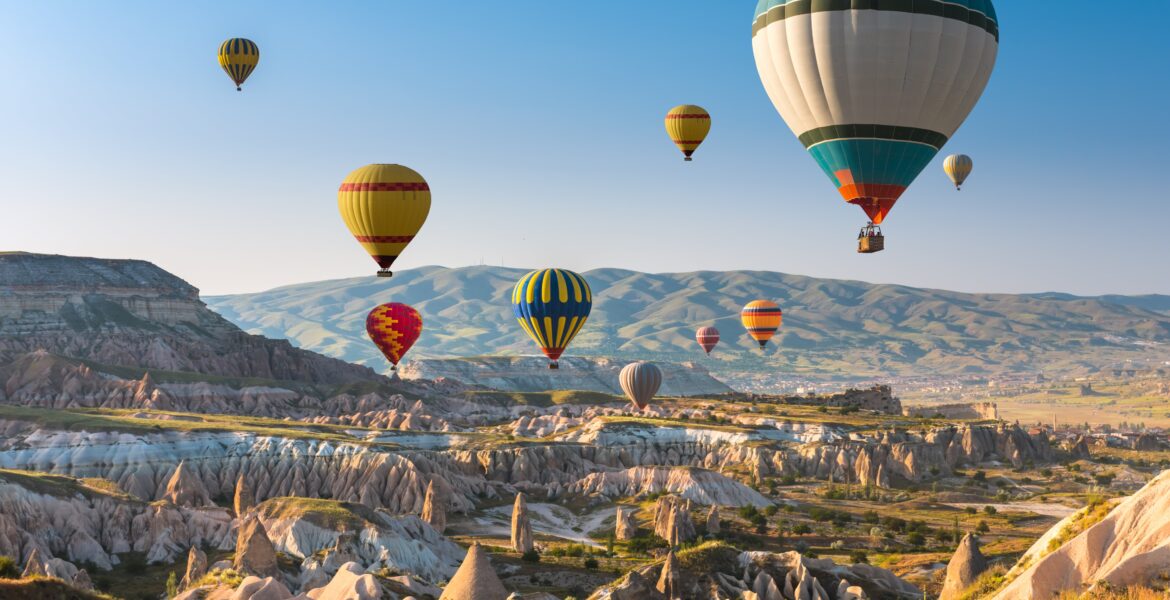
For thrill-seekers, adventure travel is more than just a hobby—it’s a lifestyle. Adventure sports combine physical challenge, mental resilience, and unforgettable experiences, offering travelers the chance to push their limits while exploring stunning destinations. From skydiving over breathtaking landscapes to white-water rafting through turbulent rivers, the world is full of adrenaline-pumping opportunities.
This guide explores the best adventure sports for travelers, safety tips, top destinations, and how to plan a trip that satisfies your thirst for excitement.
Why Adventure Sports Travel Is Popular
Adventure sports appeal to travelers seeking excitement beyond traditional sightseeing:
-
Thrill and adrenaline: High-energy activities create unforgettable memories.
-
Physical and mental challenge: Sports like rock climbing and paragliding test strength, focus, and endurance.
-
Immersive experiences: Adventure sports often take place in breathtaking natural environments.
-
Personal growth: Overcoming fears and pushing limits fosters confidence and resilience.
Adventure travel combines excitement with exploration, giving travelers a unique way to engage with the world.
Popular Adventure Sports for Travelers
1. Skydiving
Experience the ultimate rush by jumping from a plane:
-
Locations: Interlaken (Switzerland), Dubai, Queenstown (New Zealand)
-
Best for: Thrill-seekers seeking a bird’s-eye view of stunning landscapes
2. White-Water Rafting
Navigate fast-flowing rivers with friends or guided groups:
-
Locations: Colorado River (USA), Zambezi River (Zimbabwe/Zambia), Ganges (India)
-
Best for: Team-oriented travelers who enjoy water sports
3. Rock Climbing
Scale natural rock formations for strength and skill:
-
Locations: Yosemite (USA), Railay Beach (Thailand), Krabi (Thailand)
-
Best for: Adventurers looking to test endurance and mental focus
4. Paragliding
Soar above mountains, lakes, or beaches:
-
Locations: Pokhara (Nepal), Interlaken (Switzerland), Oludeniz (Turkey)
-
Best for: Travelers seeking a blend of thrill and serenity
5. Scuba Diving
Dive into underwater worlds full of marine life:
-
Locations: Great Barrier Reef (Australia), Belize Barrier Reef, Maldives
-
Best for: Adventure lovers who enjoy exploring unique ecosystems
Adventure Travel Safety Tips
Safety is crucial when participating in high-risk activities:
-
Choose Certified Operators: Verify licenses and instructor credentials.
-
Use Proper Gear: Always wear helmets, life jackets, harnesses, or protective equipment.
-
Know Your Limits: Start with beginner courses if you are new to the activity.
-
Check Weather Conditions: Avoid high-risk activities in unfavorable conditions.
-
Follow Instructions: Listen carefully to guides and instructors to minimize risk.
Following these precautions ensures a safe yet thrilling adventure experience.
Comparison Table: Adventure Sports for Travelers
| Sport | Risk Level | Physical Demand | Ideal Location |
|---|---|---|---|
| Skydiving | High | Low–Moderate | Open skies over scenic landscapes |
| White-Water Rafting | Moderate–High | High | Fast-flowing rivers |
| Rock Climbing | Moderate–High | High | Cliffs, mountains |
| Paragliding | Moderate | Low–Moderate | Hills, coasts, valleys |
| Scuba Diving | Moderate | Moderate | Oceans, coral reefs |
This table helps adrenaline seekers choose activities that match their experience level and energy.
Planning an Adventure Sports Trip
-
Choose Your Destination: Look for locations known for specific adventure activities.
-
Check Seasons: Many adventure sports are seasonal, such as rafting during rainy seasons or skiing in winter.
-
Book in Advance: Popular locations may require prior reservations for guided tours.
-
Combine Activities: For extended trips, mix multiple adventure sports in one destination.
-
Document Your Experience: Record your journey for memories and to inspire others.
Adventure sports travel requires preparation, but the rewards are unparalleled.
Adventure Travel and Cultural Exposure
While adventure sports focus on thrill, travelers can also immerse themselves in local culture. Just as Cultural Exchange Programs for Travelers allow participants to connect with people and traditions, combining adventure with cultural engagement enriches the travel experience. For example:
-
Learn local survival techniques from indigenous guides
-
Participate in community activities near adventure hubs
-
Taste traditional cuisine and explore local markets
Blending adventure with cultural exposure creates a holistic, unforgettable journey.
FAQs
Is adventure sports travel safe for beginners?
Yes, with certified operators, proper training, and beginner courses, even novices can safely enjoy adrenaline sports.
How much does an adventure sports trip cost?
Costs vary depending on activity, destination, and duration. Budget for equipment rentals, instructor fees, and travel expenses.
Can adventure sports be done solo?
Many activities, like rock climbing or rafting, are safer with guides or groups, though solo experiences are possible with proper precautions.
Are there age restrictions for adventure sports?
Yes, most activities have minimum and maximum age limits depending on physical requirements and safety.
How do I choose the right activity for me?
Consider your fitness level, risk tolerance, and personal interests. Start with low-risk activities and progress as your confidence grows.
Conclusion
Adventure sports travel offers adrenaline seekers an unparalleled way to explore the world while pushing physical and mental limits. From skydiving and rafting to climbing and diving, these experiences provide excitement, personal growth, and lasting memories.
By combining adventure with cultural awareness, similar to the benefits offered by Cultural Exchange Programs for Travelers, participants can gain a deeper understanding of local communities, traditions, and environments. Adventure sports travel is not just about thrills—it’s about embracing life fully, connecting with the world, and returning home with stories worth sharing.