
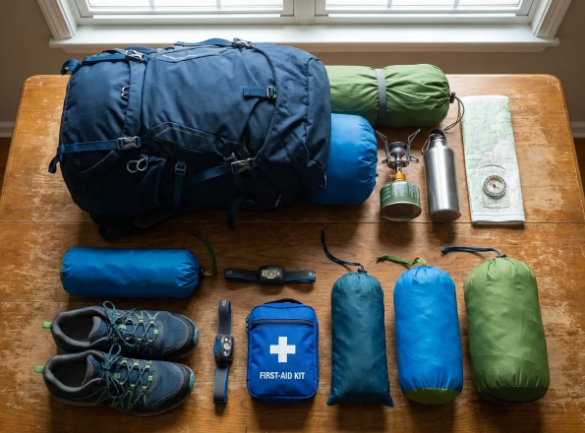
Backpacking merges the intense cardiovascular challenge of hiking with the complete self-reliance of backcountry camping in remote areas. You must carry everything required for daily survival on your back while traversing remote, unforgiving wilderness areas for several days. For those exploring backpacking for beginners, this demanding outdoor pursuit requires careful route planning, solid physical stamina, and highly specific lightweight survival equipment to ensure safety.
Millions of Americans hit the trails each year to escape congested urban environments and reconnect with nature in the wild. The Outdoor Industry Association reports a steady, significant increase in overnight backcountry camping and backpacking participation across the United States. Success on the trail depends heavily on understanding fundamental wilderness skills and selecting the proper outdoor gear and equipment.
Whether you plan a weekend trip or a month-long expedition, solid preparation prevents dangerous emergency situations on the trail. We will explore the core concepts of wilderness travel, equipment selection, and proper backcountry safety protocols for all hikers. Proper knowledge transforms a grueling physical test into a deeply rewarding and highly memorable wilderness experience for every adventurer.
Selecting the Best Backpacking Trails and Routes
Careful preparation forms the absolute foundation of any highly successful and physically safe backcountry overnight trip in the wild. You must thoroughly research current trail conditions, upcoming weather forecasts, and local permit requirements well before your actual departure date. Many incredibly popular destinations like Yosemite National Park require visiting hikers to legally secure backcountry permits several months in advance.
Start by selecting a route that directly matches your current physical fitness level and baseline wayfinding skills for safety. Beginners should actively look for well-marked trails with moderate elevation gain and highly reliable natural water sources for hydration. Websites like AllTrails provide excellent topological maps and detailed recent trip reports to help you find the best backpacking trails for your skill level.
Start with a single overnight trip close to home before attempting multi-day expeditions. This allows you to test your gear in a controlled environment where bail-out options remain easily accessible.
Physical Conditioning and Wilderness Survival Skills
Physical conditioning plays a massive role in injury prevention and overall enjoyment during your challenging trail experience in nature. Carrying a thirty-pound pack up steep mountain inclines stresses your joints and muscles entirely differently than regular daily walking. You should begin training with a fully loaded backpack several weeks before your officially planned wilderness survival skills expedition.
Weather patterns in mountainous regions change rapidly and often without much advance warning for unaware hikers on the trail. An unexpected afternoon thunderstorm can drop temperatures significantly and quickly create highly dangerous flash flood conditions for campers. You should always monitor local meteorological reports and pack appropriate rain gear regardless of the sunny morning forecast.
Essential Backpacking Gear List and Selection
The Big Three Systems for Ultralight Backpacking Gear
Your specific equipment choices directly dictate your overall physical comfort and medical safety during overnight wilderness trips in various climates. Experienced hikers focus heavily on the “Big Three” systems for ultralight backpacking gear: the large backpack, the shelter, and the sleep system for comfort. These three major components usually account for the vast majority of your total base pack weight during long-distance treks.
A proper sleep system includes a high-quality sleeping bag and an insulated inflatable sleeping pad for maximum thermal protection. The pad provides critical insulation from the cold ground, which prevents highly dangerous body heat loss overnight in the backcountry. You should strictly select a sleeping bag rated for temperatures at least ten degrees colder than your expected overnight conditions.
- Prioritize lightweight options for your backpack, tent, and sleep system to reduce overall body fatigue.
- Implement a reliable clothing layering system that completely avoids moisture-retaining cotton materials.
- Train with a loaded backpack before your trip to prepare your muscles for the specific physical strain.
Clothing and Hiking Gear Strategies for Trails
Developing a comprehensive backpacking gear list involves strategic layering rather than heavy, bulky, and heavily restrictive individual garments for the trail. Base layers manage sweat moisture, mid-layers provide core insulation, and outer shells block harsh wind and rain effectively. Avoid cotton fabrics entirely, as they permanently retain moisture and lose all their insulating properties when wet in the wild.
Footwear selection often sparks intense debate among highly experienced hikers and outdoor industry professionals alike on the trail. Many traditionalists prefer heavy leather boots for maximum ankle support while carrying exceptionally heavy pack loads through rough terrain. Conversely, modern ultralight hikers frequently choose lightweight trail running shoes to significantly reduce leg and foot fatigue during treks.
Trekking poles provide substantial physical benefits for your knees during long, steep downhill trail descents in the mountains. They effectively transfer some of the severe impact force from your lower body directly to your arms and shoulders. Using poles also greatly improves your physical balance when crossing fast streams or traversing slick, muddy hiking trails.
Backcountry Nutrition and Hydration Strategies
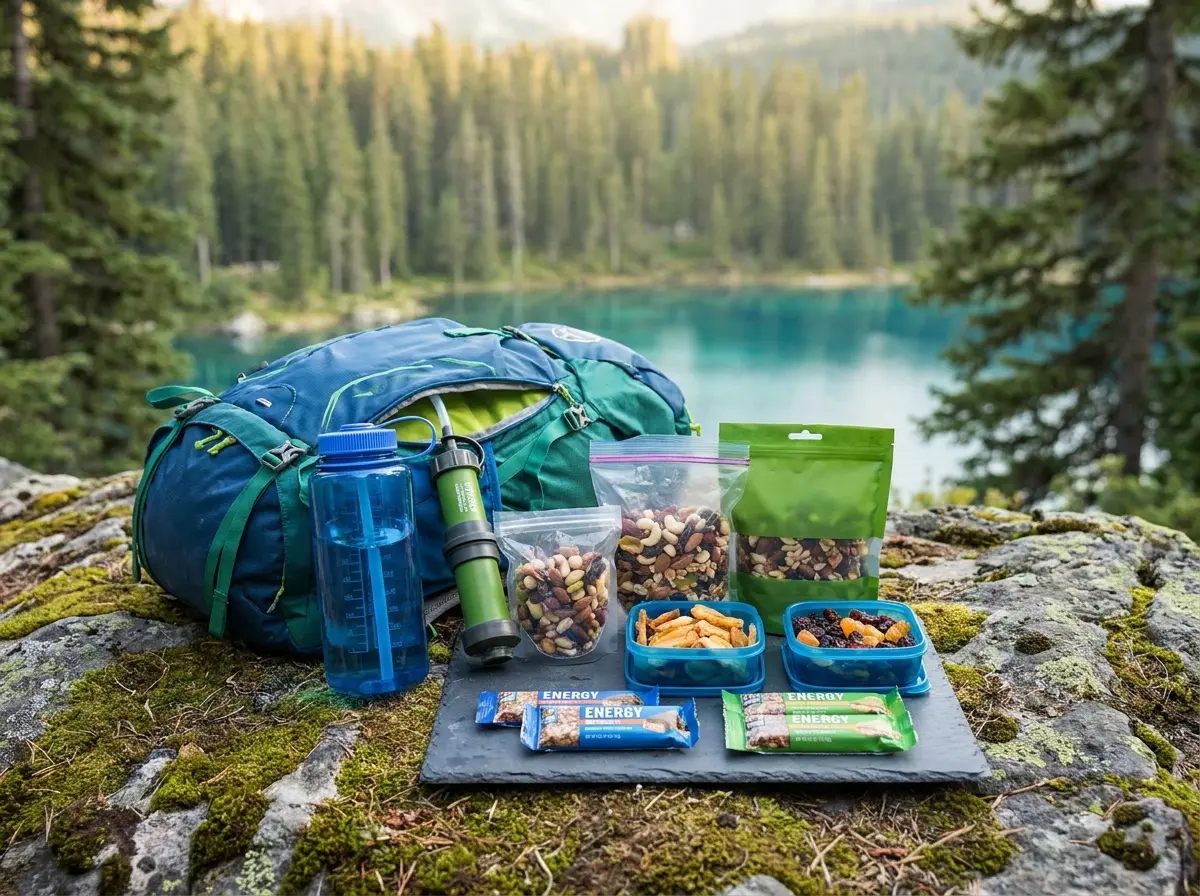
Caloric Needs and Backcountry Cooking
Backpacking burns a massive number of daily calories due to the continuous physical exertion under heavy equipment loads. You might burn between 3,000 and 5,000 calories per day depending on your specific elevation gain and terrain difficulty. Packing calorie-dense foods like macadamia nuts, hard cheese, and freeze-dried meals keeps your daily energy levels perfectly stable.
Selecting a backcountry cooking system depends heavily on your specific daily meal plan and total group size for efficiency. Canister stoves like the popular MSR PocketRocket offer incredible convenience and boil cold water in mere minutes for meals. These compact, lightweight stoves screw directly onto pressurized isobutane fuel canisters for immediate and highly reliable heat in camp.
Water Filtration and Wilderness Survival Skills
Water management stands out as the single most critical wilderness survival skill for any serious backcountry traveler in the wilderness. You must positively identify reliable water sources along your planned route and carry a dependable mechanical filtration system. Drinking untreated wilderness water exposes your vulnerable digestive system to harmful microscopic pathogens like Giardia and Cryptosporidium on the trail.
Never assume a clear mountain stream contains safe drinking water. Even the most pristine-looking alpine lakes can harbor dangerous bacteria from local wildlife runoff.
Most hikers carry lightweight hollow-core water filters or chemical purification tablets to safely treat their gathered water in nature. You should plan to actively consume at least three to four liters of clean water per active hiking day. Always carry enough fluid storage capacity to safely make it through long dry trail stretches between established water sources.
How to Pack Your Backpack for Balance and Efficiency
Loading your backpack correctly greatly improves your center of gravity and drastically reduces upper shoulder strain during long treks. A poorly packed bag pulls your body backward and creates dangerous physical instability on highly uneven mountain terrain. Strategic weight distribution makes a forty-pound load feel significantly lighter and much more manageable during long hikes in the wild.
Organizing your gear systematically prevents immense frustration when you need to quickly access specific items during a sudden rainstorm. You want to group similar items together using lightweight, waterproof stuff sacks or color-coded nylon packing cubes for organization. This clever organizational strategy keeps your camp setup process incredibly efficient after a long, exhausting day of hiking in nature.
How to Pack for Optimal Balance
Pack the Bottom Zone
Place your sleeping bag and overnight clothes at the very bottom of the pack. These lightweight, bulky items create a stable base and are completely unnecessary until you reach your designated campsite.
Load the Heavy Core
Position your heaviest items, like dense food bags, water reservoirs, and metal cooking gear, close to your spine. Keeping dense weight centered against your back strongly maintains your balance and prevents the pack from pulling you backward.
Fill the Top and Pockets
Store frequently needed items like high-calorie snacks, protective rain gear, and water filters in the top lid or exterior pockets. You need immediate physical access to these essential items without digging through the entire main compartment of your bag.
Wilderness Ethics and Trail Safety Protocols
Leave No Trace Principles for Backcountry Camping
Protecting highly delicate natural spaces requires strict adherence to established wilderness ethics during your backcountry camping and outdoor backpacking trip. The Leave No Trace Center for Outdoor Ethics provides essential guidelines for minimizing human impact on native habitats. These core principles dictate exactly how we camp, dispose of waste, and interact respectfully with local wildlife in the wild.
Proper human waste disposal securely prevents the dangerous contamination of local water sources and the rapid spread of disease in nature. You must strictly bury solid human waste in a small cathole dug roughly six to eight inches deep for safety. This specific hole must sit at least two hundred feet away from any water sources, trails, and established campsites.
- Pack out all your trash and bury solid human waste in properly distanced catholes.
- Store all food securely in bear-resistant containers to protect both yourself and the local wildlife.
- Carry a dedicated satellite communication device to contact emergency services from remote trail locations.
First Aid and Emergency Communications
Wildlife encounters require highly specific safety protocols to protect both the wild animals and the visiting human hikers on the trail. You must securely store all your food and scented items in approved bear-resistant containers or hang them properly in camp. Never approach or attempt to feed wild animals, as this habituates them to human presence and creates extreme danger for everyone.
A comprehensive medical first aid kit absolutely belongs in every single backpack regardless of the planned trip length for safety. You must customize your medical supplies to quickly address severe foot blisters, deep cuts, ankle sprains, and allergic reactions in the wild. Include high-quality athletic tape, sterile gauze pads, ibuprofen, and any necessary personal prescription medications for your specific hiking group.
Emergency communication devices provide an incredibly essential safety net when you travel far outside traditional cellular network coverage in the mountains. These satellite messengers allow you to quickly contact professional search and rescue teams during severe outdoor medical emergencies on the trail. The National Park Service strongly recommends carrying these specific tracking devices on all remote backcountry trips.
Conclusion
Backpacking offers an incredibly rare opportunity to disconnect from modern digital distractions and experience raw, unfiltered nature in the wild. The initial learning curve admittedly demands significant technical research, dedicated physical preparation, and financial investment in proper gear for success. However, the immense emotional reward of sleeping peacefully under the stars far outweighs the preliminary physical effort required for the trek.
Start your new outdoor hobby with short, overnight trips to thoroughly test your equipment and build trail confidence in the wilderness. You can gradually increase your daily mileage and overall trip duration as your practical wilderness skills rapidly improve over time. We strongly recommend checking out [our guide to local state parks] for excellent, well-maintained beginner hiking routes.
Do you feel completely ready to pack your bag and hit the mountain trail this upcoming season for an adventure? Proper advance planning and deep respect for the wilderness will guarantee a highly safe and truly memorable outdoor experience for you. Gather your lightweight hiking gear, map your specific route, and prepare your body for an incredible backcountry adventure in the wild.