
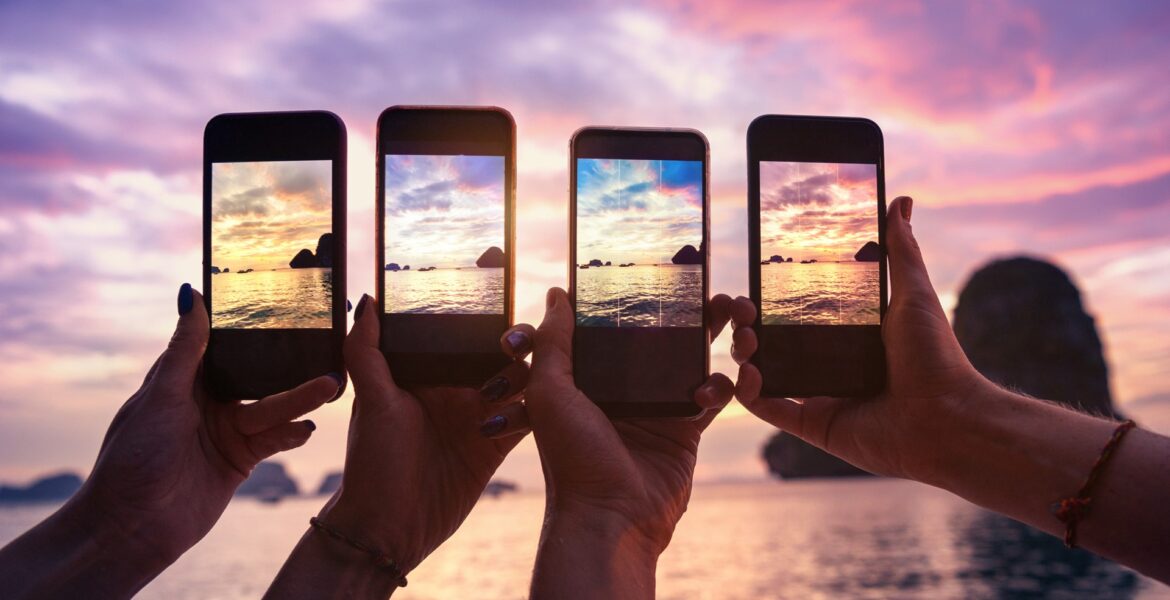
Travel photography is one of the best ways to capture memories, and the good news is—you don’t need an expensive camera to get stunning shots. Modern smartphones are equipped with powerful cameras that can produce high-quality images if used correctly. With a few simple techniques and a creative mindset, beginners can take impressive travel photos anywhere in the world.
Why Use a Smartphone for Travel Photography?
Smartphones are lightweight, easy to carry, and always within reach. They allow you to capture spontaneous moments without the hassle of bulky equipment. Plus, built-in editing tools and apps make it easy to enhance your photos instantly.
Essential Tips for Better Travel Photos
1. Understand Your Camera Features
Before you start shooting, explore your phone’s camera settings. Learn how to adjust exposure, focus, HDR mode, and grid lines. These small adjustments can significantly improve your images.
2. Use Natural Light
Lighting plays a crucial role in photography. The best time to shoot is during the “golden hour”—shortly after sunrise or before sunset.
Avoid:
- Harsh midday sunlight
- Strong shadows on faces
Soft natural light enhances colors and creates a more appealing look.
3. Follow the Rule of Thirds
Turn on the grid feature on your smartphone and position your subject along the lines or intersections. This technique helps create balanced and visually pleasing compositions.
4. Keep Your Lens Clean
It sounds simple, but a dirty lens can ruin your photos. Wipe your camera lens with a soft cloth before taking pictures to ensure clarity.
5. Focus on Composition
Think about what you want to highlight in your photo. Use elements like leading lines, symmetry, and framing to make your shots more engaging.
6. Avoid Using Zoom
Digital zoom reduces image quality. Instead, move closer to your subject or crop the photo later during editing.
7. Capture Candid Moments
Some of the best travel photos are unplanned. Capture people interacting, street scenes, and natural expressions to tell a story.
8. Experiment with Angles
Don’t just shoot from eye level. Try different perspectives:
- Low angles for dramatic shots
- High angles for wider views
- Side angles for depth
Changing your viewpoint can make your photos more dynamic.
9. Use Editing Apps
Post-processing can enhance your images. Adjust brightness, contrast, saturation, and sharpness using simple editing apps.
Tip: Avoid over-editing—keep your photos natural.
10. Use HDR Mode Wisely
HDR (High Dynamic Range) helps balance light and dark areas in your photo. It’s especially useful for landscapes and scenes with strong contrasts.
Must-Have Smartphone Photography Accessories
| Accessory | Purpose |
|---|---|
| Tripod | Stabilizes shots, reduces blur |
| Clip-on Lenses | Expands camera capabilities |
| Power Bank | Keeps your phone charged |
| Cleaning Cloth | Maintains lens clarity |
Tips for Different Travel Scenarios
Landscapes
- Use wide angles
- Include foreground elements for depth
Portraits
- Focus on the eyes
- Use natural light for soft skin tones
Street Photography
- Be patient and observant
- Capture real-life moments
Food Photography
- Shoot from above or at a 45-degree angle
- Use natural light for better color
Common Mistakes to Avoid
- Taking photos without checking lighting
- Overusing filters
- Ignoring composition
- Not backing up your photos
Avoiding these mistakes will instantly improve your results.
Building Your Photography Style
As you practice, you’ll develop your own style. Experiment with colors, subjects, and editing techniques. Inspiration can come from anywhere—even while exploring destinations often featured in travel content like Best Wellness and Spa Retreats Around the World for Relaxation, where scenic environments offer perfect photo opportunities.
Frequently Asked Questions (FAQs)
1. Can smartphone cameras really replace professional cameras?
For beginners and casual travel photography, smartphones are more than capable of producing excellent results.
2. What is the best time to take travel photos?
Early morning and late afternoon provide the best natural lighting conditions.
3. How can I make my photos look professional?
Focus on composition, lighting, and minimal editing for a clean, polished look.
4. Do I need editing apps?
They’re not mandatory, but they can significantly improve your photos with simple adjustments.
5. How do I avoid blurry photos?
Keep your hands steady, use a tripod if needed, and ensure proper focus before shooting.
Conclusion
Travel photography with a smartphone is accessible, fun, and highly rewarding. By understanding basic techniques like lighting, composition, and editing, even beginners can capture stunning images.