
Commercial air travel has shifted drastically over the last decade as airlines aggressively modify their baggage policies and increase checked bag fees. Purchasing the best carry on luggage immediately solves many of the most frustrating modern travel headaches. By keeping your belongings in the cabin, you save money, bypass the chaotic baggage carousel, and completely eliminate the risk of lost bags. The right carry on suitcase gives you the ultimate freedom to move efficiently through crowded terminals and reach your final destination faster.
Have you ever calculated the true cost of checking a bag on every flight you take? The United States Department of Transportation reports that commercial airlines misplace millions of checked bags every single year. By keeping your personal belongings with you in the cabin, you bypass this massive risk completely.
Major domestic airlines currently charge between thirty and forty dollars for a single checked bag each way. If you take three round-trip flights a year, checking a bag costs roughly two hundred and forty dollars. Investing that money directly into high-quality travel bags or a durable carry on suitcase pays for itself almost immediately.
Time represents another critical factor in the overall travel equation for busy professionals and vacationers alike. Walking straight past the baggage claim area saves an average of thirty to forty-five minutes per trip. That extra time allows you to beat the rush for taxis, catch an earlier train, or simply start your vacation sooner.
- Traveling with cabin baggage eliminates the risk of lost luggage completely.
- Avoiding checked bag fees saves hundreds of dollars annually for frequent flyers.
- Skipping the baggage carousel reclaims roughly thirty minutes of valuable vacation time.
Airline Size Restrictions: Decoding Carry On Luggage Dimensions
Every commercial airline sets specific dimensional limits for overhead bin baggage on their aircraft fleet. The standard domestic size limit in the United States currently stands at 22 by 14 by 9 inches. This critical measurement must incorporate the wheels, handles, and any expanding pockets of your carry on luggage.
International carriers frequently enforce much stricter size and weight rules than domestic airlines do. European budget airlines routinely limit cabin bags to 21 inches in length and actively measure them at the gate. You must verify the exact dimensions allowed by your specific carrier via the International Air Transport Association before arriving at the airport terminal.
Many travelers mistakenly believe that standard sizes apply universally across all global airlines. This incorrect assumption frequently leads to unexpected gate-checking fees right at the boarding door. Purchasing a slightly smaller carry on suitcase that fits the strictest global requirements prevents these expensive airport surprises.
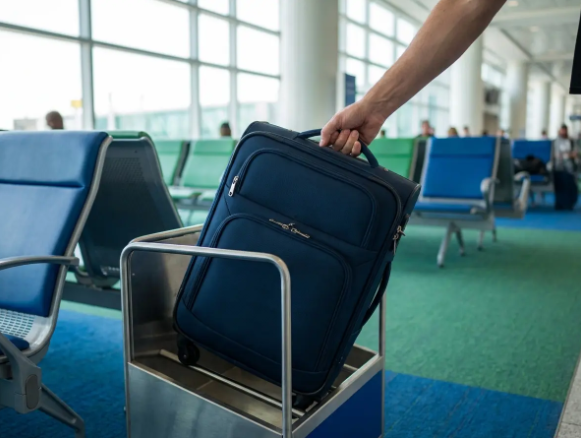
Low-cost carriers frequently use strict metal sizers at the boarding gate to measure bag dimensions. If your suitcase cannot slide into this frame without force, the airline will charge you a hefty penalty fee.
Lightweight Carry On Suitcases: The Impact of Weight Limits on Cabin Bags
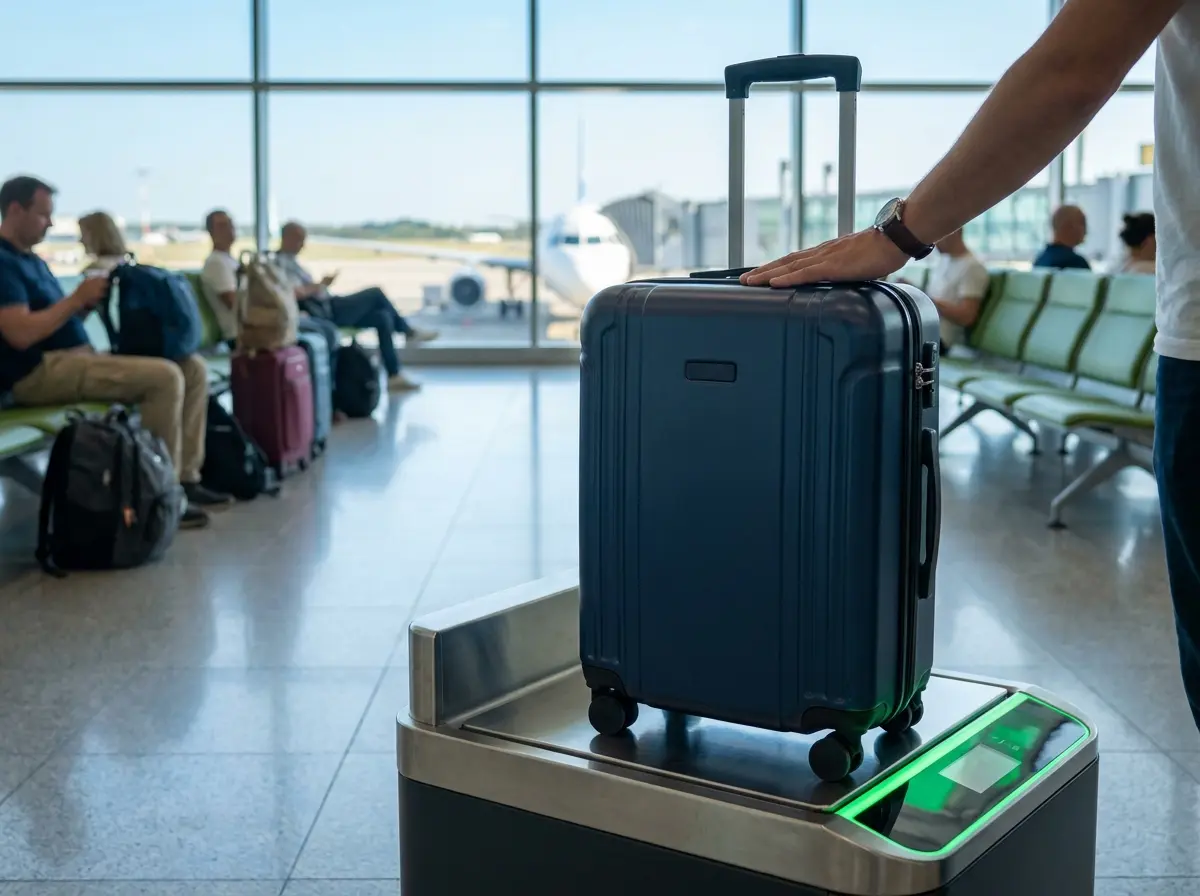
While domestic airlines rarely weigh overhead luggage, international carriers monitor cabin baggage weight with strict vigilance. Many Asian and European airlines restrict your total cabin allowance to just seven kilograms, or roughly fifteen pounds. This strict limitation includes both your primary overhead suitcase and your smaller personal item combined.
The empty weight of your suitcase plays a massive role in meeting these strict international requirements. A heavy canvas bag might weigh eight pounds empty, consuming more than half of your total weight allowance. Lightweight carry on polycarbonate cases often weigh under six pounds, giving you precious extra capacity for your actual belongings.
If an airline agent determines your bag exceeds the maximum weight, they will force you to check it. You then face the exact checked baggage fees and lost luggage risks you originally tried to avoid. Weighing your fully packed bag at home with a digital luggage scale prevents this specific travel disaster.
Hardside vs Softside: Durable Materials for Carry On Luggage
Luggage manufacturers construct bags using two primary exterior styles that dominate the current consumer market. Hardside luggage cases represent the majority of modern sales, while softside luggage fabric bags retain a highly loyal following. Each material offers distinct advantages depending heavily on your specific travel habits and destination types.
Polycarbonate stands out as the absolute premium material for manufacturing hardside luggage suitcases. This lightweight plastic flexes inward under heavy pressure rather than cracking upon hard impact. Cheaper hard-shell cases use ABS plastic, which weighs significantly more and breaks much easier during rough baggage handling.
Why do so many frequent flyers swear by simple fabric bags instead of modern plastics? Softside luggage typically uses high-denier ballistic nylon that stretches easily to accommodate extra vacation souvenirs. Fabric cases also feature convenient exterior pockets, giving you instant access to boarding passes and reading materials.
If you prefer soft-sided luggage, treat the exterior fabric with a specialized waterproofing spray before your first trip. This simple protective coating repels rain and prevents permanent stains from accidental coffee spills.
Spinner Wheels vs Rollaboards: Wheel Configurations and Choices
The debate between two-wheeled rollaboards and four-wheeled spinner wheels remains highly contested among frequent corporate flyers. Spinner luggage currently makes up the vast majority of new suitcase sales across the globe. These bags stand completely upright and glide effortlessly alongside you down narrow airplane aisles.
Spinners do have several structural disadvantages that you must consider before making a purchase. The four protruding wheels take up valuable packing space within the strict airline size limits. They also struggle significantly on rough surfaces like cobblestone streets, dirt roads, and thick hotel carpets.
Two-wheeled bags feature wheels recessed directly into the rigid frame of the suitcase itself. This protected design shields the wheels from damage and maximizes the interior packing volume of the carry on luggage. If you frequently walk long distances over uneven city streets, two-wheeled bags perform substantially better than spinners.
Packing Tips: How to Pack Your Carry On Luggage Efficiently
Proper packing techniques drastically expand the usable capacity of any small cabin bag. Mastering these methods allows you to pack for multiple weeks in a single piece of luggage. Read our comprehensive guide to travel accessories for more strategies to maximize your packing efficiency.
How to Pack Your Suitcase Like a Pro
1. Roll Your Clothing
Instead of folding your shirts and pants, utilize the tight rolling method for your garments. Rolling prevents deep wrinkles and condenses your clothing into much smaller physical spaces.
2. Utilize Packing Cubes
Divide your items into fabric packing cubes based on clothing category or specific daily outfits. This organization prevents your belongings from shifting during transit and makes hotel unpacking completely effortless.
3. Distribute Weight Properly
Place heavy items like running shoes and toiletry bags near the wheelbase of the suitcase. A bottom-heavy bag remains highly stable and will never tip over when left standing alone.
Packing light requires a fundamental shift in how you approach your daily travel wardrobe. You must select versatile clothing layers that mix and match easily rather than packing entirely separate outfits. Wearing your heaviest items on the plane also frees up massive amounts of interior suitcase space.
Liquid toiletries present another major hurdle when traveling exclusively with cabin baggage. You must restrict all liquids, gels, and aerosols to comply with federal security regulations. Consolidating these small bottles into a single clear quart-sized bag keeps you compliant and speeds up the security screening process.
Smart Features: Smart Carry On Luggage Features Worth Your Money
Manufacturers build modern suitcases with numerous features that improve the overall travel experience. Internal compression systems have completely revolutionized how much clothing you can fit into small physical spaces. These sturdy internal panels strap down tightly, pushing the excess air out of bulky items like heavy sweaters.
TSA approved combination locks provide essential security while remaining accessible to official airport inspectors. If a security agent needs to inspect your bag, they use a master key rather than cutting your physical lock. This simple feature protects your valuable electronics while fully complying with federal screening mandates.
Do you really need a portable charger built directly into your suitcase? While integrated batteries seem convenient, the Federal Aviation Administration strictly regulates lithium-ion power banks in cargo holds. If you must gate-check a smart bag, you must remove the battery first, which often creates unnecessary boarding stress.
- Polycarbonate hard-shells offer the best ratio of low weight to high durability.
- Two-wheeled suitcases maximize internal packing space and handle rough terrain better than spinners.
- Internal compression systems significantly increase the amount of clothing you can fit inside.
Conclusion: Choosing the Best Carry On Luggage for Your Needs
Selecting the perfect carry on luggage requires carefully balancing physical dimensions, empty weight, and long-term durability. You must honestly evaluate your personal travel habits and the specific requirements of your preferred commercial airlines. A bag that works perfectly for domestic business trips might fail miserably during a rugged European vacation.
Investing in high-quality materials saves you considerable amounts of money over a lifetime of travel. Cheaper discount bags often suffer from broken zippers or shattered wheels after just a handful of flights. A premium suitcase withstands the brutal rigors of travel and provides highly reliable service for decades.
By traveling light, you take complete physical control of your journey from departure to final arrival. You bypass the absolute worst bottlenecks of modern air travel and move with total geographic freedom. The right travel gear transforms stressful airport transit into a highly efficient and seamless experience.