
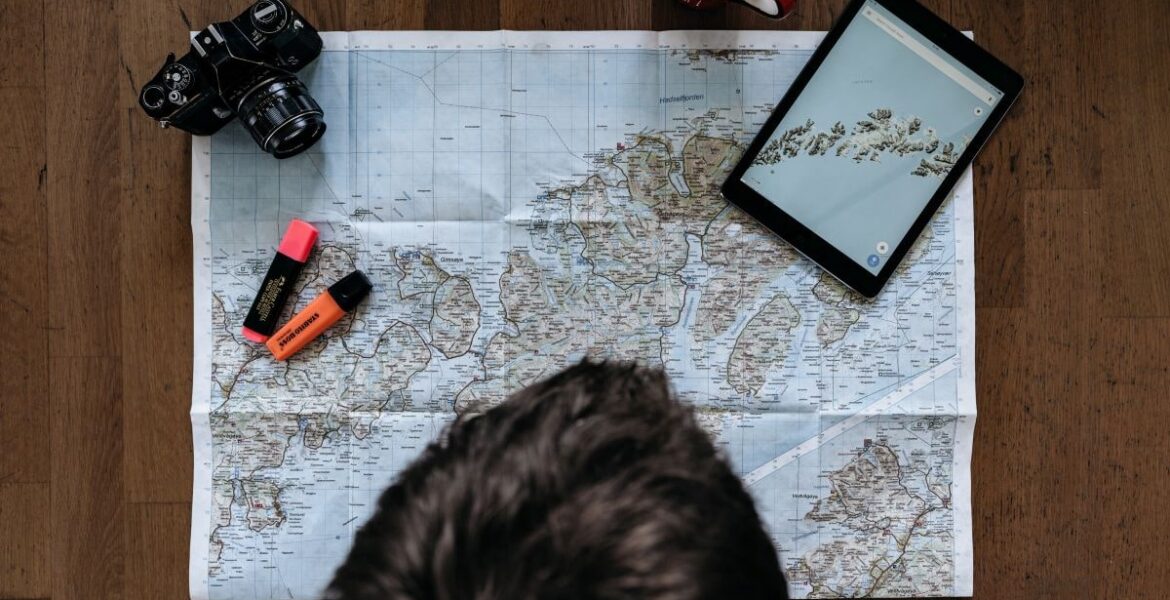
Planning your first trip can feel overwhelming, but creating a well-structured travel itinerary makes everything easier and more enjoyable. A good itinerary helps you stay organized, manage your time effectively, and ensure you don’t miss out on important experiences.
In this guide, you’ll learn step-by-step how to create a perfect travel itinerary for beginners, making your journey smooth, stress-free, and memorable.
1. Decide Your Destination and Travel Goals
Start by choosing your destination and defining the purpose of your trip. Ask yourself:
- Do you want relaxation, adventure, or cultural exploration?
- How many days do you have?
- What is your budget?
Clear goals will help you plan activities and allocate time efficiently.
2. Set a Realistic Budget
Budgeting is essential when planning any trip. Consider:
- Transportation (flights, trains, car rentals)
- Accommodation
- Food and dining
- Activities and attractions
- Emergency funds
Having a budget ensures you don’t overspend and helps prioritize experiences.
3. Research Your Destination
Learn as much as possible about your destination before traveling:
- Popular attractions and landmarks
- Local customs and culture
- Weather conditions
- Transportation options
This research helps you avoid surprises and make informed decisions.
4. List Must-Visit Places and Activities
Make a list of attractions and experiences you don’t want to miss. Divide them into:
- Must-see: Top priorities
- Optional: If time allows
- Hidden gems: Lesser-known spots
This helps you stay flexible while ensuring you cover key highlights.
5. Organize Your Itinerary Day-by-Day
Break your trip into daily plans to manage time effectively. Avoid overloading your schedule—leave room for rest and unexpected discoveries.
- Assign 2–3 main activities per day
- Group nearby attractions together
- Allow free time for exploration
A balanced itinerary prevents exhaustion and keeps your trip enjoyable.
6. Book Accommodation and Transport Early
Once your plan is ready, secure your bookings:
- Choose accommodations near key attractions
- Book transport in advance for better deals
- Confirm check-in/check-out times
Early bookings save money and reduce last-minute stress.
7. Plan Transportation Within the Destination
Understanding local transportation is crucial:
- Public transport (buses, trains, metro)
- Ride-sharing services
- Walking routes
Efficient transport planning saves time and energy during your trip.
8. Keep Important Documents Organized
Prepare all necessary travel documents in advance:
- ID or passport
- Tickets and reservations
- Travel insurance
- Emergency contacts
Keep both digital and physical copies for safety.
9. Stay Flexible
While planning is important, flexibility is key to enjoying your trip.
- Be open to spontaneous activities
- Adjust plans based on weather or mood
- Don’t stress over minor changes
Some of the best travel experiences happen unexpectedly.
10. Prioritize Safety and Comfort
Your itinerary should include safety considerations:
- Share your plans with someone you trust
- Avoid traveling alone at unsafe hours
- Take regular breaks during busy days
If your itinerary includes long drives, reviewing Road Trip Travel Tips for Long Distance Driving Safely can help you plan safer and more comfortable journeys.
Table: Travel Itinerary Planning Checklist
| Step | Action | Purpose |
|---|---|---|
| Choose Destination | Define travel goals | Guides planning |
| Set Budget | Estimate costs | Avoid overspending |
| Research | Learn about destination | Prevent surprises |
| List Attractions | Prioritize activities | Stay organized |
| Daily Plan | Schedule activities | Manage time |
| Book Early | Secure flights/hotels | Save money |
| Transport Plan | Plan local travel | Save time |
| Organize Documents | Prepare essentials | Ensure safety |
| Stay Flexible | Allow changes | Reduce stress |
| Focus on Safety | Plan precautions | Travel securely |
Frequently Asked Questions (FAQs)
Q1: How many days should I plan for each destination?
A: It depends on the destination, but 2–3 days per city is a good starting point for beginners.
Q2: Should I plan every hour of my trip?
A: No. Leave some free time to relax and explore spontaneously.
Q3: What tools can help create a travel itinerary?
A: Apps like Google Maps, TripIt, and travel planners can help organize your schedule.
Q4: Is it better to book everything in advance?
A: Major bookings like flights and hotels should be done early, but leave some activities flexible.
Q5: How do I avoid overpacking my itinerary?
A: Limit daily activities and include rest time to avoid burnout.
Final Thoughts
Creating a perfect travel itinerary doesn’t have to be complicated. By setting clear goals, researching your destination, organizing your schedule, and staying flexible, you can plan a trip that is both enjoyable and stress-free.
A well-thought-out itinerary acts as your roadmap, helping you make the most of your time while leaving room for adventure. With practice, planning trips will become easier, and you’ll be able to create unforgettable travel experiences every time.