
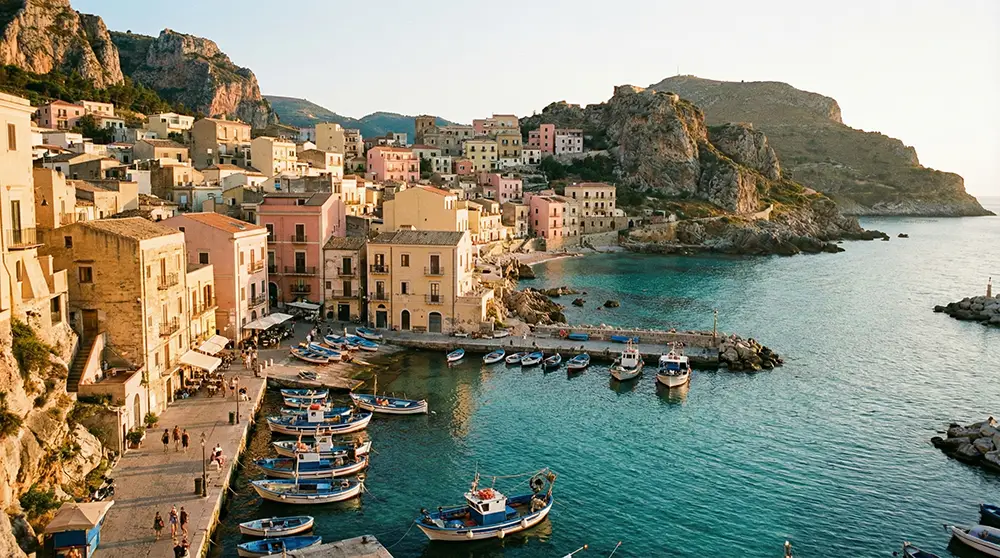
Travel transforms us by broadening our perspectives and connecting us to cultures beyond our own. In 2026, cultural travel experiences are more immersive, interactive, and meaningful than ever before. Whether you want to learn age‑old traditions, explore local festivals, or engage directly with communities, this guide highlights the most unforgettable cultural experiences around the world that should be on every traveler’s bucket list.
1. Witness the Gion Matsuri Festival – Kyoto, Japan
One of Japan’s most iconic cultural celebrations, Gion Matsuri takes over Kyoto each July. This month‑long festival features elaborately decorated floats, traditional music, and ceremonial processions. Visitors can:
- Participate in street food tastings.
- Watch artisans craft floats by hand.
- Join locals in wearing yukata (summer kimono).
The festival originated in the 9th century and remains a living tradition that connects travelers with Japan’s heritage in an unforgettable way.
2. Dance With the Locals at Inti Raymi – Cusco, Peru
Celebrated every June 24 in honor of the winter solstice and the Incan Sun God, Inti Raymi blends spirituality, history, and performance. Set against the dramatic backdrop of Sacsayhuamán ruins, this reenactment includes:
- Colorful traditional costumes and music.
- Ritual offerings and dances.
- Insight into Incan cosmology and agricultural beliefs.
Travelers can also explore nearby indigenous markets, sacred sites, and Andean communities to deepen their experience.
3. Explore the Ancient City of Varanasi – India
Varanasi is one of the world’s oldest continuously inhabited cities and a cornerstone of Hindu spiritual life. Here, culture is woven into everyday routines along the Ganges River, where you can:
- Watch sunrise aarti (prayer) ceremonies on river ghats.
- Participate in meditation and yoga sessions.
- Wander narrow alleys filled with centuries‑old temples and crafts.
Engaging with Varanasi’s rhythms offers a profound cultural and spiritual perspective on life, death, and devotion.
4. Celebrate Dia de los Muertos – Mexico
Dia de los Muertos (Day of the Dead) in Mexico is a vibrant celebration of life and remembrance. Taking place every November 1–2, this experience includes:
- Elaborately decorated altars with offerings (ofrendas).
- Parades in traditional face paint and costumes.
- Music, dance, and community festivities.
The holiday’s blend of indigenous and Catholic traditions offers travelers deep insight into Mexican cultural values surrounding memory and honor.
5. Discover Maasai Traditions – Tanzania & Kenya
The Maasai people are known for their rich cultural heritage and close connection to the East African plains. Travelers interested in authentic cultural engagement can:
- Visit Maasai communities in the Serengeti or Amboseli regions.
- Learn about traditional beadwork, jumping dances, and age‑set ceremonies.
- Participate in guided cultural walks focused on storytelling and heritage.
Sustainable community tourism programs allow respectful cultural exchange while supporting local livelihoods.
6. Attend the Harbin International Ice & Snow Sculpture Festival – China
A winter cultural spectacle, this festival transforms Harbin into a luminous world of ice and snow art. Held from late December into February, highlights include:
- Giant illuminated ice castles and sculptures.
- Ice lantern shows and night‑time light displays.
- Traditional winter games and performances.
More than just a festival, it celebrates local craftsmanship and winter culture in a way unlike anywhere else on Earth.
7. Experience Flamenco in Andalusia – Spain
Flamenco is more than a dance—it’s a cultural expression rooted in the history of Andalusia’s diverse heritage. In cities like Seville, Granada, and Jerez de la Frontera, you can:
- Attend intimate tablao performances.
- Watch professional dancers, guitarists, and singers.
- Take workshops to learn rhythm, posture, and emotional expression.
Understanding flamenco culture offers deep appreciation for Spain’s artistic soul.
8. Learn Traditional Māori Culture – New Zealand
New Zealand offers rich opportunities to engage with Māori culture through welcoming community experiences. Highlights include:
- Visiting a marae (Māori meeting grounds).
- Observing or participating in pōwhiri (welcome ceremonies).
- Learning haka (traditional performance) and weaving practices.
These immersive interactions celebrate indigenous resilience, storytelling, and identity.
Table: Top Cultural Travel Experiences in 2026
| Destination | Cultural Highlight | Best Time to Visit | Why It’s Special |
|---|---|---|---|
| Kyoto, Japan | Gion Matsuri Festival | July | Traditional floats & ceremonies |
| Cusco, Peru | Inti Raymi | June 24 | Incan heritage celebration |
| Varanasi, India | Ganges aarti rituals | Year‑round | Deep spiritual experience |
| Mexico | Dia de los Muertos | Nov 1–2 | Vibrant ancestral festivities |
| Tanzania & Kenya | Maasai cultural visits | Year‑round | Indigenous traditions & crafts |
| Harbin, China | Ice & Snow Festival | Dec–Feb | Massive illuminated sculptures |
| Andalusia, Spain | Flamenco immersion | Year‑round | Artistic cultural performances |
| New Zealand | Māori cultural experiences | Year‑round | Indigenous community engagement |
How to Capture Your Cultural Travel Experience
Travelers today love documenting trips visually. If you’re new to travel photography, Travel Photography Tips for Beginners Using Smartphones can make capturing these moments easier and more impactful. Smartphone cameras let you photograph rituals, landscapes, and people with minimal gear while still producing sharp, high‑quality images.
When taking photos during cultural events or in local communities, always:
- Ask permission when photographing people.
- Respect local customs and privacy.
- Avoid disrupting ceremonies or sacred moments.
Being respectful enhances both your experience and the authenticity of your photos.
Frequently Asked Questions (FAQs)
Q1: What defines a cultural travel experience?
A: Cultural travel focuses on engaging with traditions, customs, arts, history, food, and daily life of a destination rather than simply sightseeing.
Q2: How far in advance should I book cultural festivals?
A: Popular events like Gion Matsuri and Dia de los Muertos benefit from booking accommodations and tickets at least 2–4 months in advance.
Q3: Are cultural experiences appropriate for solo travelers?
A: Yes! Many cultural experiences are solo‑friendly, especially when guided tours or group activities are available.
Q4: How can I be respectful when attending cultural festivals?
A: Learn about local customs ahead of time, follow dress codes, ask before taking photos, and respect sacred spaces.
Q5: Can cultural travel be sustainable and ethical?
A: Absolutely. Choose tours and experiences that support local communities, avoid exploitation, and prioritize cultural preservation.
Final Thoughts
Cultural travel in 2026 offers deeply personal and transformative journeys. From centuries‑old ceremonies in Peru and Japan to indigenous traditions in Africa and New Zealand, these experiences open doors to human connection, empathy, and understanding. Planning ahead, respecting traditions, and engaging authentically will make your cultural travels some of the most memorable moments of your life.
Whether you’re exploring ancient rituals or modern artistic expressions, the world’s cultures await curious travelers ready to learn, respect, and celebrate humanity in all its diversity.