
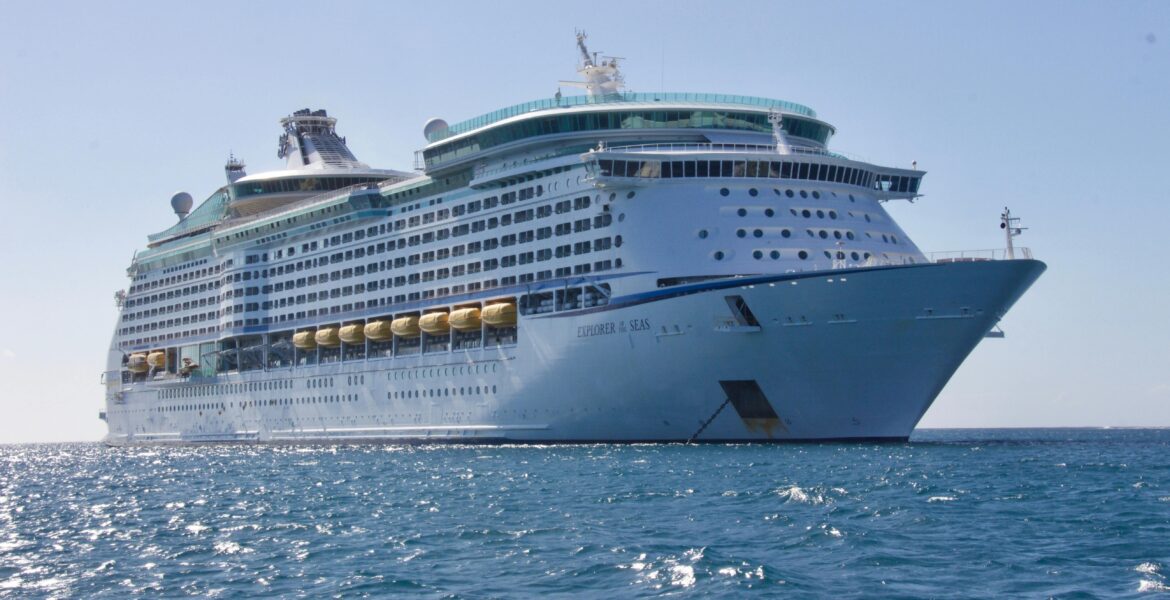
Planning a grand tour of Europe often involves a chaotic juggling act of train schedules, heavy luggage hauling, and endless hotel check-ins. A Mediterranean cruise flips this script entirely, transforming the logistical headache of multi-country travel into a seamless experience where the transit happens while you sleep. Instead of losing precious daylight hours to airports or railway stations, you simply wake up in a new country every morning.
Think of the ship not just as a vessel, but as a mobile basecamp, a floating hotel that transports you effortlessly between iconic cultures. By eliminating the need to pack and repack, you gain the freedom to focus entirely on the experience. In practice, this travel style allows you to see the French Riviera and the Italian coast in a single week without the exhaustion typical of land-based tours.
However, navigating these waters requires recognizing that the doorstep convenience varies by destination. While some stops allow you to walk right into town, others act as gateway ports where the ship docks an hour or more from major landmarks like Rome or Florence. Researching these logistical nuances and securing international maritime travel insurance are the final steps to ensuring your voyage is as relaxing as it is adventurous.
Western vs. Eastern Itineraries: Matching Your Vibe to the Mediterranean Coastline
Choosing a Mediterranean cruise often feels like picking a favorite child because the region is split into two distinct personalities. Rather than trying to see everything in one week, it helps to view the sea as two separate corridors: the Western Loop and the Eastern Loop. Your decision ultimately comes down to whether you prefer bustling metropolises and Renaissance art or island hopping and ancient mythology.
If your dream vacation involves sipping sangria after viewing a Gaudi masterpiece or walking the same streets as the Pope, the Western Mediterranean is your best fit. These itineraries typically hug the coasts of Spain, France, and Italy, offering heavy doses of culture and high-end shopping. Most travelers begin these journeys from major embarkation ports like Barcelona or Civitavecchia, the coastal gateway that sits about 90 minutes outside of Rome, making flight logistics relatively straightforward for international travelers.
Conversely, the Eastern Mediterranean offers a slower pace focused on sun-bleached ruins and turquoise waters. Routes here concentrate on the Adriatic and Aegean seas, taking you to the walled city of Dubrovnik, the white-washed cliffs of Santorini, or the mosques of Istanbul. The focus shifts from visiting crowded museums to exploring archaeological sites and relaxing on beaches that look exactly like the postcards.
To summarize the distinction, the West offers culture and cuisine, with highlights like the Colosseum in Rome, the Sagrada Familia in Barcelona, and the glamour of Monte Carlo. The East offers history and views, with highlights like the Acropolis in Athens, sunset views in Oia, and walking the medieval walls of Kotor.
The Shoulder Season Secret: Best Months for Mediterranean Travel to Avoid Crowds and Heat
Most travelers instinctively look at July or August for their European vacation, aligning with school breaks and guaranteed sunshine. However, the Mediterranean reality during these peak months can be punishing, with temperatures frequently soaring past 90 degrees Fahrenheit inside stone cities like Rome or Athens. To avoid sweltering heat and the dense crush of tourists, savvy planners aim for the shoulder season, which refers to the strategic windows just before and after the summer rush where the weather is mild and the lines are shorter.
May and June are widely considered the best months for Mediterranean travel, offering blooming flowers, comfortable walking weather, and manageable crowds. July and August bring peak heat, maximum prices, and full capacity as families utilize summer holidays. September and October offer warm water that remains suitable for swimming, but with cooler air that creates a relaxed atmosphere ideal for a more leisurely voyage.
Financial incentives are just as compelling as the weather when choosing your dates. Because demand drops significantly once schools reopen, the shoulder season is the most reliable time to find exceptional cruise deals, often allowing you to book a balcony stateroom for the price of an interior cabin in August.
Navigating the Gateway Port Trap: Strategy for Shore Excursions and Transfers
Seeing a famous capital city on your itinerary often comes with a hidden logistical catch known as a gateway port. Unlike a hotel located in the city center, large cruise ships often dock at industrial harbors situated 60 to 90 minutes away from the major landmarks you traveled to see. Treating a distant harbor like a walk-off destination can leave you stranded in a container terminal instead of sipping espresso near the Pantheon.
Rome and Florence are the most notorious examples of this geographic gap. The “Port of Rome” is actually Civitavecchia, a coastal town roughly an hour and a half away by train or bus, which complicates logistics if you are trying to coordinate an airport-to-port transfer on embarkation day. Similarly, ships visiting Florence dock in Livorno, meaning you will spend significant time commuting through the Tuscan countryside before you can actually view Michelangelo’s David.
In contrast, smaller destinations often utilize tenders, which are small lifeboats that ferry passengers from the anchored ship directly to a town pier. This method is common in places like Kotor or Santorini, where the ship acts as a floating balcony overlooking the destination. While tendering offers immediate access to the action, it requires patience, as thousands of passengers must take turns boarding the smaller vessels to get ashore.
For distant cities like Rome, booking a cruise-sponsored tour acts as an insurance policy; if the tour bus hits traffic returning from the capital, the ship will wait for you, whereas independent travelers run the risk of being left behind.
Packing for Port and Pier: The Essential European Summer Wardrobe
Many travelers visualize themselves exploring Europe in high fashion, but the terrain of ancient cities demands a more tactical approach. While destinations like the Acropolis or the walls of Dubrovnik offer stunning views, they are paved with uneven marble and cobblestones that punish flimsy footwear. Prioritize sturdy, broken-in walking shoes over aesthetics to ensure your ankles survive the trek from the tender boat to the city center.
Beyond footwear, your daily outfit determines which landmarks you are actually allowed to enter. Mediterranean summers are scorching, yet religious sites enforce strict modesty rules that prohibit exposed shoulders and knees regardless of the heat. Carry a lightweight scarf or shawl that can be quickly draped over tank tops when entering cathedrals, then removed once you return to the sun-drenched streets.
To maximize cabin space without sacrificing style, adopt a capsule strategy divided into three categories. A port explorer outfit consists of breathable linen and comfortable trainers for shore excursions. Onboard casual wear includes sundresses, polos, or shorts for lounging by the pool. An elegant evening option requires just a single cocktail dress or blazer for the captain’s dinner.
Luxury vs. Mid-Range Liners: Decoding Inclusions and Hidden Costs
The advertised fare for a Mediterranean voyage often functions more like a down payment than a final total. While your ticket covers accommodation and main dining hall meals, standard mid-range ships operate on an a la carte model where extras quickly accumulate. Daily gratuities, which are mandatory service charges often exceeding $16 per person per day, are automatically added to your bill alongside costs for Wi-Fi, specialty restaurants, and beverages. A bargain deal can easily double in cost once these necessary onboard amenities are factored in.
Selecting the right vessel requires looking past the price tag to compare the onboard atmosphere. Where mass-market ships focus on high-energy activities and paid add-ons, luxury cruises typically bundle alcohol, excursions, and internet into a higher upfront fare to create a seamless environment. A mid-range option suits travelers seeking a floating resort with endless entertainment, while luxury vessels appeal to those prioritizing quiet refinement and all-inclusive pricing that eliminates the stress of signing a receipt for every cappuccino.
Beyond the budget, travelers from outside the European Union must also navigate Schengen visa requirements, as moving between countries like Italy and Spain counts as travel within a single zone, but stops in non-Schengen ports like Istanbul can trigger specific entry rules. Verifying your documentation early ensures you are not denied boarding.
Your Mediterranean Launchpad: A Final Checklist for the Confident Traveler
The Mediterranean is no longer a daunting tangle of train schedules and hotel bookings, but an accessible mosaic of cultures waiting at your doorstep. This shift from logistical overwhelm to strategic planning puts the focus back where it belongs: on the experience of discovery rather than the stress of transit.
Move from research to reservation by first verifying your passport validity and visa needs, then protecting your investment with comprehensive travel insurance. Once your legal documents are ready, match your itinerary to your personality, deciding between the historic intensity of major Western ports or the relaxed allure of the Greek islands, and target shoulder season dates to maximize value.
With the logistics mastered, the only difficult choice left on your vacation is between a guided tour of the Colosseum or a quiet afternoon with a gelato.