
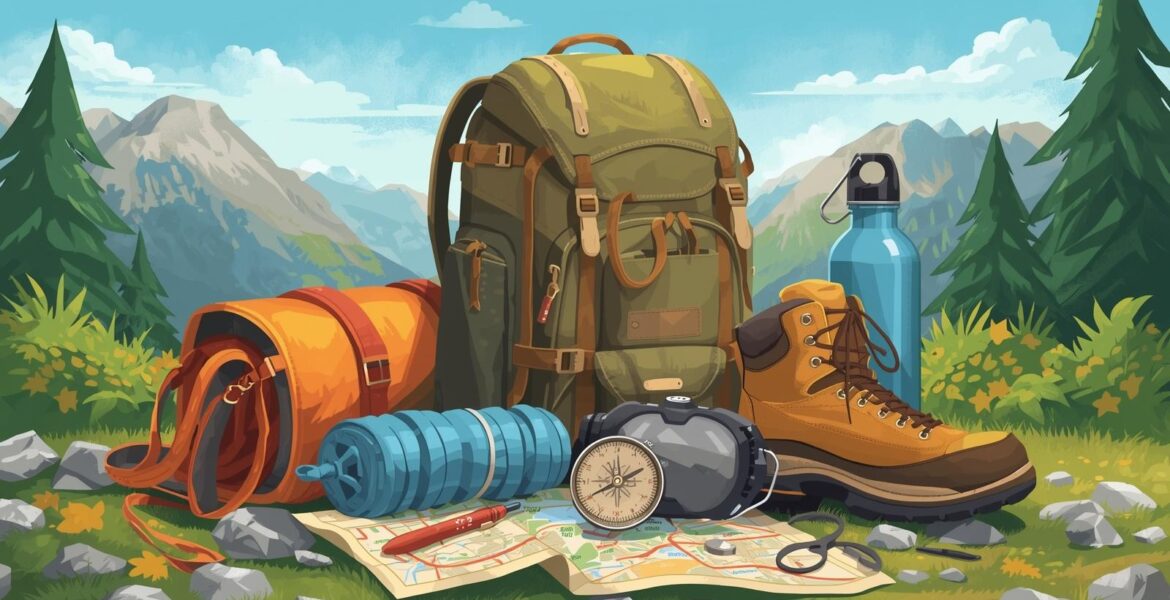
Ever been on a walk and felt the urge to see where that little dirt path leads? That curiosity is the heart of hiking, but it is often followed by a wave of questions. What do I wear? What do I pack? How do I even start?
The biggest mistake many beginners make is assuming they need a closet full of expensive gear. In reality, the difference between a great hike and an uncomfortable slog often comes down to a few smart choices. Surprisingly, the right shirt can matter more than the most expensive boots.
This guide will help you step onto the trail with confidence by skipping overwhelming lists and technical jargon. Instead, it focuses on a simple checklist that turns curiosity into a safe and memorable day outdoors.
Why Your Sneakers Are Not Enough: Choosing the Right Hiking Footwear
Your favorite sneakers may be perfect for city sidewalks, but trails are a different environment. Uneven ground, hidden roots, and loose rocks create hazards that regular running shoes are not designed to handle. A simple misstep in a low cut sneaker can easily result in a twisted ankle.
Hiking boots or sturdy trail shoes provide better ankle support, acting like a gentle brace that stabilizes your foot and reduces the risk of injury. This added structure gives you the confidence to walk across uneven terrain without constantly worrying about your footing.
Traction is another major difference. The relatively flat sole of a running shoe offers little grip on loose dirt or wet rock. Hiking footwear features deeper, more rugged treads that dig into the ground, much like a car tire gripping the road. This improved traction helps you stay upright and steady, especially on descents.
Protection also plays a key role. Sneakers have flexible soles that allow you to feel every sharp rock and root beneath your feet. Hiking boots are built with stiffer soles that distribute pressure and shield your feet from impact. By the end of the day, that protection makes a noticeable difference in your comfort and energy levels.
The Two Lifesavers in Your Pack: Water and a Charged Phone
Once your feet are protected, hydration becomes your top priority. A reliable guideline is to bring at least one liter of water for every two hours of hiking. Carrying extra water is not excessive. It is a critical safety measure that keeps you energized and thinking clearly throughout your trip.
Equally important is the device already in your pocket. A fully charged smartphone serves as your map, compass, and emergency contact tool. Starting every hike with a full battery ensures that you have access to navigation and communication if needed.
However, you should not rely solely on cell service. Before leaving home, download your trail map using a mapping app that allows offline access. This simple step enables your phone’s GPS to pinpoint your location even when there is no signal. For beginners, offline navigation is one of the most practical safety habits to develop.
How to Dress in Layers: The Secret to All Day Hiking Comfort
Your body temperature changes constantly during a hike. You might feel cold at the start, warm while climbing a hill, and chilled again when you stop for a break. That is why cotton clothing is not recommended for hiking. Cotton absorbs sweat and holds moisture against your skin, leaving you cold and uncomfortable when you stop moving.
Instead, dress in layers that you can easily adjust. Begin with a moisture wicking base layer made from synthetic fabric or wool. This layer pulls sweat away from your skin and helps regulate body temperature.
Next, add an insulating mid layer such as a fleece jacket. This layer provides warmth and can be removed if you start to overheat. The ability to add or remove layers as conditions change keeps you comfortable throughout the day.
Always include a lightweight rain jacket in your pack, even if the forecast predicts clear skies. A rain jacket doubles as a windbreaker, offering protection on exposed ridges or during breezy rest stops. This simple layering strategy can transform an uncomfortable outing into an enjoyable adventure.
Beyond Water: Packing Your First Hiking Daypack
For short hikes, any comfortable backpack you already own will usually suffice. It does not need to be specialized or expensive. Its primary function is to carry essentials while keeping your hands free.
In addition to water and extra layers, pack a few small items that can handle common trail situations. Think of this as a simple safety starter kit.
Navigation is first. Bring your fully charged phone with an offline trail map ready to use.
Sun protection is equally important. Pack sunscreen, sunglasses, and a hat to protect your skin and eyes, even on cloudy days.
A basic first aid kit should include a few adhesive bandages for blisters and minor cuts, along with antiseptic wipes. These small supplies can prevent minor issues from turning into larger problems.
Bring extra food such as an energy bar or trail mix. Hiking burns more calories than many people expect. A quick snack can restore energy and keep your mood positive.
Finally, include a light source. Your phone’s flashlight may be sufficient for short trips, but a small headlamp is even better. If your hike takes longer than planned, having reliable light adds an extra layer of safety.
How to Be a Good Guest in Nature: The Leave No Trace Principle
Hiking is not only about personal enjoyment. It also involves responsibility toward the environment. The guiding principle is simple: Leave No Trace. Everything you bring with you must return home with you. This includes snack wrappers, tissues, and even biodegradable items like fruit peels.
Following this principle protects wildlife and preserves the natural beauty of the trail for future visitors. Small actions, when repeated by many people, can significantly impact the environment.
Trail etiquette also matters. On narrow paths, hikers traveling uphill generally have the right of way because maintaining momentum on a climb requires more effort. A friendly greeting goes a long way toward building a positive trail community and can enhance personal safety as well.
Staying on marked trails is equally important. Shortcuts damage vegetation and contribute to erosion, which can permanently harm the landscape. Trails are carefully designed to provide the safest route for hikers while minimizing environmental impact.
You Are Ready to Hike: Your First Trail Awaits
With the right footwear, proper hydration, layered clothing, and a few essential items in your pack, you are prepared for your first hike. The outdoors is no longer an intimidating unknown. It is an accessible and rewarding destination.
Your next step is simple. This weekend, explore a local park website or a hiking app to find nearby trails. Start with routes labeled easy and under three miles in length. These shorter hikes allow you to build confidence and experience without feeling overwhelmed.
A successful first hike is not about distance or speed. It is about feeling safe, enjoying the journey, and finishing with the excitement to go again. You do not need more gear or more research. You are ready to take that first step onto the trail.