
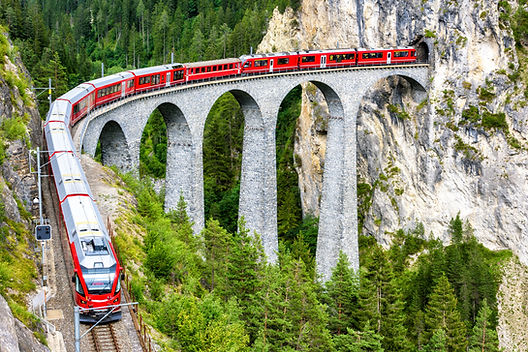
Traveling across Europe by train is one of the most scenic, comfortable, and efficient ways to explore the continent. From snow-capped mountains to charming countryside villages and iconic capital cities, Europe’s rail network connects it all. The good news? You don’t have to spend a fortune to enjoy it. Learning how to travel Europe by train on a budget can help you experience multiple countries without overspending.
This complete guide will walk you through practical strategies, money-saving tips, and smart planning advice for affordable rail travel in Europe.
Why Choose Train Travel in Europe?
Europe has one of the most advanced rail systems in the world. High-speed trains, regional routes, and cross-border connections make traveling smooth and convenient.
Benefits include:
-
City-center to city-center travel
-
No long airport security lines
-
Scenic views throughout the journey
-
Comfortable seating and extra luggage space
-
Lower carbon footprint compared to flights
For budget travelers, trains can be both economical and efficient when planned correctly.
1. Book Tickets in Advance
One of the most important tips for how to travel Europe by train on a budget is booking early. Train tickets in many European countries are cheaper when purchased weeks or months ahead.
High-speed trains in countries like France, Italy, and Germany often offer discounted “early bird” fares. Last-minute bookings can be significantly more expensive.
Pro Tip:
Set price alerts and compare departure times to find cheaper options during off-peak hours.
2. Consider a Eurail or Interrail Pass
If you plan to visit multiple countries, a rail pass can save money.
Eurail Pass:
For non-European residents.
Interrail Pass:
For European residents.
These passes allow unlimited travel within a set number of days across participating countries.
Best for:
-
Multi-country trips
-
Flexible travel plans
-
Spontaneous itinerary changes
Always compare the total cost of individual tickets versus a rail pass before purchasing.
3. Travel During Off-Peak Seasons
Timing matters. Traveling in spring (April–June) or fall (September–October) can significantly reduce costs.
Advantages:
-
Lower ticket prices
-
Fewer crowds
-
Better seat availability
-
Discounted accommodation
Avoid peak summer months if possible to maximize savings.
4. Use Regional Trains Instead of High-Speed Trains
High-speed trains are fast but often more expensive. Regional trains take longer but are much cheaper.
For example:
-
A high-speed route may cost €60
-
A regional alternative might cost €25
If you’re not in a hurry, regional routes are ideal for budget travelers.
5. Compare Routes and Border Crossings
Sometimes indirect routes are cheaper than direct trains. Exploring alternative connections can reduce ticket costs.
Example:
Traveling from Paris to Milan via Switzerland may cost less than a direct high-speed service.
Always compare:
-
Travel time
-
Ticket price
-
Seat reservation requirements
6. Pack Smart to Avoid Extra Fees
Most trains allow generous luggage limits, but high-speed services sometimes require seat reservations at additional cost.
Tips:
-
Travel light
-
Use a backpack instead of large suitcases
-
Keep essentials in a small day bag
Budget travel becomes easier when you move efficiently.
7. Take Advantage of Discount Cards
Several countries offer rail discount cards:
-
Youth discounts (under 27)
-
Senior discounts
-
Family passes
-
Student cards
Check eligibility before booking tickets.
8. Use Night Trains for Accommodation Savings
Night trains allow you to travel while you sleep, saving the cost of one night’s accommodation.
Benefits:
-
Save money on hotels
-
Maximize daytime sightseeing
-
Experience classic European rail travel
Sleeping compartments vary from budget couchettes to private cabins.
Budget Breakdown Example
| Expense Category | Estimated Cost (10–14 Days) |
|---|---|
| Rail Pass or Tickets | €200–€500 |
| Seat Reservations | €30–€100 |
| Accommodation | €400–€900 |
| Food | €250–€400 |
| Local Transport | €100–€200 |
Total estimated rail-focused trip: €1000–€2100 depending on comfort level.
Safety Tips for Train Travel
Europe’s train network is generally safe, but always stay alert.
-
Keep valuables in a secure bag
-
Avoid leaving luggage unattended
-
Stay aware at busy stations
-
Lock your backpack if needed
Traveling by train is especially convenient for those exploring Safest Countries for Solo Female Travelers, as many European rail systems are secure and well-monitored.
Best Budget-Friendly Train Routes
Here are some scenic and affordable routes:
-
Prague to Vienna
-
Budapest to Bratislava
-
Milan to Florence
-
Berlin to Munich
-
Barcelona to Valencia
These routes are often reasonably priced and visually stunning.
Money-Saving Hacks
-
Travel midweek (Tuesday–Thursday)
-
Avoid traveling during national holidays
-
Bring snacks to avoid expensive station food
-
Use public transport instead of taxis
-
Download offline maps
Small savings add up quickly during a multi-country trip.
Sample 7-Day Budget Train Route
Day 1–2: Paris
Day 3: Brussels
Day 4–5: Amsterdam
Day 6: Cologne
Day 7: Frankfurt
This route keeps distances short and ticket costs manageable.
FAQs
1. Is train travel cheaper than flying in Europe?
It can be, especially when booked in advance. Budget airlines may appear cheaper, but additional baggage and airport transfer costs can add up.
2. Do I need seat reservations with a rail pass?
Some high-speed trains require mandatory seat reservations, which may cost extra.
3. What is the cheapest way to buy European train tickets?
Book early online, compare prices, and consider regional trains for shorter distances.
4. Are night trains safe?
Yes, night trains are generally safe, especially if you book a reserved sleeping compartment.
5. How far in advance should I book?
For the best prices, book 1–3 months in advance for high-speed trains.
Final Thoughts
Learning how to travel Europe by train on a budget opens the door to unforgettable adventures without draining your savings. With smart planning, flexible travel dates, and strategic ticket purchases, you can explore multiple countries affordably and comfortably.