
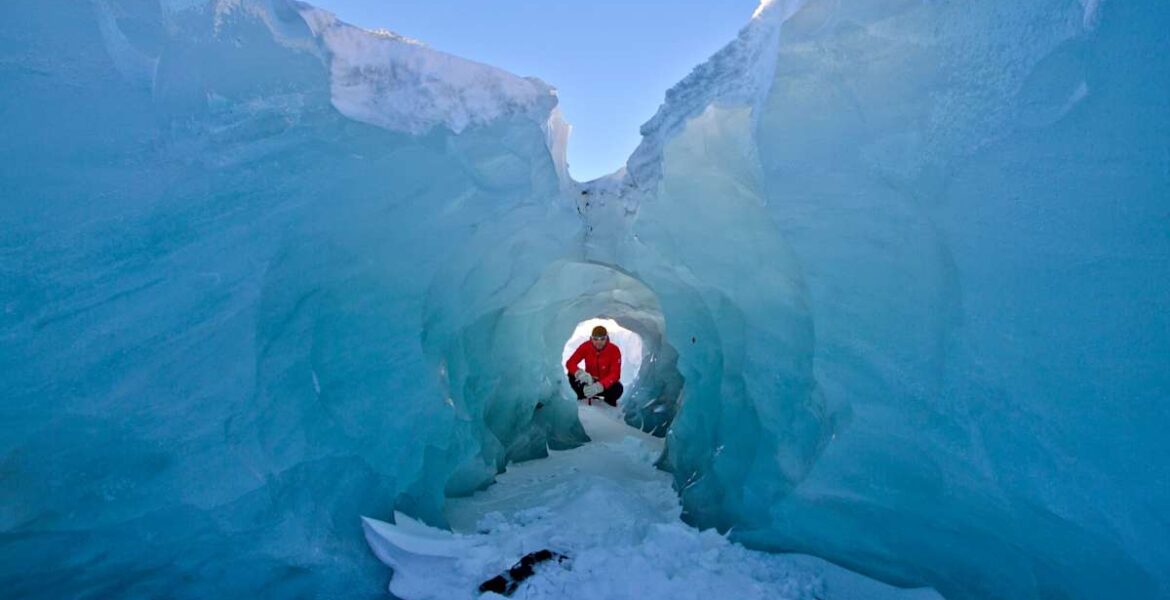
Iceland is a dream destination for solo travelers, offering dramatic landscapes, geysers, glaciers, volcanoes, and the magical Northern Lights. Planning a solo trip to Iceland safely requires careful preparation, awareness of weather conditions, and knowledge of local regulations. Whether you’re chasing waterfalls, exploring lava fields, or relaxing in hot springs, following these steps ensures an enjoyable and secure adventure.
This guide covers essential tips, recommended itineraries, safety precautions, and practical advice for first-time solo travelers to Iceland.
Why Iceland is Perfect for Solo Travel
Iceland is widely considered one of the safest countries in the world, with low crime rates and a friendly population. Benefits for solo travelers include:
-
Safety: Low violent crime rates and reliable emergency services.
-
Accessibility: Well-maintained roads and clear signage across the country.
-
Solo-Friendly Activities: Hot springs, hiking trails, and guided tours cater to individuals.
-
Unique Experiences: Glacier hiking, geothermal pools, whale watching, and the Northern Lights can be enjoyed independently.
Despite its safety, Iceland’s unpredictable weather and remote locations require preparation and vigilance.
Step 1: Plan Your Itinerary
A well-structured itinerary helps maximize experiences while minimizing risks. Key areas to include:
-
Reykjavik: Cultural hub, museums, restaurants, and nightlife.
-
Golden Circle: Þingvellir National Park, Geysir geothermal area, Gullfoss waterfall.
-
South Coast: Seljalandsfoss and Skógafoss waterfalls, Reynisfjara black sand beach.
-
Vatnajökull National Park: Glacier hikes and ice caves.
-
Northern Iceland: Akureyri, Myvatn, and possible Northern Lights sightings in winter.
For solo travelers, booking day tours or guided activities in remote areas enhances safety.
Step 2: Choose Safe and Comfortable Accommodation
-
Opt for reputable hotels, guesthouses, or hostels with good reviews.
-
Consider Airbnb options in well-populated areas for social engagement and security.
-
For added comfort and privacy, Iceland offers luxury stays reminiscent of indulgent experiences like Luxury Overwater Bungalows in Maldives with Private Pool, though at varying price points.
Secure bookings in advance, especially during peak seasons, to avoid last-minute stress.
Step 3: Prepare for Icelandic Weather
Iceland’s weather can change rapidly:
-
Layered Clothing: Waterproof jackets, thermal base layers, and sturdy hiking boots are essential.
-
Windproof Gear: Strong winds are common, especially near coasts.
-
Emergency Kit: Include a flashlight, power bank, and first aid kit for remote areas.
-
Check Weather Forecasts: Websites like Vedur.is provide up-to-date alerts and conditions.
Weather awareness is critical for solo travelers to avoid accidents or being stranded in remote regions.
Step 4: Transportation Safety
-
Renting a Car: Many travelers prefer self-driving; choose 4×4 vehicles for rough terrain.
-
Road Safety: Icelandic roads may have single-lane bridges and gravel paths. Follow speed limits and drive cautiously.
-
Public Transport: Bus routes cover some areas, but rural locations may require guided tours or rental vehicles.
-
Daylight Awareness: Limited daylight hours in winter mean planning driving and sightseeing carefully.
Solo drivers should inform someone of their route if venturing into remote areas.
Step 5: Outdoor Activity Precautions
-
Hiking: Stick to marked trails, carry a map or GPS, and avoid hiking alone in glaciers without a guide.
-
Hot Springs & Geothermal Pools: Use caution; some natural pools may be very hot or slippery.
-
Northern Lights Viewing: Dress warmly, choose safe locations, and check road conditions before traveling at night.
-
Wildlife & Natural Hazards: Maintain distance from wildlife and respect signage around geysers, cliffs, and volcanic areas.
Guided tours are recommended for solo travelers in glaciers, ice caves, and other high-risk areas.
Step 6: Communication and Emergency Planning
-
SIM Card or Roaming Plan: Ensure mobile coverage for navigation and emergencies.
-
Local Emergency Numbers: Dial 112 for fire, police, or medical emergencies.
-
Inform Family/Friends: Share your itinerary and check in regularly.
-
Travel Insurance: Covers medical emergencies, lost belongings, and unexpected trip interruptions.
Preparedness ensures safety and peace of mind for solo travelers.
Step 7: Budgeting Tips
Iceland can be expensive, but careful planning reduces costs:
-
Cook some meals using hostel kitchens or rental accommodations.
-
Use public pools instead of private spa entries for hot spring experiences.
-
Travel during shoulder seasons (spring or fall) for lower accommodation rates.
-
Combine sightseeing trips into day tours to save on transport and guide fees.
Even solo travelers can experience luxury on a budget by mixing local experiences with occasional splurges.
Frequently Asked Questions (FAQs)
Is Iceland safe for solo female travelers?
Yes, Iceland is consistently ranked as one of the safest countries for women traveling alone.
Can I drive alone in Iceland in winter?
Yes, but check road conditions and weather forecasts daily. Roads may be icy and challenging.
How do I see the Northern Lights safely?
Join guided tours or visit safe, populated areas away from city lights. Dress warmly and check aurora forecasts.
Are there budget-friendly accommodations in Iceland?
Yes, hostels, guesthouses, and Airbnb options are available. Booking early ensures better rates.
What should I pack for a solo trip to Iceland?
Layered clothing, waterproof gear, sturdy boots, power bank, first aid kit, and camera for capturing Iceland’s landscapes.
Final Thoughts
Planning a solo trip to Iceland safely combines preparation, awareness, and smart decision-making. From structured itineraries and reliable transportation to weather preparedness and accommodation choices, solo travelers can enjoy the country’s natural wonders with confidence. By following these guidelines, adventurers can experience Iceland’s breathtaking landscapes, from geothermal pools to glaciers, safely and memorably.