
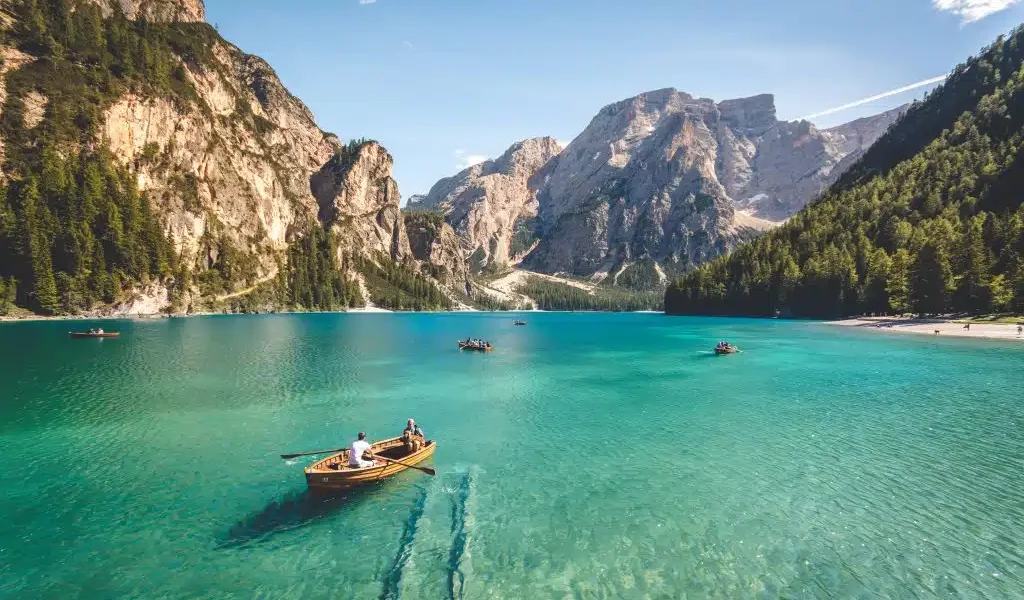
In a world dominated by fast itineraries and packed sightseeing schedules, slow travel offers a refreshing alternative. Instead of rushing from one attraction to another, slow travel focuses on meaningful experiences, cultural immersion, and mindful exploration. Choosing the right travel destinations for slow travel experiences allows you to connect deeply with local communities, savor regional cuisine, and truly absorb your surroundings.
This guide explores some of the best destinations around the world that are perfect for embracing the slow travel philosophy.
What Is Slow Travel?
Slow travel is about quality over quantity. Rather than visiting multiple cities in a short time, travelers spend extended periods in one place to:
-
Engage with local culture
-
Support local businesses
-
Explore hidden gems
-
Reduce travel stress
-
Minimize environmental impact
It encourages walking through neighborhoods, learning basic local phrases, cooking regional dishes, and participating in community traditions.
Why Choose Slow Travel?
Slow travel offers numerous benefits:
-
Deeper cultural connections
-
Reduced travel fatigue
-
More sustainable tourism
-
Authentic experiences
-
Greater personal relaxation
Instead of checking landmarks off a list, you create lasting memories through meaningful interactions.
Top Travel Destinations for Slow Travel Experiences
1. Tuscany, Italy
Tuscany is ideal for slow travel with its rolling vineyards, charming villages, and relaxed pace of life.
Why It’s Perfect:
-
Farm-to-table cuisine
-
Wine tastings in small vineyards
-
Scenic countryside walks
-
Historic towns like Siena and Montepulciano
Spending weeks in Tuscany allows you to immerse yourself in Italian culture beyond typical tourist routes.
2. Kyoto, Japan
Kyoto’s temples, tea houses, and traditional gardens invite quiet reflection and mindful exploration.
Slow Travel Highlights:
-
Participating in tea ceremonies
-
Visiting local markets
-
Exploring bamboo forests
-
Staying in traditional ryokans
Kyoto encourages patience and appreciation of small details.
3. Provence, France
Provence offers lavender fields, local markets, and sun-drenched villages.
Best Experiences:
-
Shopping at farmers’ markets
-
Learning regional cooking techniques
-
Cycling through vineyards
-
Visiting small art galleries
The relaxed rhythm of life makes Provence ideal for long stays.
4. Ubud, Bali (Indonesia)
Ubud is known for its spiritual atmosphere, rice terraces, and wellness retreats.
What Makes It Ideal:
-
Yoga and meditation sessions
-
Farm-to-table dining
-
Exploring artisan villages
-
Nature walks through rice fields
It’s a destination that promotes mindfulness and balance.
5. Andalusia, Spain
Southern Spain’s Andalusia region offers flamenco culture, Moorish architecture, and sun-soaked plazas.
Slow Travel Appeal:
-
Living in whitewashed villages
-
Enjoying long tapas evenings
-
Learning Spanish from locals
-
Attending small cultural festivals
The region’s warm hospitality enhances the slow travel experience.
6. The Cotswolds, England
The Cotswolds are famous for honey-colored cottages and peaceful countryside.
Ideal For:
-
Countryside hikes
-
Cozy pub visits
-
Exploring small villages
-
Relaxed rural living
This region allows travelers to disconnect and recharge.
7. Oaxaca, Mexico
Oaxaca combines vibrant culture with a slower pace of life.
Why Visit:
-
Traditional cooking classes
-
Indigenous craft workshops
-
Local markets
-
Mezcal tasting experiences
The region offers authentic cultural immersion.
8. Coastal Villages of Portugal
Portugal’s small coastal villages provide scenic beauty and relaxed seaside charm. While many travelers rush to major cities, spending extended time in lesser-known fishing towns offers authentic experiences. Some of these areas are often featured alongside the Best Coastal Towns to Visit in Europe for their picturesque settings and traditional lifestyles.
Comparison Table: Ideal Slow Travel Destinations
| Destination | Country | Best For | Unique Experience |
|---|---|---|---|
| Tuscany | Italy | Food & Wine | Vineyard Stays |
| Kyoto | Japan | Cultural Immersion | Tea Ceremonies |
| Provence | France | Countryside Living | Farmers’ Markets |
| Ubud | Indonesia | Wellness | Yoga Retreats |
| Andalusia | Spain | Cultural Heritage | Flamenco Evenings |
| Cotswolds | England | Rural Escapes | Village Walks |
| Oaxaca | Mexico | Culinary Travel | Traditional Cooking |
Key Features of a Good Slow Travel Destination
When selecting a slow travel destination, look for:
-
Walkable neighborhoods
-
Strong local culture
-
Affordable long-term accommodations
-
Community-based experiences
-
Access to local food markets
-
Natural beauty
Destinations that encourage connection rather than consumption are ideal.
Tips for Planning a Slow Travel Experience
1. Stay Longer in One Place
Book accommodations for at least one to two weeks to fully immerse yourself.
2. Choose Local Accommodations
Opt for guesthouses, boutique stays, or homestays instead of large hotel chains.
3. Shop and Eat Locally
Support local businesses and try regional specialties.
4. Learn the Language Basics
Even simple greetings can enhance cultural interactions.
5. Use Public Transportation or Walk
This reduces environmental impact and helps you experience daily life like a local.
Benefits of Slow Travel for Mental Well-Being
Slow travel encourages mindfulness and reduces stress. Without packed schedules, travelers can:
-
Sleep better
-
Explore at a comfortable pace
-
Reflect and journal
-
Connect more deeply with companions
It turns travel into a restorative experience rather than a hectic checklist.
Sustainable Impact of Slow Travel
Slow travel supports sustainability by:
-
Reducing frequent flights
-
Supporting small businesses
-
Encouraging responsible tourism
-
Preserving cultural traditions
By spending more time in one destination, travelers contribute positively to local economies.
Frequently Asked Questions (FAQs)
1. What is slow travel?
Slow travel is a travel philosophy that emphasizes meaningful experiences, cultural immersion, and extended stays rather than rushing through multiple destinations.
2. How long should a slow travel trip be?
Ideally, slow travel involves staying at least one to two weeks in a single destination.
3. Is slow travel more affordable?
It can be. Longer stays often reduce accommodation costs, and cooking locally sourced food saves money.
4. Is slow travel suitable for families?
Yes, it allows families to settle into routines and explore destinations without stress.
5. Do I need a flexible schedule for slow travel?
Yes, flexibility allows you to embrace spontaneous experiences and local opportunities.
Conclusion
Travel destinations for slow travel experiences offer more than scenic views—they provide opportunities for meaningful connection, cultural understanding, and personal growth. Whether you’re wandering through Tuscany’s vineyards, meditating in Ubud, or enjoying long dinners in Andalusia, slow travel transforms the way you explore the world.