
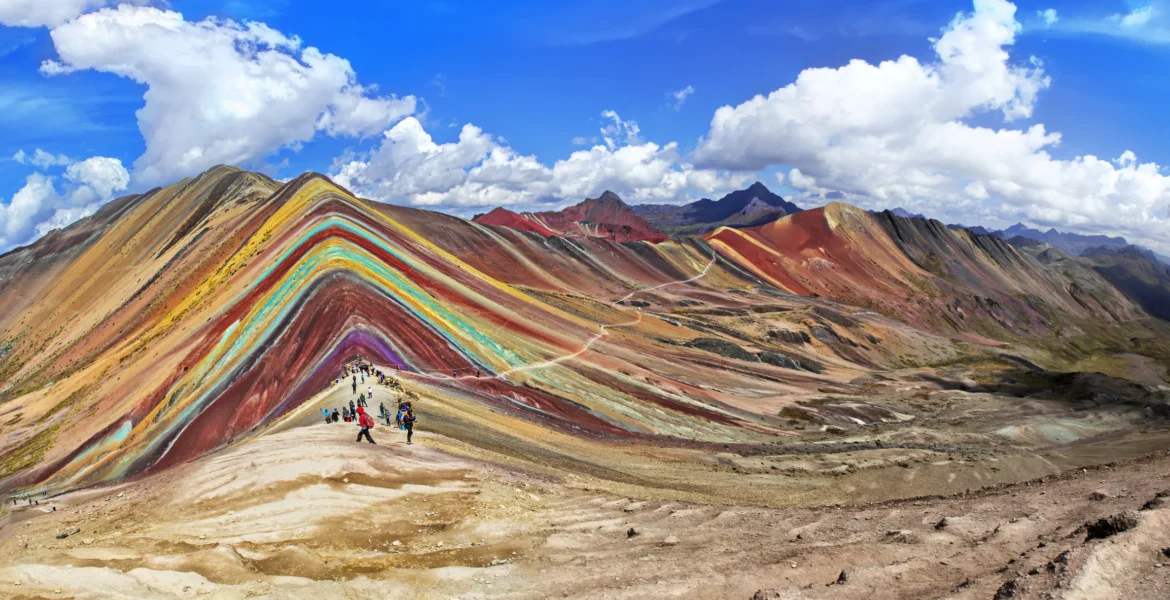
South America is a backpacker’s paradise, offering vibrant cultures, breathtaking landscapes, and unforgettable adventures. From towering Andes peaks to tropical rainforests, desert expanses, and colorful colonial cities, backpacking in South America combines natural beauty with rich cultural experiences. Choosing the right route can make your journey safer, more efficient, and more rewarding.
This article explores the best backpacking routes in South America, tips for planning, and must-visit highlights for travelers seeking adventure, culture, and scenic exploration.
Why South America Is Perfect for Backpackers
South America attracts backpackers for several reasons:
-
Diverse landscapes ranging from mountains and deserts to beaches and jungles
-
Affordable travel and accommodation options
-
Rich history, art, and culinary experiences
-
Opportunities for adventure sports and outdoor activities
-
Friendly local communities and vibrant cultural festivals
Backpackers can travel independently, follow established trails, or explore off-the-beaten-path locations, making South America versatile for all kinds of travelers.
Key Considerations for Backpacking in South America
Before hitting the road, it’s important to plan effectively:
-
Duration and Season: South America’s climate varies widely. The dry season is generally best for trekking, while rainy seasons may make some trails impassable.
-
Safety: Research safe neighborhoods, public transport, and trekking conditions.
-
Budget: South America offers a range of budget-friendly hostels, local eateries, and affordable bus travel.
-
Permits and Entry Requirements: Certain national parks and trekking routes require permits, so plan ahead.
Proper preparation ensures a smooth and memorable backpacking experience.
Top Backpacking Routes in South America
1. Peru: Cusco to Machu Picchu
The classic Inca Trail is ideal for adventurous backpackers. Highlights include:
-
Andean highlands and lush cloud forests
-
Ancient Incan ruins and Machu Picchu at the endpoint
-
Opportunities for multi-day treks with stunning vistas
Alternate routes, such as the Salkantay Trek, offer less crowded paths with equally spectacular scenery.
2. Argentina and Chile: Patagonia Circuit
Patagonia is known for dramatic landscapes with glaciers, mountains, and fjords. Highlights include:
-
Hiking in Torres del Paine National Park (Chile)
-
Trekking the Fitz Roy Range near El Chaltén (Argentina)
-
Remote wilderness experiences with breathtaking views
Patagonia is perfect for long-distance backpackers seeking rugged terrain and adventure.
3. Bolivia: Salar de Uyuni to La Paz
Bolivia offers surreal landscapes and high-altitude trekking. Highlights include:
-
Expansive salt flats at Salar de Uyuni
-
Colorful lagoons and desert formations
-
Unique Andean culture and local markets
Many backpackers combine Bolivia with neighboring Peru or Chile for a multi-country adventure.
4. Ecuador: Quito to the Galápagos Islands
Ecuador is compact but packed with diversity. Highlights include:
-
Hiking around Cotopaxi and Quilotoa Crater
-
Exploring colonial Quito and vibrant markets
-
Island hopping in the Galápagos for wildlife encounters
Ecuador’s small size allows backpackers to see multiple landscapes without long journeys.
5. Brazil: Rio de Janeiro to Salvador
Brazil combines urban excitement with natural beauty. Highlights include:
-
Hiking in Tijuca National Park
-
Coastal treks along Bahia beaches
-
Samba and cultural festivals in Salvador
Brazil is ideal for backpackers who enjoy mixing adventure with vibrant city life.
Recommended Route Itinerary Table
| Route | Duration | Key Highlights | Difficulty Level |
|---|---|---|---|
| Cusco to Machu Picchu (Peru) | 4–7 days | Andes, Inca ruins | Moderate |
| Patagonia Circuit (Chile & Argentina) | 7–14 days | Glaciers, peaks | Challenging |
| Salar de Uyuni to La Paz (Bolivia) | 3–7 days | Salt flats, lagoons | Moderate |
| Quito to Galápagos (Ecuador) | 5–10 days | Volcanoes, wildlife | Easy–Moderate |
| Rio to Salvador (Brazil) | 5–10 days | Beaches, culture | Easy |
These itineraries are flexible and can be adjusted based on time, budget, and fitness level.
Travel Tips for South American Backpackers
-
Pack Light: Focus on essentials and weather-appropriate clothing.
-
Use Local Transport: Buses and shared shuttles are cheap and convenient.
-
Stay in Hostels: Affordable, social, and ideal for meeting other backpackers.
-
Learn Basic Spanish: Even a few phrases improve communication and travel ease.
-
Prioritize Safety: Keep valuables secure, avoid risky areas, and research each destination.
Planning ahead allows backpackers to maximize experiences while minimizing common travel challenges.
Benefits of Including Train Travel in South America
While buses dominate overland travel, certain scenic train routes enhance your journey. Travel Destinations With Scenic Train Journeys, such as Peru’s train to Machu Picchu or the luxury Andean Explorer in Bolivia, provide breathtaking landscapes combined with comfort. These experiences create a memorable alternative to long bus rides and are perfect for capturing panoramic views of mountains, valleys, and cultural landmarks.
Frequently Asked Questions
What is the best time to backpack in South America?
Generally, the dry season (May to September) is ideal for trekking, while coastal regions may be visited year-round.
Do I need to speak Spanish to backpack here?
Basic Spanish helps, but many tourist areas have English-speaking guides and staff.
How long should a South American backpacking trip last?
A minimum of 2–3 weeks allows visiting multiple countries or regions, while longer trips offer deeper exploration.
Are solo backpackers safe in South America?
Yes, with standard travel precautions, solo backpacking is common and generally safe.
Can beginner hikers handle these routes?
Yes, many routes have options for varying skill levels, though some areas like Patagonia require more experience.
Conclusion
South America offers diverse and unforgettable backpacking experiences, from ancient ruins and volcanic peaks to glaciers, beaches, and vibrant cities. Choosing the right route, planning logistics, and prioritizing safety ensures that backpackers can enjoy the continent’s stunning landscapes and rich cultures. Including scenic train journeys or alternative transportation adds comfort and panoramic views, creating memories that last a lifetime.