
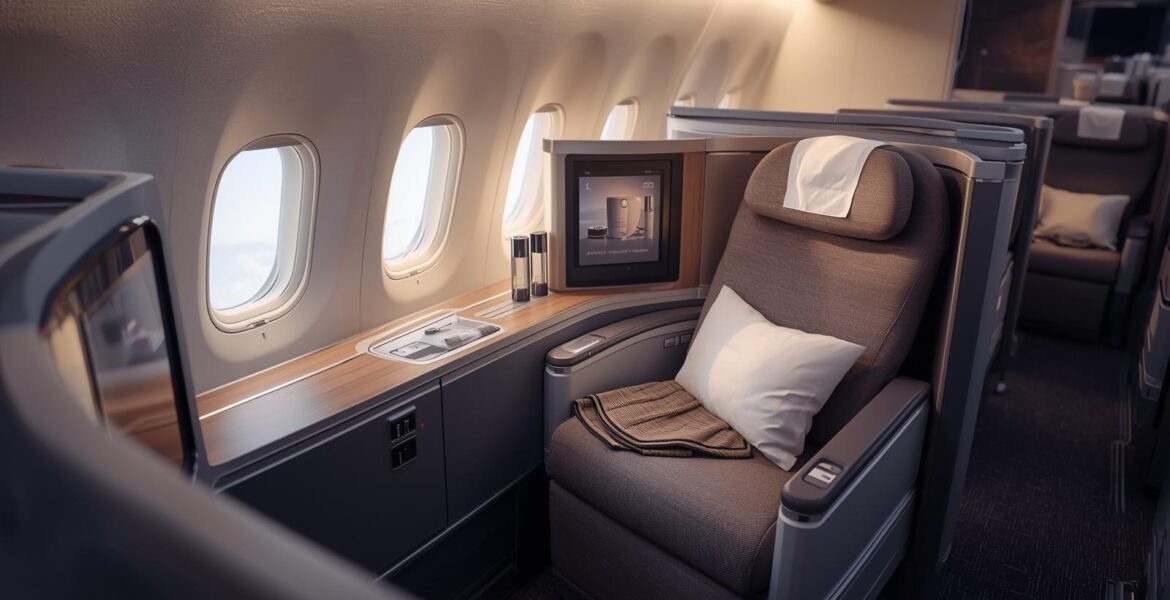
Have you ever walked past those wide, inviting seats on your way to the back of the plane and wondered what it’s really like up there? Many people assume business class is all about extra legroom, but the reality is far more expansive. The true value of business class lies in the full, end-to-end experience, long before and long after you settle into your seat.
A business class ticket is designed to remove friction from travel. It’s about eliminating stress, preserving energy, and arriving at your destination feeling human. To understand whether it’s worth it, you need to look beyond the seat and see how the entire journey changes.
How Your Trip Improves Before You Even Board the Plane
For most travelers, the most exhausting part of flying happens on the ground. Long check-in lines, crowded security queues, and noisy gates can drain your energy before the flight even begins. Business class is designed to bypass nearly all of that.
With a premium ticket, you typically gain access to priority check-in counters and fast-track security lanes. Instead of inching forward with hundreds of other passengers, you move quickly through quieter, dedicated lines. Boarding follows the same logic. You’re invited on early, giving you time to settle in without competing for overhead bin space or feeling rushed.
Once through security, one of the most valuable benefits becomes available: the airport lounge. Rather than sitting at a crowded gate, you wait in a calm, comfortable space with proper seating, reliable Wi-Fi, clean restrooms, and complimentary food and drinks. You can recharge devices, answer emails, or simply relax with a coffee or glass of wine.
By the time you walk onto the aircraft, you’re already calmer and more comfortable than most of the cabin. That relaxed start is one of the biggest, and most underrated, advantages of flying business class.
Why the Seat Is More Than Just Extra Legroom
The business class seat is not just bigger. It’s engineered for rest. On long-haul flights, this usually means a fully lie-flat bed, not a deep recline. When extended, the seat becomes a horizontal sleeping surface complete with bedding, allowing you to sleep properly rather than doze upright.
This ability to rest changes everything. Sleeping for several uninterrupted hours dramatically reduces jet lag and helps you arrive clear-headed instead of exhausted. For overnight flights, this alone can justify the upgrade.
Modern business class cabins are also designed with privacy in mind. Most layouts offer direct aisle access from every seat, meaning no climbing over strangers and no one stepping over you while you sleep. Many seats function like small personal pods, giving you space to work, relax, or rest without interruption.
It’s not just about comfort in the moment. It’s about how you feel when you land.
What You’ll Eat, Drink, and Get Onboard
Dining in business class is closer to a restaurant experience than airline catering. Meals are served in courses on real plates, with metal cutlery and linen napkins. You’re given a menu with multiple choices, often designed by professional chefs, and service is paced rather than rushed.
The experience usually begins with a welcome drink before takeoff, followed by flexible dining. Unlike economy class, you are not locked into a single service schedule. If you want to sleep immediately and eat later, or have a snack mid-flight, the crew can usually accommodate you.
You’ll also receive an amenity kit designed to make the flight more comfortable. These typically include an eye mask, earplugs, socks, a toothbrush, and basic skincare items. Combined with quality headphones and a large entertainment screen, the cabin feels closer to a hotel room than a seat on a plane.
Attentive service is a defining feature. Drinks, snacks, and assistance are available on request, without waiting for a cart to roll by.
Is It Worth It and Can You Get It for Less?
The value of business class depends on the trip. For short flights, the benefits may not outweigh the cost. For long-haul or overnight journeys, the difference can be transformative.
If the price feels out of reach, there are alternatives. Premium economy offers a middle ground with more space and comfort than economy, but it stops short of the full experience. The key difference is that premium economy is an upgraded seat, while business class is an upgraded journey.
Many travelers access business class through points and miles. By earning rewards through credit cards or frequent flying, it’s possible to upgrade or book business class seats for far less than the cash price. Airlines also occasionally run promotions, especially during quieter travel periods, making premium cabins more accessible for special trips.
Seeing the Journey Differently
Business class is not just about luxury for its own sake. It’s about protecting your time, energy, and well-being. Priority services reduce stress, lie-flat seats enable real rest, and thoughtful onboard service helps you arrive ready to enjoy your destination.
Once you understand what’s included, the question shifts. It’s no longer simply whether business class is worth it, but whether it’s worth it for this trip. For long flights tied to important moments like honeymoons, anniversaries, or major work travel, the upgrade can turn the journey itself into part of the experience.
With the full picture in mind, you can now decide with confidence how you want to travel and what kind of arrival you want waiting on the other side.