
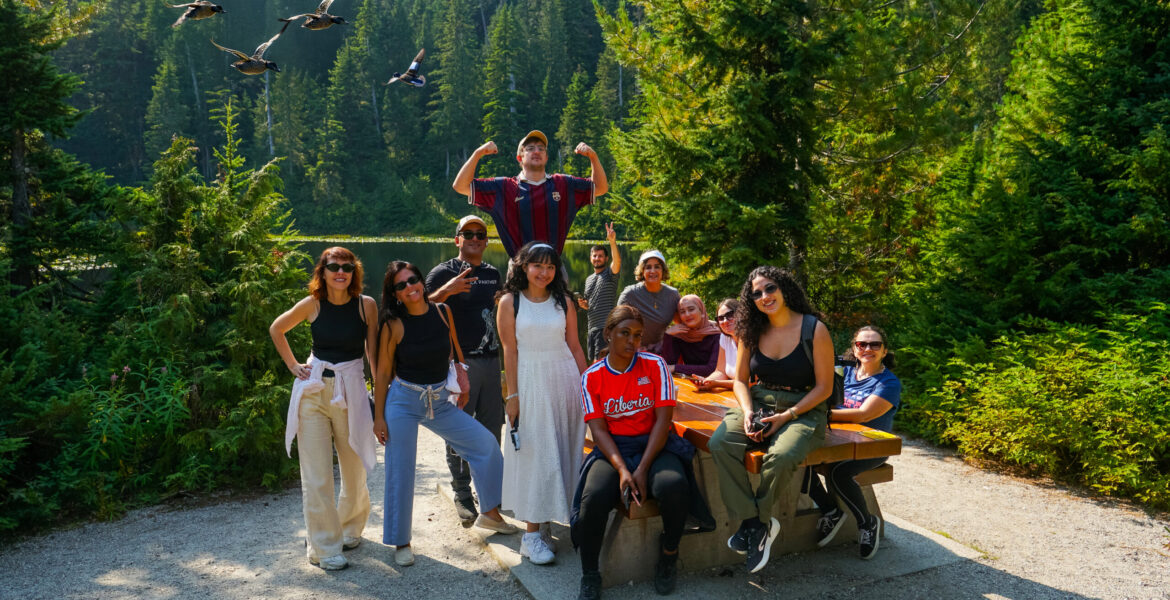
Travel is no longer just about sightseeing; it’s about connecting with people, understanding cultures, and gaining meaningful experiences. Cultural exchange programs provide travelers with opportunities to immerse themselves in different traditions, languages, and lifestyles while creating lasting memories. These programs are designed for students, young professionals, and avid travelers who want more than just a typical vacation.
This article explores the benefits, types, and tips for participating in cultural exchange programs, helping travelers broaden their horizons while fostering global understanding.
Why Cultural Exchange Programs Matter
Cultural exchange programs go beyond tourism. They allow participants to:
-
Immerse in local cultures: Learn customs, traditions, and daily life firsthand.
-
Develop language skills: Gain fluency or improve proficiency in a foreign language.
-
Build international networks: Form friendships and professional connections worldwide.
-
Promote global understanding: Encourage empathy, tolerance, and awareness of cultural diversity.
Participating in such programs helps travelers grow personally and professionally while creating meaningful cross-cultural connections.
Types of Cultural Exchange Programs
1. Student Exchange Programs
Students can spend a semester or academic year abroad, attending schools or universities in foreign countries. Programs include:
-
High school exchanges
-
University semester or summer programs
-
Scholarships for academic and cultural immersion
These experiences often combine classroom learning with community engagement.
2. Work and Volunteer Programs
Travelers can gain practical experience while contributing to local communities:
-
Teaching English or other subjects
-
Working in local businesses or startups
-
Participating in environmental or social service projects
Work-based programs provide a balance of cultural immersion and professional development.
3. Homestays
Living with a host family allows travelers to experience daily life authentically:
-
Share meals and participate in family traditions
-
Observe and practice local language and etiquette
-
Build personal connections with locals
Homestays are particularly effective for understanding cultural nuances and gaining insider perspectives.
4. Language Immersion Programs
These programs focus on language learning in real-life settings:
-
Attend language schools abroad
-
Engage in conversation with local speakers
-
Participate in cultural activities to reinforce language skills
Language immersion accelerates learning while allowing travelers to experience culture firsthand.
Benefits of Cultural Exchange Programs
| Benefit | Description |
|---|---|
| Cultural Awareness | Gain insights into local customs and traditions |
| Personal Growth | Develop confidence, independence, and adaptability |
| Professional Advantage | Improve resume with international experience |
| Language Skills | Enhance fluency in a foreign language |
| Lifelong Friendships | Build global networks and personal relationships |
Cultural exchange programs provide a well-rounded experience that combines education, travel, and personal development.
How to Choose the Right Program
-
Determine Your Goals: Are you looking to learn a language, volunteer, or gain academic credit?
-
Research Destinations: Consider safety, cultural diversity, and your personal interests.
-
Check Program Credibility: Ensure the program is reputable, with proper support for participants.
-
Budget Planning: Include travel, accommodation, and program fees in your planning.
-
Duration and Commitment: Short-term programs are ideal for casual travelers, while long-term exchanges suit those seeking deep immersion.
Selecting the right program ensures a fulfilling and memorable experience.
Tips for a Successful Cultural Exchange Experience
-
Be Open-Minded: Respect local customs, traditions, and beliefs.
-
Engage Actively: Participate in community activities and events.
-
Document Your Journey: Keep a journal or blog to reflect on your experiences.
-
Network: Build connections with fellow participants and locals.
-
Balance Exploration and Learning: Travel to local attractions but prioritize cultural engagement over sightseeing.
Cultural exchange programs can be deeply rewarding when travelers actively embrace new experiences.
Comparison Table: Popular Cultural Exchange Program Types
| Program Type | Duration | Ideal For | Key Benefit |
|---|---|---|---|
| Student Exchange | Semester/Year | High school/university students | Academic credit + cultural immersion |
| Volunteer/Work | Weeks/Months | Young professionals, gap-year travelers | Skill development + community impact |
| Homestay | Weeks/Months | Language learners, travelers | Authentic cultural experience |
| Language Immersion | Weeks/Months | Anyone seeking fluency | Accelerated language learning |
Each program type offers unique benefits depending on your goals, interests, and travel style.
FAQs
Do I need prior experience for cultural exchange programs?
No, most programs are open to beginners. Some may require basic language skills depending on the destination.
Are cultural exchange programs expensive?
Costs vary by program type, location, and duration. Scholarships and work-exchange opportunities can reduce expenses.
How safe are these programs for solo travelers?
Reputable programs provide support and guidance. Researching the destination and program thoroughly enhances safety.
Can I travel while on a cultural exchange program?
Yes, but the primary focus should be cultural immersion. Weekend trips or local excursions are usually allowed.
What is the most rewarding aspect of a cultural exchange program?
Building connections and understanding a new culture from a personal perspective is often the most enriching experience.
Conclusion
Cultural exchange programs offer travelers the chance to go beyond sightseeing and actively engage with diverse cultures. Whether through student exchanges, volunteer work, homestays, or language immersion, these programs foster personal growth, professional development, and global understanding.
While exploring famous landmarks or participating in iconic tours is enjoyable, combining these experiences with cultural immersion provides a more meaningful journey. From connecting with locals to learning new skills, cultural exchange programs make travel transformative. For those planning trips, integrating visits to breathtaking locations like the Best Sunrise and Sunset Viewpoints Worldwide can further enhance the experience, combining natural beauty with deep cultural understanding.