
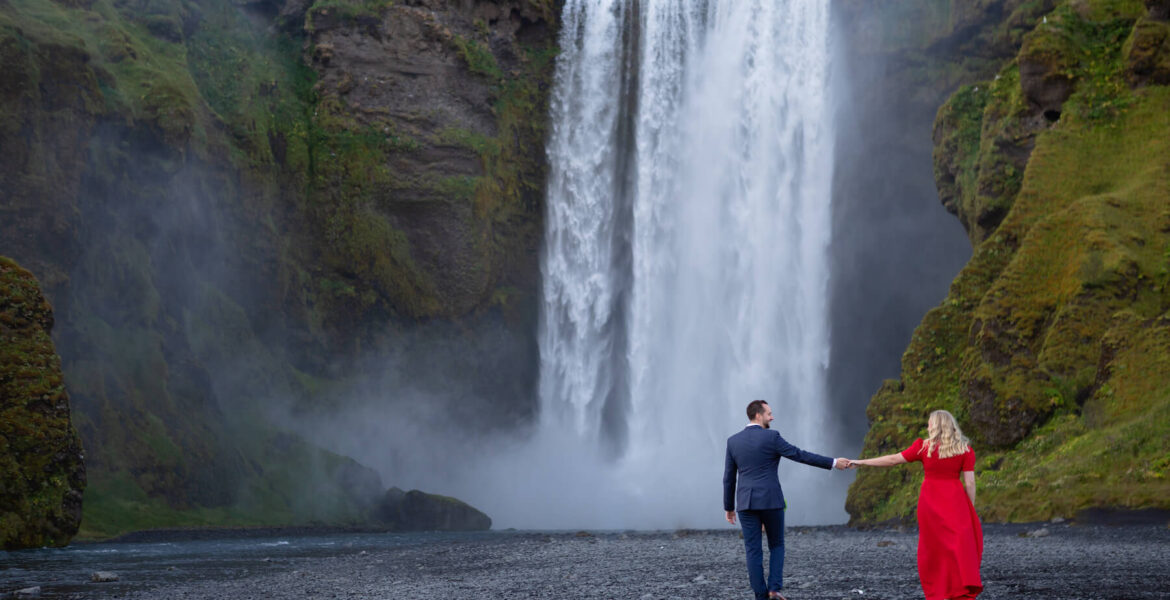
Iceland is one of the most photogenic countries in the world, attracting landscape photographers, travel bloggers, and content creators year-round. From dramatic waterfalls and volcanic landscapes to glaciers, black sand beaches, and the Northern Lights, Iceland offers endless visual opportunities in every season.
This guide explores the top photography hotspots in Iceland, what makes each location unique, and tips for capturing stunning images in one of the world’s most visually striking destinations.
Why Iceland Is a Dream Destination for Photographers
Iceland’s natural beauty is raw, diverse, and constantly changing. The country sits on the boundary of tectonic plates, creating a landscape shaped by fire and ice. Long daylight hours in summer and the aurora-filled skies of winter provide photographers with unique lighting conditions rarely found elsewhere.
Much like travelers who chase underwater beauty in Top Scuba Diving Destinations Worldwide, photographers are drawn to Iceland for its unmatched natural drama and once-in-a-lifetime shots.
Best Photography Hotspots in Iceland
1. Seljalandsfoss Waterfall
Seljalandsfoss is one of Iceland’s most iconic waterfalls and a favorite among photographers. What makes it special is the walking path that allows you to photograph the waterfall from behind.
Why it’s great for photography
-
Unique rear-view perspective
-
Beautiful sunset lighting
-
Accessible year-round
Best time to shoot: Golden hour or late evening in summer
2. Skógafoss Waterfall
Located along the South Coast, Skógafoss is massive, powerful, and often produces vibrant rainbows on sunny days.
Why it’s great for photography
-
Strong foreground composition
-
Consistent mist creates dynamic effects
-
Easily accessible
Best time to shoot: Morning for fewer crowds
3. Reynisfjara Black Sand Beach
Reynisfjara is famous for its black volcanic sand, basalt columns, and crashing Atlantic waves. It offers dramatic contrasts and moody tones ideal for landscape photography.
Why it’s great for photography
-
Unique textures and patterns
-
Dramatic seascapes
-
Striking rock formations
Best time to shoot: Overcast days or stormy weather
4. Jökulsárlón Glacier Lagoon
Jökulsárlón is a glacial lake filled with floating icebergs that drift toward the ocean. The constantly changing ice formations make every photo unique.
Why it’s great for photography
-
Blue ice contrasts
-
Reflections and long exposure opportunities
-
Wildlife photography potential
Best time to shoot: Sunrise or sunset
5. Diamond Beach
Located across from Jökulsárlón, Diamond Beach features ice chunks scattered across black sand, resembling glittering diamonds.
Why it’s great for photography
-
High contrast visuals
-
Close-up and wide-angle shots
-
Ever-changing compositions
Best time to shoot: Early morning for clean compositions
6. Kirkjufell Mountain
Often called the most photographed mountain in Iceland, Kirkjufell is known for its symmetrical shape and nearby waterfalls.
Why it’s great for photography
-
Classic postcard composition
-
Works well in all seasons
-
Northern Lights photography hotspot
Best time to shoot: Sunset or during aurora season
7. Vestrahorn Mountain
Vestrahorn offers dramatic peaks, reflective wet sand, and moody skies. It’s a favorite for fine art and cinematic photography.
Why it’s great for photography
-
Strong leading lines
-
Reflections in shallow water
-
Dramatic weather patterns
Best time to shoot: Sunrise with low tide
8. Þingvellir National Park
Þingvellir is historically and geologically significant, featuring rift valleys, lakes, and lava fields.
Why it’s great for photography
-
Unique geological formations
-
Cultural significance
-
Wide-angle landscape opportunities
Best time to shoot: Morning or autumn for color contrast
Comparison Table: Photography Hotspots in Iceland
| Location | Photography Style | Best Season | Key Feature |
|---|---|---|---|
| Seljalandsfoss | Waterfall | Summer | Walk-behind shots |
| Skógafoss | Waterfall | Spring–Summer | Rainbows and mist |
| Reynisfjara | Seascape | Year-round | Black sand & basalt |
| Jökulsárlón | Ice landscape | Winter | Floating icebergs |
| Diamond Beach | Abstract/Nature | Winter | Ice on black sand |
| Kirkjufell | Landscape | Year-round | Iconic mountain |
| Vestrahorn | Fine art | Autumn | Reflections & peaks |
| Þingvellir | Landscape | Autumn | Rift valley views |
Photography Tips for Iceland
-
Always check weather conditions before heading out
-
Use a sturdy tripod due to strong winds
-
Bring lens cloths to manage mist and rain
-
Shoot in RAW for better post-processing flexibility
-
Respect nature and stay on marked paths
Weather in Iceland changes rapidly, often creating dramatic skies that enhance photographs rather than ruin them.
Best Time of Year for Photography in Iceland
-
Summer (June–August): Midnight sun, lush landscapes, easier travel
-
Autumn (September–October): Fall colors and early Northern Lights
-
Winter (November–March): Ice caves, snow, aurora photography
-
Spring (April–May): Fewer crowds, melting ice, dynamic scenery
Each season offers unique photographic opportunities depending on your style and goals.
FAQs: Photography Hotspots in Iceland
Is Iceland good for beginner photographers?
Yes, many photography hotspots are easily accessible and offer stunning compositions without advanced technical skills.
Do I need special camera gear for Iceland?
A wide-angle lens, weather-sealed camera, tripod, and ND filters are highly recommended but not mandatory.
Is drone photography allowed in Iceland?
Drone use is restricted in many areas, especially national parks. Always check local regulations before flying.
Can I photograph the Northern Lights anywhere in Iceland?
Yes, but remote areas with minimal light pollution offer the best results, especially in winter.
Is Iceland crowded with photographers?
Popular locations can be busy during peak season, but early mornings and off-season travel help avoid crowds.
Conclusion
Iceland is a paradise for photographers, offering an extraordinary mix of waterfalls, glaciers, volcanic beaches, and dramatic skies. From iconic landmarks like Skógafoss and Kirkjufell to lesser-known gems such as Vestrahorn, the country provides endless inspiration for every photography style.
Whether you are a professional or an enthusiastic traveler with a camera, Iceland’s photography hotspots promise unforgettable visuals and once-in-a-lifetime moments behind the lens.