
Ramadan in Saudi Arabia is not experienced as a single, fixed moment. Instead, it unfolds gradually, shifting in tone and energy as the month progresses and culminating in the joyful celebrations of Eid al-Fitr. For travelers, this evolution offers a rare opportunity to experience two complementary cultural atmospheres within one journey—quiet reflection followed by shared celebration.
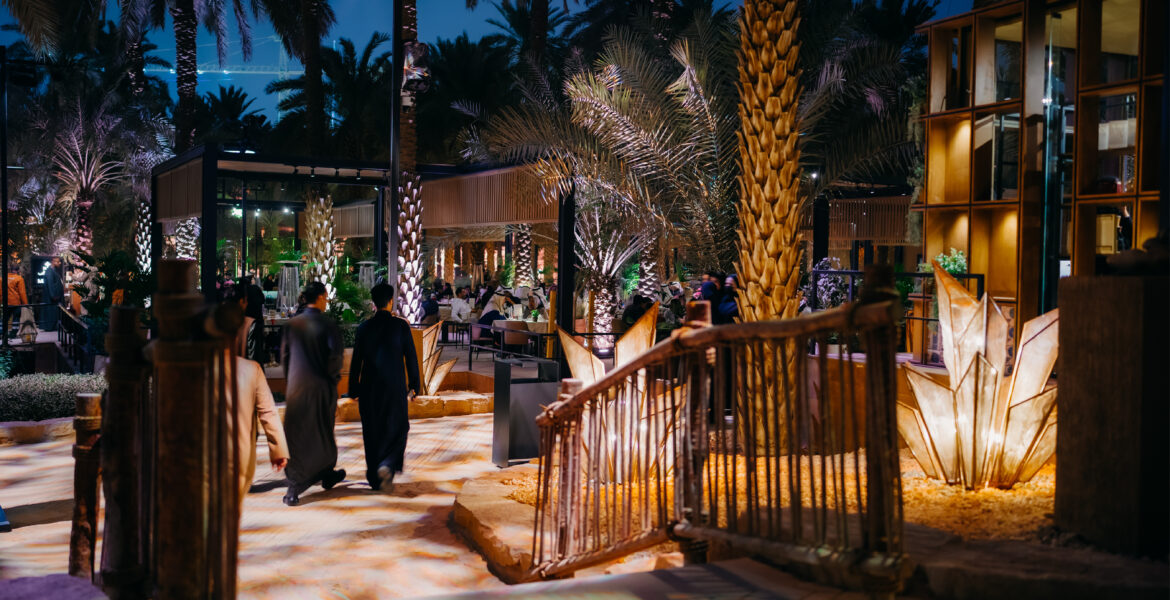
Throughout Ramadan, the country moves at a gentler pace. Days are calm and introspective, while evenings bring families and communities together. As the final days of the holy month approach, however, a subtle transformation begins. The mood lifts. Nights feel lighter, anticipation grows, and preparations for Eid become visible everywhere—from shop windows to home entrances. This transition marks a shift from inward reflection to outward joy.
For visitors, this change is deeply immersive. Travel increases as families reunite, domestic tourism rises, and cities prepare for celebration. Markets extend their hours, public spaces grow livelier, and conversations take on a festive tone. The sense of togetherness that defines Ramadan expands into something more animated, yet still rooted in tradition and connection.
Many travelers choose this moment to explore different parts of the country. Some head west, drawn to the Red Sea coast, where cooler breezes and open waterfronts offer a relaxed setting for Eid. Coastal destinations combine festive gatherings with easy days by the water, creating an atmosphere that feels celebratory without being overwhelming. Here, Eid is marked by shared meals, evening walks along the marina, and a sense of collective enjoyment shaped by the sea.
Others extend their stay inland, choosing heritage-rich destinations such as AlUla. In AlUla, Eid takes on a quieter, more reflective character. Surrounded by ancient landscapes and dramatic rock formations, visitors experience celebration through exploration, nature, and cultural discovery. The contrast between the stillness of the landscape and the joy of Eid creates a powerful sense of balance, making it an ideal setting for travelers seeking meaning as well as beauty.
Eid itself is a time of openness. Homes welcome guests, streets fill with movement, and traditional greetings are exchanged freely. Markets overflow with color, sweets, and gifts, while public spaces become gathering points for families and friends. For tourists, the experience feels inclusive and warm, offering insight into Saudi hospitality at its most generous.
What makes this transition so compelling is its emotional arc. Ramadan invites visitors to slow down, observe, and reflect. Eid then encourages participation, celebration, and connection. Together, they form a complete cultural journey—one that feels layered, human, and deeply memorable.
From the quiet nights of Ramadan to the joyful energy of Eid, Saudi Arabia offers travelers more than a visit. It offers a season—one that unfolds with intention, transforms with grace, and lingers long after the journey ends.