
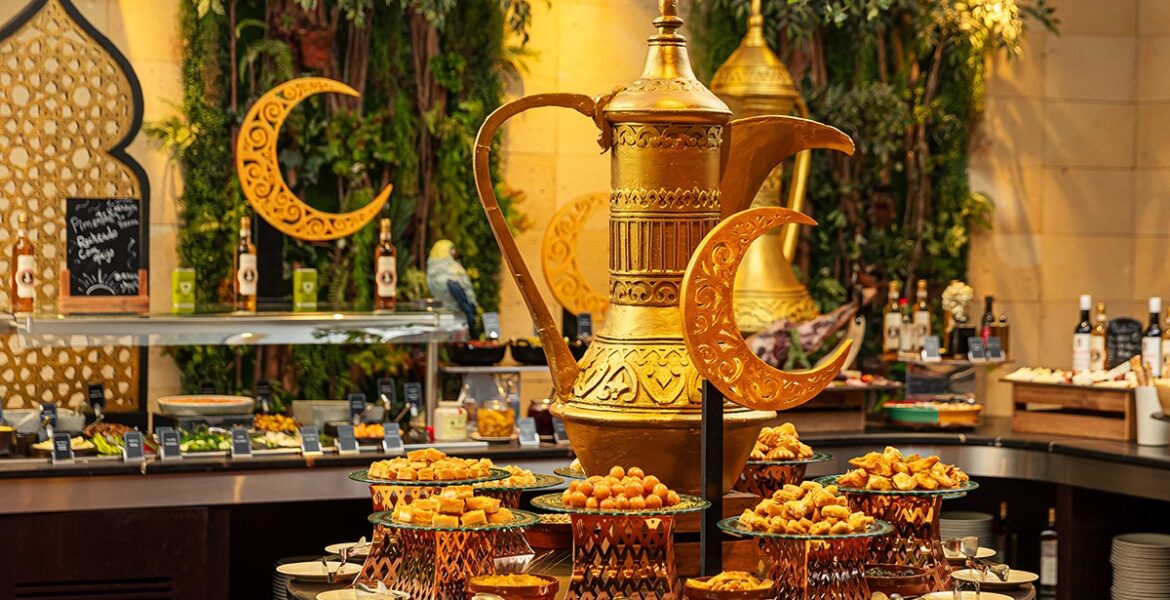
For travelers seeking depth, meaning, and cultural authenticity, experiencing Ramadan in Saudi Arabia offers a perspective that reaches far beyond traditional sightseeing. This is a time when the Kingdom softens its pace, opens its public spaces, and invites visitors to witness one of the most spiritually significant periods in the Islamic calendar as it is genuinely lived.
Saudi Arabia welcomes US and international tourists during Ramadan with warmth and quiet generosity. While daytime hours are noticeably calmer, evenings unfold into something deeply memorable. Ramadan is shaped by devotion, reflection, and charity, values that influence everything from daily schedules to social interactions. Visitors often remark on the sense of calm that settles over cities during the day, creating space for thoughtful exploration and observation.
Celebrating Ramadan as a tourist begins with understanding its rhythm. Days are gentle and contemplative, making them ideal for visiting museums, heritage districts, mosques, and architectural landmarks at an unhurried pace. Many restaurants close during fasting hours, but hotels and key tourist areas remain well prepared to accommodate visitors. This balance allows travelers to feel comfortable while remaining respectful of local customs.
As sunset approaches, anticipation builds. The call to prayer marking the end of the fast brings cities to a brief, shared pause. This moment—known as iftar—signals the start of the evening’s social life. Streets brighten, restaurants fill, and families gather. For visitors, this is when Ramadan becomes truly immersive. Tourists are encouraged to join hotel iftars, dine at local restaurants, or even accept invitations to community tables that appear across neighborhoods.
Participation does not require prior knowledge or formal invitation. Saudi hospitality during Ramadan is instinctive. A shared meal, a cup of Arabic coffee, or a simple exchange of greetings often opens the door to meaningful connection. These moments offer travelers insight into how community and faith intersect in everyday life.
Generosity is a defining feature of Ramadan in Saudi Arabia. Charity initiatives, food distribution points, and communal gatherings are visible throughout cities, reflecting how spiritual values translate into action. Visitors frequently encounter these efforts organically, whether by observing volunteers at work or being included in a shared meal. Such experiences reveal Ramadan not as a private observance, but as a collective expression of care and responsibility.
For tourists, celebrating Ramadan is not about performing rituals, but about presence and respect. Dressing modestly, being mindful during fasting hours, and embracing the slower daytime pace allow visitors to engage naturally with their surroundings. Evenings, by contrast, invite participation—through dining, conversation, and simply being part of the nightly flow.
To celebrate Ramadan as a tourist in Saudi Arabia is to step into a living tradition. It is an experience that reveals the Kingdom’s values, hospitality, and sense of community at their most sincere, leaving travelers with not just memories, but a deeper understanding of the culture they have shared.